Can I Build a Media Wall Myself?
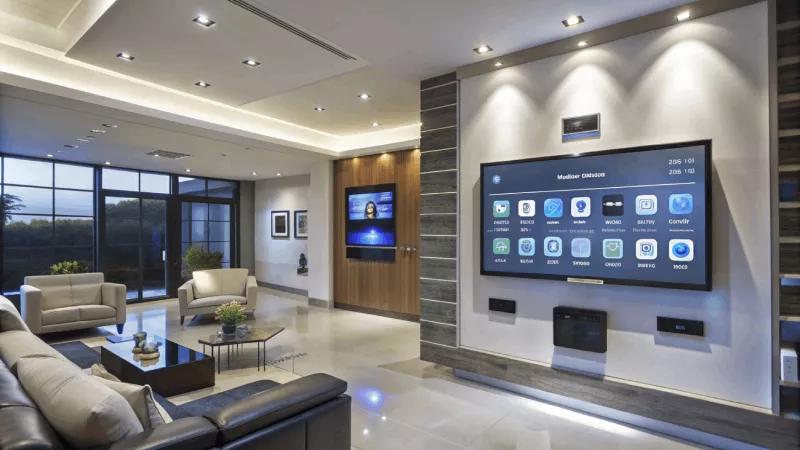
A media wall is a special wall that holds your TV and other gadgets. It can make your living room look really cool. But, can you build a media wall yourself? Yes, you can! It's like building with LEGO bricks but for grown-ups. You need to follow some steps and use the right tools.
Many people in the UK are trying to build their own media walls. It's cheaper than hiring someone to do it. Plus, you get to say, "I built this!" There are flat pack media walls that make it easier. These kits come with everything you need, just like IKEA furniture.
Building a media wall might take some time and effort. If you have never done this before, it might be a bit tricky. But don't worry! There are lots of guides and videos online to help you.
Key Factors to Plan Your DIY Media Wall
If you want to build a media wall yourself, planning is a crucial part of the process. Proper preparation ensures your project runs smoothly and gives you the best results. Here are some key factors to consider before starting:
Skills and Experience
Start by evaluating your skills and experience with DIY projects. Have you worked with tools like drills and saws before? If not, building a media wall could be challenging, especially for beginners. Consider starting with smaller DIY projects to build your confidence. Watching tutorials or reading guides online can also help you gain the knowledge you need to tackle a media wall project successfully.
Space and Measurements
Carefully plan where you want your media wall to go. Measure the space thoroughly, ensuring there’s enough room for your TV, gadgets, and any additional features like shelves or cabinets. Check for obstructions like sockets, windows, or radiators that might interfere with your design. Proper measurements help avoid costly mistakes and ensure your media wall fits perfectly in the intended space.
Budget and Materials
Budgeting is another critical step in planning your media wall. Determine how much you’re willing to spend and make a list of the materials you’ll need, such as wood, screws, brackets, and paint. Look for affordable but durable materials to keep costs down. Remember to account for additional expenses like tools, safety gear, or optional features like LED lighting. A clear budget will help you stay on track and prevent overspending.
Need assistance finding media walls near you?
Get a QuoteWhat Tools Do I Need to Build a Media Wall?
To build a media wall yourself, you will need the right tools to ensure everything is constructed safely and looks professional. Using the proper tools also makes the process smoother and more efficient. Here are the essential tools you’ll need:
- Drill: Essential for making holes to mount the TV, secure shelves, or attach the frame to the wall. A cordless drill is particularly handy, and having different drill bits for wood, plaster, and metal is useful.
- Screwdriver: Useful for assembling parts that require finer adjustments. While a drill can handle screws quickly, a manual screwdriver is helpful for small or delicate tasks.
- Saw: Needed to cut wood or MDF panels. A hand saw works for small cuts, but a jigsaw or circular saw is ideal for larger or more precise cuts, ensuring clean edges.
- Tape Measure: Critical for taking accurate measurements of your space and materials. This ensures your media wall fits perfectly and avoids costly mistakes.
- Spirit Level: Ensures that your TV, shelves, and other elements are perfectly straight and aligned, giving your media wall a professional look.
Having these tools ready before starting your project will make the process easier, safer, and more efficient, helping you achieve a polished final result.
Common DIY Media Wall Problems to Look Out For
Building a media wall yourself can be rewarding, but it’s not without challenges. One common issue is poorly mounted TVs, which can look crooked and ruin the overall design. Using a spirit level and securing the mount to wall studs ensures stability and proper alignment. Another frequent problem is messy cable management. Media walls are meant to look sleek, but visible or tangled wires can spoil the look. Planning for hidden compartments or cable channels is essential to keep everything neat and organised.
Incorrect measurements are another challenge that can lead to shelves or components not fitting properly. Always double-check your measurements and account for the size of your TV, speakers, and other devices. Additionally, weak or unstable frames are a safety risk, especially if they aren’t anchored securely to wall studs. Using durable materials like MDF or plywood helps prevent this issue.
Lastly, uneven finishes, such as visible gaps or rough paint, can make the wall look unprofessional. Taking the time to sand surfaces, fill gaps, and apply high-quality paint will give your media wall a polished appearance. By planning carefully and addressing these potential problems, you can build a media wall that’s both functional and visually appealing.
Professional Media Wall Installation
When deciding between a DIY or professional media wall installation, it’s important to weigh the pros and cons of each approach. Both options have their benefits, and the best choice depends on your skills, budget, and project requirements.
DIY Media Wall Installation
Benefits
DIY installation can save you money by cutting out labour costs. It also gives you full creative control, allowing you to customise the design to your preferences. For those who enjoy hands-on projects, building a media wall can be a satisfying experience.
Drawbacks
However, DIY projects require time, tools, and a certain level of skill. Mistakes like incorrect measurements or poor cable management can lead to costly fixes. Tasks like wiring or securing the frame may also be challenging for beginners, making the project more time-consuming.
Professional Media Wall Installation
Benefits
Hiring a professional ensures a polished, high-quality finish. They have the experience and tools needed to handle complex elements like wiring and heavy TV mounts efficiently. Professionals also complete the project faster, saving you time and reducing stress.
Drawbacks
The main downside is cost, as labour fees can significantly increase the price. You’ll also need to invest time in finding a reliable professional and may have less flexibility to make design changes during the process.
Choosing between DIY and professional installation depends on your confidence with tools, the complexity of the design, and your budget. DIY is cost-effective but requires effort, while hiring a professional offers convenience and expertise.
In this article: