
Converting a Basement to a Bedroom
Many homeowners wonder whether an existing basement or existing cellar can be transformed into a comfortable and safe bedroom. The answer is yes, but a successful basement conversion requires careful planning, compliance with building regulations, and professional advice. This basement conversion guide explores the key considerations, costs, and ideas for creating a safe and stylish basement bedroom.
Are Basement Bedrooms Safe?
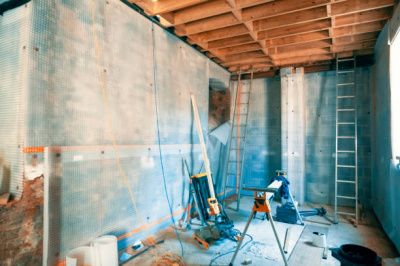
Turning a cellar or subterranean space into a bedroom involves addressing several safety concerns. A damp basement can quickly become mouldy and unhealthy, so proper damp proofing, waterproofing, and drainage are crucial. The basement requires the ability to withstand external water pressure, which may involve installing cavity drain membranes, tanking systems, or a pumping system to control moisture and prevent flooding. Proper ventilation and fresh air circulation also play a vital role in creating habitable space that complies with building regulations approval.
Do Basement Bedrooms Need Windows?
In most cases, a basement bedroom must have windows or another form of light sources. Natural light is essential for comfort and health, while external openings provide fresh air and fire safety. Installing a window may involve structural work, lowering the floor level, or cutting into walls. In conservation areas or where planning permission is needed, always check with your local authority. In some designs, a lightwell or external access point can also help enhance brightness in an otherwise dark space.
How Much Does a Basement Bedroom Cost?
The basement conversion cost depends on the size, design, and complexity of the project. On average, expect to pay per square metre, with prices affected by excavation, underpinning, and structural work. A finished basement may range from modest extensions costing less than a loft conversion, to more extensive basement extensions involving a new basement space. Be mindful that some projects incur extra costs, such as meeting minimum ceiling height or altering the floor level to achieve more headroom. Additional costs also cover plumbing, electrics, insulation, and underfloor heating.
Need assistance finding cellar & basement conversion near you?
Get a QuotePlanning Permission and Regulations
Whether you need planning permission depends on your existing house and the extent of changes. Converting an existing cellar often falls under permitted development, but if you are building a new basement, adding a basement storey, or live in a conservation area, you may require planning permission. Always consult your local authority to avoid mistakes. Building regulations are equally important, covering fire safety, separate fire resistant structure for inner room layouts, ventilation, insulation, and ensuring the basement can withstand external water pressure. A building inspector will check that the work complies with all required standards.
Designing a Basement Bedroom
A well-designed basement bedroom can serve as additional living space, office space, a home gym, or a guest suite. Basement bedroom ideas include adding a cosy reading nook, built-in storage, or creative furniture choices. To achieve a warm and welcoming environment, consider flooring options like rugs, laminates, or carpets, and incorporate lighting such as lamps or wall-mounted lights to counteract the dark feel. Adding insulation helps reduce heat loss and makes the living space more energy efficient.
Basement Conversion Process
The process of converting involves applying for approvals, addressing damp issues, and ensuring proper ventilation. Specialist basement contractors can advise on waterproofing, drainage, and excavation using a mechanical digger. The work may include underpinning foundations, lowering the floor, and adding insulation. In most cases, it is wise to hire a professional company, as the task can be complex and affected by soil conditions, neighbours, and structural limitations. Basement extensions are a great option when compared to sacrificing valuable above ground space.
Legal and Practical Considerations
A party wall agreement is often needed if the adjoining property is affected. A party wall notice will inform neighbours of planned alterations. A detached house may avoid some of these requirements. Planning permission and building regulations compliance are crucial, and ignoring them could lead to costly issues later. Always consult with your local authority before beginning work. Keep in mind that a well-planned cellar conversion can significantly increase the value of your property and appeal to potential buyers.
Creating a Comfortable Living Space
To create a bright, comfortable, and functional bedroom, focus on ventilation, light, and heating. Underfloor heating or a radiator can keep the room warm. Ensure proper ventilation with vents or a dehumidifier to keep the room dry and freeing it from mould. Flooring options and furniture layout can add both style and functionality. With imagination and careful planning, you can transform a cellar into a safe, stylish, and practical extra bedroom.
Can You Convert a Basement to a Bedroom - Final Thoughts
Converting an existing cellar or basement into a bedroom makes sense for homeowners seeking extra space, an extra room, or even an office space. It is often more cost effective than moving house or larger extensions, and it avoids using up valuable above ground space. While the conversion process can be challenging and may incur extra costs, the benefits of additional space, improved living standards, and added property value are clear. Always consult a professional, comply with all regulations, and take careful steps to ensure safety and comfort.
In this article: