How Much Does The Average Driveway Cost?
A new driveway is one of the most effective ways to boost your home’s kerb appeal, improve functionality, and create a practical parking space for your cars. But before starting your driveway project, it’s essential to understand the factors that influence driveway costs. From materials like gravel, tarmac, and concrete to the labour costs and installation process, the cost of a new driveway can vary depending on the driveway size, design complexity, and any additional features such as edging, drainage, or gates. Knowing the potential average driveway cost and the cheapest driveway options available will help you make an informed decision and budget with confidence.
Calculating the Average Driveway Cost
Getting a new driveway for your home is an exciting project, but determining the overall cost can seem overwhelming. The average driveway cost will depend on several factors such as driveway size, driveway materials, site accessibility, and drainage requirements. The installation process and labour costs are also key main factors that will influence driveway costs.
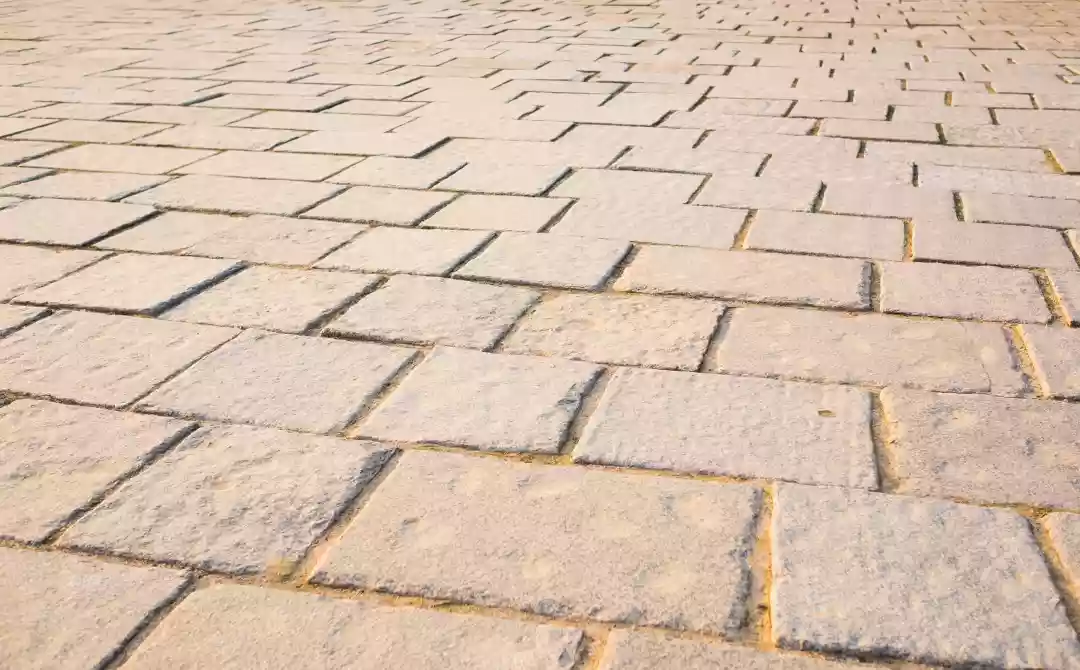
The cost of a new driveway can range widely. In the UK, many homeowners can expect to pay anywhere from £5,000 to £30,000 depending on the surface area, location, and design complexity. For example, a block paving driveway for a single garage with a paved area could cost around £2,340 per square metre when material and labour costs are included. A resin bound driveway on a slope may cost over £10,000, particularly if site preparation and proper drainage are required.
Other driveway types include gravel drives, tarmac drives, and concrete driveways, each with a different average price. The final cost will also depend on whether it is a replacement driveway, a new driveway installation, or improvements to an existing driveway. Driveway contractors recommend obtaining multiple quotes from driveway specialists to get an accurate idea of how much your dream driveway may cost.
What Are The Additional Costs Of A Driveway?
When calculating the project's total cost, it’s important to account for additional costs that go beyond the materials used. These may include preparation costs, skip hire, excavation, sub base installation, edging, and any planning permission from your local planning authority or local council.
Additional features such as driveway gates, lighting, or landscaping can also raise the total price. Hidden costs like transporting heavy machinery to a site with limited access, or removing an existing drive, can increase expenses. In some cases, building regulations and local regulations may require drainage channels, weed barriers, or permeable materials to comply with environmental rules.
On average, installation costs for these extras range between £1,500 and £3,500, but this will vary depending on the type of driveway and other factors. Working with a reputable contractor who provides a clear breakdown of material cost and labour time can help you make an informed decision and save money in the long run.
Need assistance finding driveway paving & driveway contractors near you?
Get a QuoteWhat Is The Cheapest Type Of Driveway?
If you are looking for the cheapest driveway option, a gravel driveway is often considered the most cost effective option. A gravel driveway cost can start from as little as £7 - £12 per square metre, making it one of the cheapest options available. It is also relatively easy to install on a DIY basis, although regular maintenance is needed to prevent weed growth.
Another affordable choice is tarmac driveways, with a tarmac driveway cost averaging £30 - £50 per square metre. Tarmac is a cost effective and hard wearing surface that is easy to install compared to more complex driveway types such as stamped concrete or natural stone.
While a concrete driveway is more expensive, it offers durability and a low maintenance nature. A concrete block paving option provides both strength and aesthetic appeal, though concrete driveway costs can be higher. Resin driveways, including resin bound varieties, offer a sleek, low maintenance look with less weed growth and good longevity, but the resin driveway cost is typically higher.
Ultimately, the type of driveway you choose should balance budget, maintenance requirements, and aesthetic appeal to achieve your dream driveway.
How Much Does It Cost To Remove An Existing Driveway?
The cost of removing an existing driveway depends on the materials used, the surface area, and whether it’s a gravel driveway, tarmac driveway, or concrete driveway installation that needs to be replaced.
For instance, removing a small gravel drive may cost around £300, while a large asphalt driveway or concrete driveway could exceed £1,000. Costs typically cover excavating, removal, and disposal of the old surface, as well as preparing the ground with a sub base for a new drive.
Driveway installers often advise considering future costs such as driveway maintenance costs, repairs, and long term costs when budgeting. Proper site preparation with a wacker plate, compacted base layers, and drainage requirements will help ensure longevity of your new driveway.
How Long Does It Take To Install A Driveway?
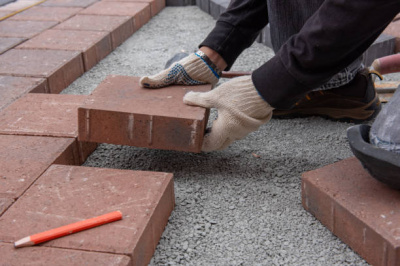
The installation process and timeframe for a new driveway installation will vary depending on the complexity of the design, the driveway size, and the materials chosen. A simple paved driveway or gravel driveway may take 3–4 days to complete, while more complex jobs such as intricate designs with concrete blocks or natural stone paving can take up to a week.
Driveway contractors use skilled labour and high quality materials to ensure the longevity of your car driveway. Professional installation may be more expensive, but it reduces the risk of future costs due to poor workmanship. Obtaining multiple quotes helps you compare installation costs, material choice, and extra features like driveway gates or drainage channels.
In conclusion, the cost of a new driveway will depend on various factors such as the type of driveway, materials used, and the extent of the installation process. The final cost should include preparation costs, labour costs, and any additional costs for extra features. With the right planning, proper drainage, and a reputable contractor, you can create a driveway worth the investment that improves your home’s kerb appeal, value, and aesthetic appeal.
In this article: