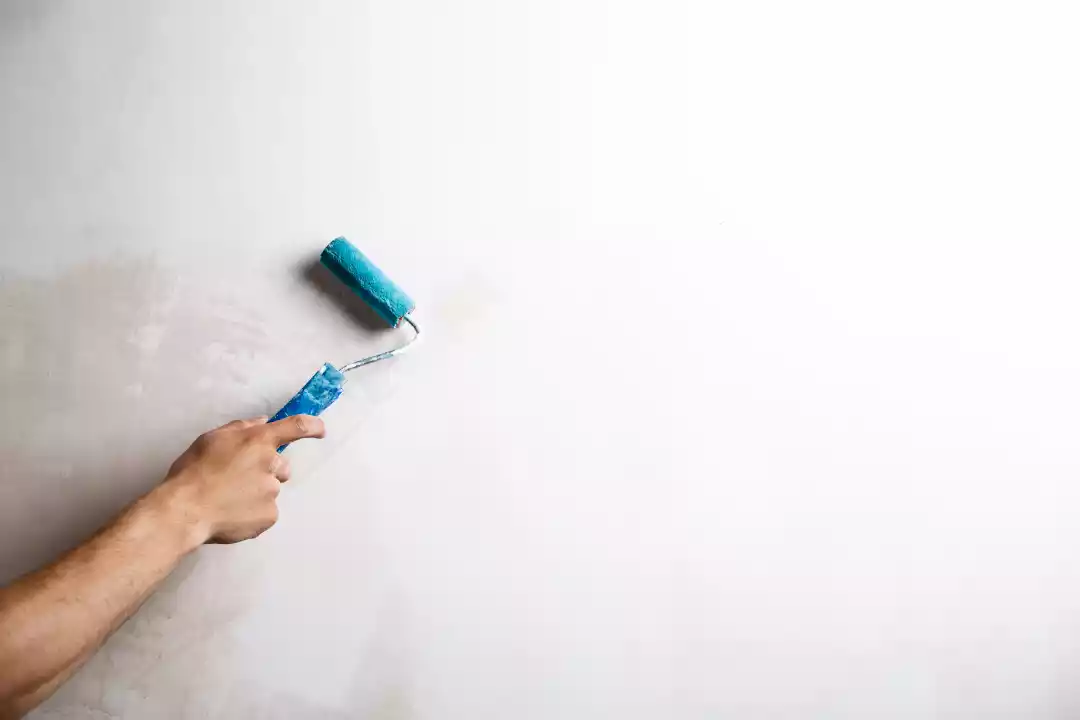
Preparing Your Home For A Professional Paint Job
Preparing your home for a professional paint job is one of the most important steps in any decorating project. Proper preparation helps paint adhere properly, reduces the risk of premature peeling, and supports a smooth, durable finish that can withstand daily wear, moisture, and temperature changes. Whether you are updating a single room, repainting your home's interior, or planning exterior house painting, the prep work you do before the painter arrives can save time, reduce cost, and help create a high quality finish.
Many UK homeowners focus on choosing the right colour, paint brands, or finish, but preparation work is just as crucial. A professional painter or decorator can provide excellent results, but the house needs to be ready before the painting process begins. This guide shares essential tips to help you prepare your home, protect your items, and ensure the job runs in an efficient process from beginning to end.
Do Painters Clean Walls Before Painting?
It is vital that interior walls are cleaned before any paint is applied. Dirt, dust, grease, stains, grime, cobwebs, and other contaminants can hinder paint adhesion and affect the way paint adheres to the surfaces. Cleaning helps remove dirt and gives the new paint a better bond, which is key to achieving a longer lasting finish.
Professional painters will typically use warm soapy water, mild detergent, or sugar soap to wash walls before house painting. A damp cloth can be used to wipe marks, while tougher stains may need a suitable cleaning solution. In kitchens and a bathroom, grease, moisture, mould, and soap marks are a common concern, so these areas often need extra care. Once washed, the walls must dry completely before any primer, sealer, or new coat is applied.
Do Painters Sand Walls Before Painting?
After cleaning, many walls need to be lightly sanded. Sand helps smooth rough areas, glossy patches, dried paint, dents, and small imperfections, allowing the paint to adhere more evenly. A painter will usually inspect the walls first and then use sandpaper that is suitable for the surface. Using sandpaper that is too rough can cause damage, so it is best to avoid heavy sanding unless it is needed for damaged surfaces.
Once sanding is complete, it is important to remove dust with a vacuum and then wipe the surface with a clean cloth. Any dust left behind can prevent paint from sticking and may show through the freshly painted surface. This simple step helps ensure a professional finish and better coverage when one coat, two coats, or multiple coats are applied.
Repair Cracks, Holes, And Damaged Surfaces
Before painting starts, you should repair cracks, holes, peeling paint, flaking areas, and any damaged surfaces. Filling cracks and small holes with a suitable filler or spackle helps create a smooth surface. Once the filler is fully dry, sand the patch until it sits level with the wall. This helps prevent uneven marks showing through the topcoat.
Loose paint should be scraped away before repainting, especially if there is peeling or blistering. If you skip this step, the new paint may not adhere properly, and the finish may fail sooner than expected. Bare areas may need primer to seal the surface and improve adhesion. Where stains are present, a stain-blocking sealer may stop bleeding through the new paint.
What Do Professional Painters Paint First?
Painting a room requires a clear plan because the order of work can affect the final result. Generally, professional painters start with the ceiling, then move to walls, followed by trim, skirting boards, baseboards, doors, and window frames. This method helps catch paint drips early and makes touch ups easier.
Painter's tape is often used along edges, corners, outlets, switch plates, window frames, and trim to create a neat line. Good tape helps prevent paint from seeping onto other surfaces, but it must be pressed down securely. The last thing anyone wants is accidental paint splatters or uneven edges on a freshly painted surface.
Should You Move Furniture For Painters?
Moving furniture is one of the most helpful things you can do before a paint job. If possible, remove furniture from the room and store it somewhere safe. This gives the painter better access to the walls and allows them to work more quickly. It also reduces the risk of damage, paint splatters, spills, and paint drips.
If heavy furniture, a bed, or other large stuff cannot be moved out, push it into the middle or centre of the room and cover it with protective sheets, drop cloths, plastic sheeting, or other protective coverings. Lay protective sheets across floors, carpet, and polished surfaces. A protective barrier helps prevent damage and keeps your home tidy during the work.
Need assistance finding painters and decorators near you?
Get a QuoteRemove Wall Decorations And Fixtures
Before the team arrives, remove wall hangings, pictures, art, mirrors, clocks, and other wall decorations. This gives the painter a clear space to work and helps avoid broken items. Store decorations safely away from the work area so they stay free from dust and paint.
You should also remove outlet covers, switch plates, and light fixtures where safe to do so. If a fixture cannot be removed, it can be covered with plastic and secured with tape. These small details help create a cleaner finish around edges and fittings.
How To Prepare For Exterior Painting
External painting needs extra preparation because the house exterior is exposed to weather, rain, wind, frost, heat, cold, and humidity levels. Before exterior work begins, inspect the exterior surfaces for loose paint, peeling, moisture damage, cracks, damaged wood, and areas where water may seep in. Wooden surfaces, fences, doors, windows, and trim should be in good condition before new paint is applied.
For exterior house painting, contractors may use a pressure washer to remove dirt, debris, cobwebs, and flaking paint. After washing, the exterior must be allowed to dry evenly and fully dry before primer or paint is applied. This is especially important in London and other areas where weather can change quickly. Avoid painting during heavy rain, frost, very hot weather, or strong wind, as these factors can affect drying time and paint adhesion.
If your property is a listed building, check whether there are rules about colour, materials, or techniques before work starts. Some homes need specialist products that are breathable, durable, or moisture resistant. A professional decorator can help you understand what is suitable and what to expect.
Protect Floors, Carpets, And Other Surfaces
Before the paint job starts, make sure floors, carpet, skirting boards, furniture, and other surfaces are covered. Use drop cloths, protective coverings, plastic sheeting, or protective sheets to protect areas that will not be painted. Covering floors well helps prevent paint spills and makes cleanup much easier.
Pay close attention to corners, edges, and areas near doors and windows. Paint can travel further than people expect, especially when ladders, tools, or materials are moved around the room. Good protection helps maintain a neat space and reduces the risk of potential damage.
Think About Air, Temperature, And Drying Time
Proper ventilation is important for interior painting. Open windows when suitable, use fans if recommended, and allow air to move through the space. This helps paint dry evenly and can make the room more comfortable while work is being completed.
Temperature and humidity levels can affect drying time, cure time, and the final finish. Paint may dry too slowly in cold or damp conditions and too quickly in very hot conditions. A professional painter will usually advise the best conditions for applying each coat. Following this advice helps ensure a durable finish with fewer issues later.
Use Primer Where Needed
Primer is not always needed, but it can be essential on bare plaster, bare wood, glossy surfaces, stained areas, repaired patches, and surfaces with mixed materials. Primer helps the paint adhere, improves coverage, and can enhance the depth of the final colour. It also helps create a more even base before the topcoat is applied.
In some cases, primer or sealer is needed to block stains, seal porous areas, or prevent moisture from affecting the finish. This step can be the difference between a quick update and a long lasting paint job.
Communicate Before The Work Starts
Before the painter or team arrives, communicate any concerns, questions, or special requests. Share details about areas that need repair, stains that keep returning, moisture issues, or parts of the home that need extra care. This helps the professional understand your expectations and plan the work properly.
It is also useful to confirm the quote, price, start day, access, parking, and which rooms or exterior areas are included. Ask whether you need to move furniture, remove decorations, or provide anything before the work begins. An honest conversation helps the job stay on track and reduces the chance of confusion.
Are Painters Supposed To Clean Up Afterwards?
When you hire a professional, they are generally expected to take care of cleanup once the job is complete. This may include removing tape, folding protective sheets, taking away materials, vacuuming dust, and leaving the space tidy. They should also ensure leftover paint is stored safely or disposed of in the correct way.
It is still helpful to ask what cleanup is included before you book. Some contractors may include full cleanup as standard, while others may focus only on their work area. Clear expectations help prevent problems and ensure the room is ready to use again once the paint is dry.
Final Checklist Before The Painter Arrives
A good preparation checklist can make the process much easier. Remove pictures, mirrors, clocks, wall decorations, and other items from the walls. Move furniture where possible, cover anything left in place, and clear access to the areas being painted. Make sure pets, children, and valuables are kept away from the work space.
Check that surfaces are clean, dry, and free from loose paint. Address cracks, holes, stains, mould, moisture damage, and flaking areas before the decorating work begins. Taking these steps helps the painter start on time and gives the project a better chance of being successful.
Why Preparation Matters
Proper preparation has many benefits. It helps paint stick, improves the finish, reduces touch ups, and supports longevity. It also helps professional painters work safely and quickly, which can save money and reduce disruption in your home.
Preparing house surfaces is not always the most exciting task, but it is one of the most important parts of achieving best results. When cleaning, sanding, filling, sealing, covering, and protecting are done correctly, the final finish looks smoother, lasts longer, and reflects the care taken at the beginning of the project.
Preparing For Professional Painting Work
Preparing your home for a professional paint job does not have to be difficult. With the right plan, good cleaning, careful repair work, and proper protection, you can help ensure a flawless finish that looks fresh for years. Whether you are painting one room, updating your interior, or improving your exterior, the effort you put in before the first coat of paint is applied will show in the final results.
For the best results, use the right tools, follow the recommended preparation steps, and work with a professional who understands the materials, surfaces, and conditions in your house. A well-prepared home makes it easier to apply paint neatly, prevent damage, and achieve a long lasting, durable finish you can be proud of.
In this article: