Why Clean Your Wheelie Bin?
A wheelie bin is where we put our rubbish. Over time, it can get very dirty and smelly. If you don't clean your wheelie bin, it can attract pests like flies, rats, and even foxes. These animals are looking for food and will make a big mess if they get into your bin.
Another reason to clean your wheelie bin is to stop bad smells. No one likes a stinky bin! The smell can spread around your house or garden, making it unpleasant to be outside.
Lastly, cleaning your wheelie bin helps to keep germs away. Rubbish bins are full of bacteria that can make you sick. By cleaning your bin regularly, you reduce the risk of spreading these germs. So, keeping your wheelie bin clean is not only good for the environment but also for your health.
What You’ll Need For Wheelie Bin Cleaning
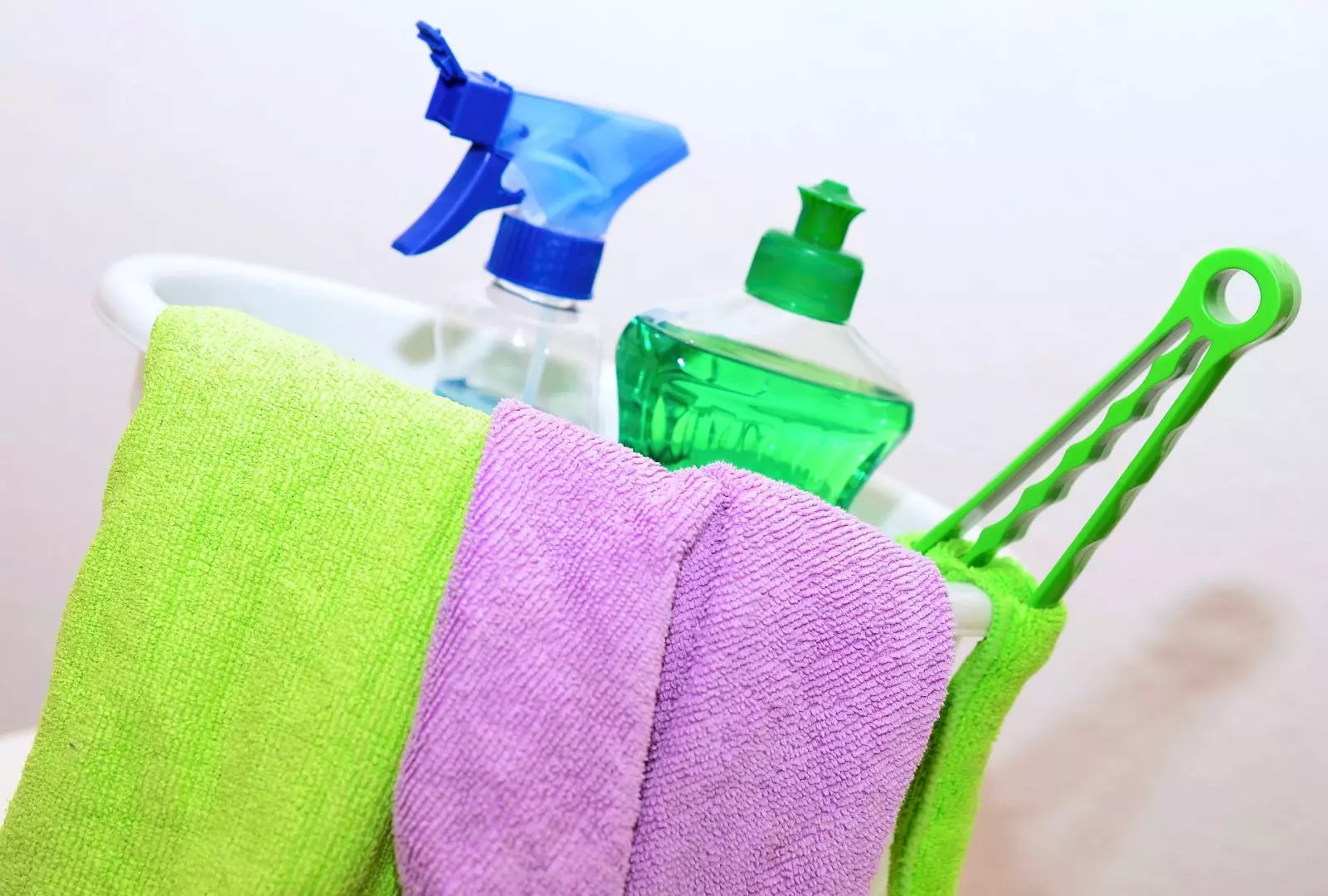
Before tackling the task of cleaning your wheelie bin, it’s important to gather all the necessary tools and supplies. Protective gloves are essential to keep your hands safe from dirt, bacteria, and harsh cleaning chemicals. Opt for durable, waterproof gloves to ensure maximum protection. A scrubbing brush with a long handle is another must-have. This tool allows you to reach deep into the bin and clean every corner without straining.
A reliable water source is crucial, and a water hose makes the job much easier by providing a steady flow to rinse out dirt and grime. Disinfectant or a specialised wheelie bin cleaner will help kill bacteria and eliminate bad odours. Baking soda is another helpful item, as it can neutralise lingering smells and keep your bin fresh. Additionally, having a sturdy bucket to carry water and cleaning solutions will keep your workspace organised and efficient.
Old cloths or sponges can be used for detailed scrubbing and wiping down the interior and exterior of the bin. These materials are perfect for handling smaller, hard-to-reach areas. It’s also important to be mindful of what you place in your bin. Hazardous materials such as batteries, paint cans, or mixed cleaning chemicals should never go into a wheelie bin, as they pose safety and environmental risks. Instead, dispose of these items at a designated recycling centre.
By preparing these tools and supplies beforehand, you’ll be able to clean your wheelie bin thoroughly and efficiently. Taking the time to do it right not only keeps your bin fresh but also helps maintain a cleaner and healthier environment for you and your household.

Need assistance finding wheelie bin cleaning near you?
Get a QuoteHow to Clean Your Wheelie Bin
To start cleaning your wheelie bin, ensure it is completely empty with no leftover rubbish inside. An empty bin makes it much easier to clean thoroughly and prevents any waste from getting stuck during the process. Once emptied, use a hose to rinse out any loose dirt or residue from the bottom and sides of the bin. A strong jet of water will help dislodge stubborn debris and prepare the bin for a deeper clean.
Next, add a disinfectant or specialised wheelie bin cleaner to the bin. Fill it with a few inches of water to allow the disinfectant to spread evenly across the base. Using a long-handled scrubbing brush, thoroughly scrub the inside of the bin, focusing on corners, the bottom, and any areas with visible stains or grime. The scrubbing action ensures that bacteria and bad odours are effectively tackled.
After scrubbing, rinse the bin again with clean water to remove any soap or disinfectant residue. Make sure all traces of dirt and cleaning products are washed away. Once rinsed, leave the bin to dry with the lid open. Allowing the bin to air dry completely is crucial, as trapped moisture can lead to mould and further unpleasant smells.
Keep Your Wheelie Bin Fresh
After giving your wheelie bin a thorough clean, it’s important to take a few extra steps to keep it fresh for as long as possible. One of the simplest ways to maintain a clean bin is to always use strong bin bags. Placing rubbish directly into the bin without a bag can cause spills, stains, and lingering odours that are difficult to remove. Double-bagging particularly smelly or wet waste can also help reduce unwanted smells.
Food waste is one of the main culprits for bad bin odours and pest problems. To minimise this, ensure food scraps are wrapped securely before being placed in the bin. This helps prevent liquids from leaking and reduces the chance of attracting pests like flies, rats, or foxes. Additionally, sprinkling baking soda at the bottom of your bin is a simple but effective trick. Baking soda absorbs moisture and neutralises unpleasant smells, keeping the bin fresher for longer.
Regular maintenance is key to keeping your bin in good condition. A quick rinse and disinfect every month can stop dirt and grime from building up. Always make sure the bin is completely dry after cleaning, as damp conditions can encourage mould and bacteria growth. By following these simple practices, you’ll ensure your wheelie bin stays clean, odour-free, and pest-free for much longer.
Avoid These Cleaning Mistakes
Cleaning your wheelie bin may seem straightforward, but there are common mistakes that can compromise the effectiveness of your efforts. One frequent error is using too much water. While it’s important to rinse your bin thoroughly, excessive water can make it difficult for the bin to dry properly. This damp environment can encourage mould and mildew growth, leading to unpleasant smells and unsanitary conditions.
Another mistake to avoid is mixing cleaning chemicals. Some people might think combining different products will give better results, but this is not only unnecessary, it can also be dangerous. Certain chemical combinations can release harmful fumes that may pose serious health risks. Always stick to a single cleaning product, such as disinfectant or a specialised wheelie bin cleaner, to ensure safety.
Skipping gloves during the cleaning process is another common oversight. Your wheelie bin is a hotspot for germs and bacteria, and handling it without proper protection can expose your skin to harmful substances. Always wear durable gloves to protect your hands from dirt, bacteria, and cleaning chemicals.
Failing to dry your bin completely after cleaning is also a mistake to avoid. Leaving your bin damp creates an ideal environment for bacteria to thrive, leading to unpleasant smells and hygiene issues. Make sure to leave the lid open or position the bin in a well-ventilated area to allow it to dry thoroughly.
Lastly, many people ignore small cracks or damage in their wheelie bin. Cracks can trap dirt, waste, and moisture, making it difficult to keep the bin clean and odour-free. Regularly inspect your bin for any signs of damage and address them promptly, whether by repair or replacement.
By steering clear of these common mistakes, you can ensure your wheelie bin remains clean, safe, and hygienic. A little attention to detail can go a long way in maintaining a fresh and pest-free bin, making the cleaning process much more effective.
In this article: