
Read our beginner’s guide to email marketing for small businesses. Discover how to efficiently gain customers and promote your services with a good email strategy.
Email marketing remains one of the most cost effective ways for small businesses in the UK to reach customers. It’s low cost, easy to measure, and you own the audience.
This beginner’s guide to email shows you practical steps, tools, and marketing strategies so you can get started today with confidence-and turn email marketing efforts into real sales and stronger customer relationships.
Think of this as your complete guide to email marketing for small business success, with tips that help you build customer loyalty and encourage repeat business.
What Is Email Marketing?
Email marketing means sending useful, relevant content to people who gave explicit consent to hear from you. Messages can be email newsletters, promotional emails, product updates, or how to guides that match the customer journey.
The goal is to build trust, bring people back to your website, and increase sales by speaking to customer preferences and customer behaviour. Done well, effective email marketing campaigns strengthen customer relationships, keep customers informed, and drive traffic back to your online store.
Why it works for UK small businesses
- Low cost. Email marketing is a marketing channel with a high ROI for small businesses-often delivering strong results even with limited resources.
- Direct communication. Emails land in customers inboxes, letting you speak directly to an engaged audience without paid advertising.
- Easy to track. You can monitor key metrics like open rates, click through rates, and conversion rate to guide future campaigns.
- Scales with you. Start small, refine, and scale as your customer base and subscriber list grows. Marketing for small teams becomes manageable with the right tools and automation.
The UK rules you need to know
If you email people in the UK, you must follow PECR and the UK GDPR (the UK’s version of the General Data Protection Regulation). Keep it simple:
- Get consent. Use clear website forms and double opt in.
- Keep records. Store customer data showing when and how each person opted in.
- Give a choice. Every message needs an unsubscribe link and clear call to action preferences.
- Be transparent. Say who you are and why you’re emailing.
- Mind other laws. The US CAN SPAM Act doesn’t apply in the UK, but its spirit-clear identification and easy opt-out-still helps deliverability.
If you sell to other businesses, consent rules can differ, but it’s still best practice to use opt ins and send highly relevant content to the right audience.
Getting Started In 7 Steps
Choose an email platform:
Look for user friendly email marketing tools with an easy editor, automation features, analytics dashboards, and UK-friendly data controls. Popular email marketing platforms include Mailchimp, Constant Contact, Campaign Monitor, and HubSpot. Each offers templates, segmentation tools, and email automation.
Create simple website forms:
Place sign ups on your homepage, blog post pages, and checkout. Ask only for what you need-often first name and email.
Use double opt-in:
After sign up, automatically send a confirm email to improve list quality and avoid overwhelming subscribers with unwanted messages.
Write welcome emails:
Your first campaign should set expectations, deliver helpful resources, and offer small incentives or exclusive content.
Plan your content:
Mix educational content, product usage tips, and promotions aligned to business goals and audience segments.
Set a steady rhythm:
Start small-send every two weeks-then increase if engagement metrics rise.
Measure and improve:
Track open rates, click throughs, and sales; run A/B tests (b testing) on subject lines and send times for continuous improvement.
Small Businesses Email Marketing Guide
Email marketing is a simple and affordable way for small businesses to reach customers. This guide will help you get started and grow with confidence.
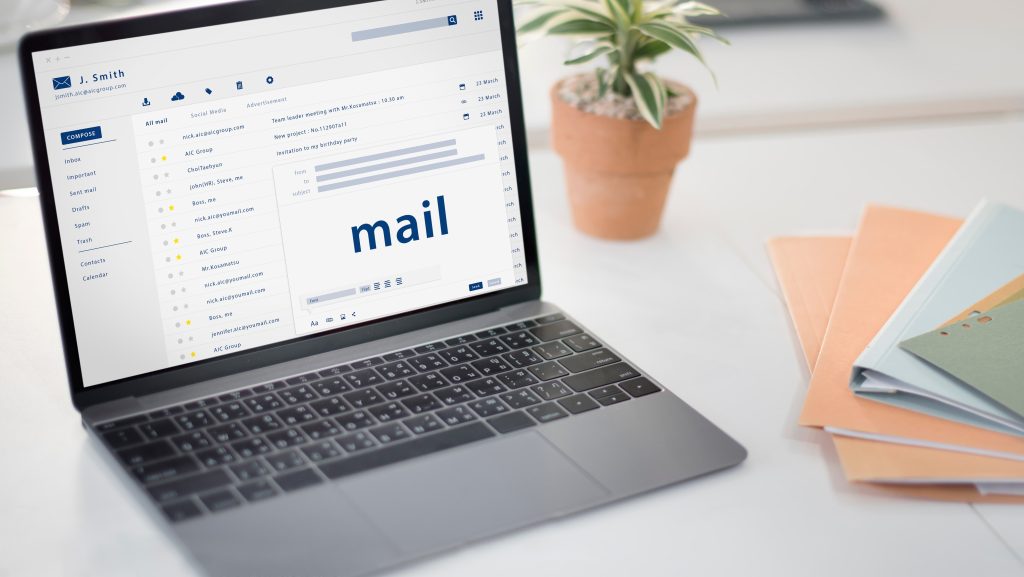
You will learn how to build a quality mailing list, write clear subject lines, and create emails people want to read.
We will show you how often to send messages, how to measure results, and how to stay within the law. With the right plan, you can turn subscribers into loyal customers and make every send count.
Building A High-Quality List
Good lists grow with consent and value:
- Website sign ups. Add forms in the header, footer, and within blog posts. Use exit intent popups that respect privacy and avoid overwhelming subscribers.
- Lead magnets. Offer a guide to email marketing, a checklist, or a discount in exchange for an email address-great for converting potential customers and new audiences.
- At checkout. Let customers opt in while making a purchase-don’t pre-tick the box.
- In-store. Use QR codes for quick signups on mobile devices.
- Social media. Invite social media followers to join your email list and feel valued with exclusive discounts or helpful resources.
- Avoid buying lists. They harm deliverability, raise spam complaints, and rarely produce loyal customers.
How To Write Emails People Want To Read
- Subject lines. Use compelling subject lines that promise value. Keep them short and honest. Test different subjects to find the best time and right message for your target audience.
- Preview text & from name. Support the subject, and use a recognisable brand or personal touch.
- Keep it simple. Short sentences, plain language, and one clear goal per email.
- Clear call to action. Use buttons like “Shop the new range” or “Read the guide” to drive sales or the desired action.
- Mobile friendly. Most people read on phones. Use responsive design, large buttons, and white space.
- Content. Create engaging content and tailored content that reflects customer demographics, location, and past purchases so you deliver the right message to the right people.
Design Basics That Help Conversion
Use a clean template, aligned fonts and brand colours, and place the key features and main message high on the page (above the fold).
Use real product images, social proof where relevant, and keep plenty of white space so readers can scan. Always include your business details, a visible unsubscribe, and confirmation emails for key actions.
Sending Schedule For UK Audiences
- Days. Tuesday to Thursday often perform well, but test-audience interacts differently by sector.
- Times. Try mornings (9–11) or early evenings (5–7). Adjust timing by engagement levels and conversion tracking.
- Seasonal moments. Plan around seasonal events, UK Bank Holidays, Black Friday, Boxing Day, Back to School, or sector events. Use timely updates and limited time offers to boost engagement without sending too many emails.
What To Measure
- Open rates. Treat as a guide only (privacy features affect accuracy). Track open rates click patterns together with click data.
- Click rate & click through rates. Aim to improve these with clearer CTAs and more targeted messaging.
- Unsubscribe rates & bounce rates. If they rise, refine content, send less frequently, or segment your audience.
- Sales & replies. Revenue, repeat purchases, and direct feedback request responses matter most. Use analytics tools and predictive analytics for data driven insights and data driven decisions.
Simple Tests To Try
- Two subject lines on the same message.
- Button copy (e.g., “Buy now” vs. “See the range”).
- Short note vs. longer story.
- One image vs. a small gallery.
- Send day or time.
Test one thing at a time so you know what made the difference. Track open and click metrics, then optimize future campaigns.
Keep Your Emails Landing In The Inbox
- Authenticate. Set up SPF, DKIM, and DMARC in your email marketing software to prove identity and improve delivery.
- Clean your list. Remove hard bounces and inactive subscribers; run a re engagement campaign before you remove inactive subscribers.
- Avoid spam filters. Be clear and truthful, avoid spammy tricks, and don’t trigger spam filters with misleading claims.
- Target engaged people. Send targeted emails to audience segments based on purchase history and previous purchases for more targeted messaging and better email performance.
Simple Automations That Save Time
Start with three automated campaigns and automated workflows:
- Welcome series. Thank new subscribers, outline your value, share helpful resources, and provide a first order incentive.
- Post purchase follow ups. Send product usage tips, ask for reviews, and share how to guides to enhance customer experience.
- Abandoned cart reminders. For shoppers who left items-keep it helpful, not pushy. Cart abandonment emails can boost conversions and drive sales without extra ad spend.
These automation workflows let you automatically send the right message at the right time and encourage repeat business.
Ideas For Your Next 6 Emails
- A welcome story about why you started the business-building relationships with existing customers.
- A simple tutorial or how to guide that solves a common challenge and provides valuable content.
- A UK customer story showing social proof and brand loyalty.
- A seasonal offer tied to an upcoming Bank Holiday-time bound and clear.
- A behind-the-scenes post on your process or team to build trust and a positive relationship.
- A new product launch with tailored emails and clear objectives that convert subscribers into customers.
Common Mistakes To Avoid
- Sending without consent or clear permission.
- Focusing only on sales with no value.
- Sending too frequently (or too rarely) so subscribers miss important updates.
- Using image-only designs that fail on mobile devices.
- Forgetting the unsubscribe link and privacy details.
- Ignoring segmentation and timing, which affects engagement and results.
Quick Start Checklist
- Pick the right tools: compare email marketing tools, marketing platforms, and advanced automation options like Campaign Monitor or Mailchimp.
- Verify your domain to improve deliverability.
- Add a clear sign-up form and privacy note to your website; turn on double opt in.
- Write welcome emails and your first email sequence.
- Schedule one message every two weeks to start; track open rates, click throughs, and sales.
- Monitor bounce rates, unsubscribe rates, and campaign performance. Keep your list clean and follow UK rules.
Frequently Asked Questions
How often should I email?
Start with every two weeks. Watch engagement metrics and feedback. If your engaged audience grows, try weekly sends and adjust send times.
What should I write about?
Create engaging content that matches customer preferences: educational content, promotions, product updates, and user generated content. Keep each email focused on one clear call to action.
Do I need a big list?
No. A smaller, active base of subscribers can deliver higher engagement and better results. Focus on list quality, not quantity.
What about data protection?
Get consent, keep records, be transparent, and include an unsubscribe link. Handle data properly under UK GDPR and the general data protection regulation principles, and maintain compliance.
Email Marketing Tips
- Small business email marketing benefits from email automation tools and marketing automation to save time.
- Use audience segmentation and behavioral segmentation to segment your audience by customer demographics, purchase behavior, and engagement patterns for targeted campaigns.
- Track key metrics in your analytics: open rates, click through rates, conversion rate, unsubscribe rates, and rates and conversions by audience.
- Try A/B testing of subject lines, content blocks, and send timing; many platforms include advanced tools for testing and analytics dashboards.
- Email templates with responsive design ensure a great experience on mobile and mobile devices.
- Use landing pages and opt ins across your site and social platforms to collect emails and grow your list.
- Respect inactive customers with a gentle re engagement sequence, then prune.
- Use dynamic content and personalized emails (e.g., recommendations based on customer history and past purchases) to deliver highly relevant content to a specific audience.
- Keep an eye on spam filters and deliverability; avoid tricks that could trigger spam filters.
- Showcase exclusive discounts, limited time deals, and referral programs to boost sales and repeat business.
- Consider transactional emails (order and confirmation emails) and post purchase sequences to nurture leads and develop lasting relationships.
- Platforms like Campaign Monitor (again), Constant Contact, and HubSpot provide automation workflows, segmentation tools, and analytics tools that help you make data driven decisions and refine future campaigns.
Tools & Platforms
- Email marketing services and best email marketing tools vary, but most include forms, automation features, conversion tracking, and analytics. Choose an option that integrates with your ecommerce store, CRM, and other aspects of your stack, and is accessible for a small business owner.
- If you run an online business, look for email marketing supports like push notifications, SMS, and post purchase follow ups to keep customers informed without sending too many emails.
- Aim for clear goals, specific actions, and time bound offers so emails based on data and insights can drive traffic and drive sales.
Email Marketing for Small Businesses: Conclusion
Use email marketing to build, not blast: create relevant content, address subscribers respectfully, and send at a pace that works best for your audience. Over time, this approach helps you build customer loyalty, retain customers, and grow your business.
Get seen by local customers. Add your business to the Noticed UK directory today. It is quick, simple, and helps people near you find what you offer.
Sources
Information Commissioner’s Office. “Electronic mail marketing” and “UK GDPR guidance.”
Department for Science, Innovation and Technology. “Privacy and Electronic Communications Regulations.”
National Cyber Security Centre. “Guidance on email security, SPF, DKIM, and DMARC.”
Data & Marketing Association UK. “Email benchmarking and best practice.”