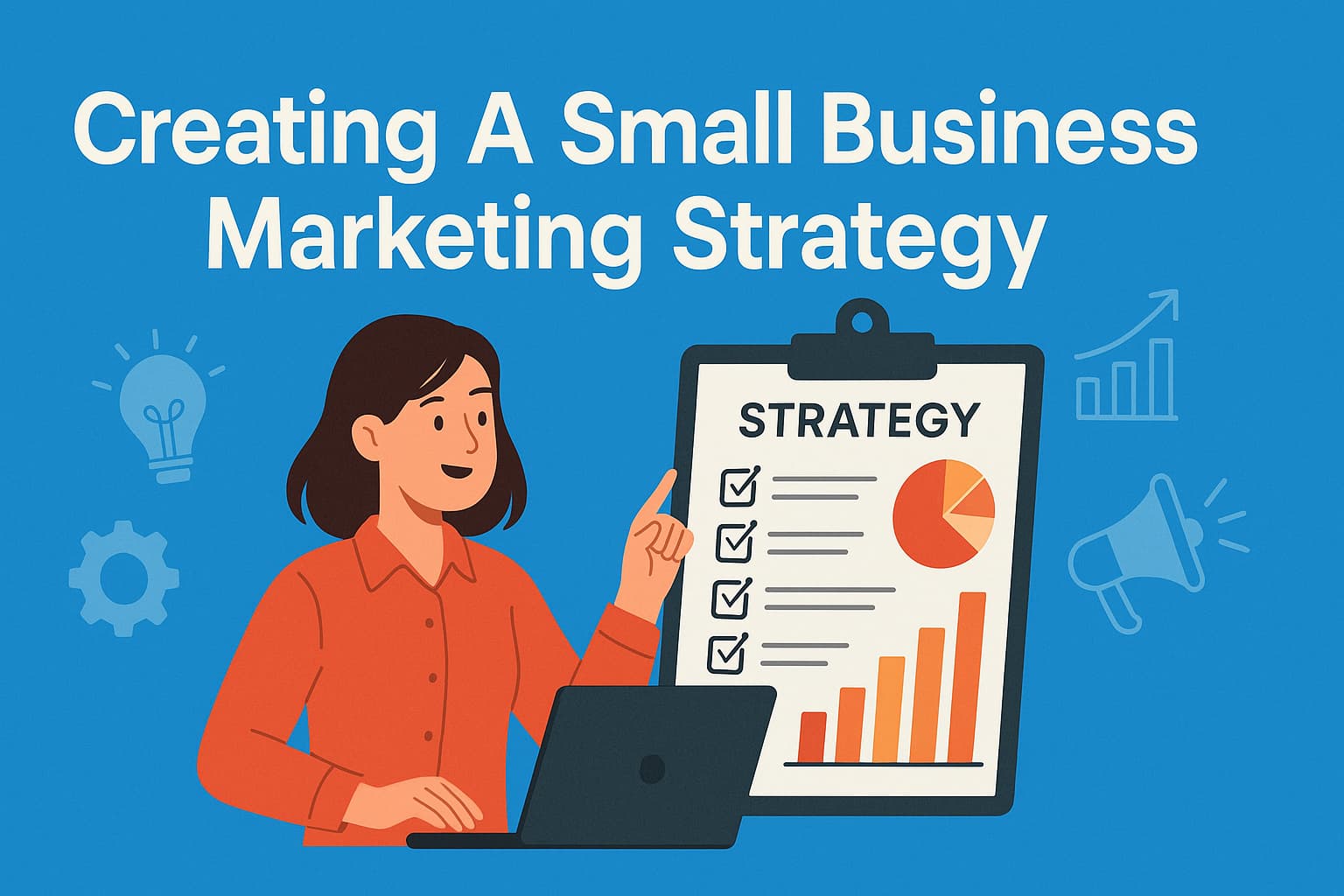
This article offers tips and advice for creating a small business marketing strategy. Find out how to grow your customer base.
Are you a plumber, electrician, decorator, or other tradesperson trying to get more customers in your local area? Many small business owners in the UK depend on customers telling others about them to get work.

This kind of word-of-mouth marketing is great, but it may not be enough to keep your phone ringing with new jobs. In fact, one study found that almost 60% of plumbers rely only on customer referrals and most don’t have a website or social media accounts.
If you don’t do any other marketing, you might miss out on a lot of local people who need your services. That’s why having a marketing plan and a clear marketing strategy is so important for a small business – it ensures you stay visible, competitive, and ready to attract new customers.
How to Create a Simple and Effective Marketing Strategy for Your Local Trade Business
This is why having a simple marketing strategy is so important. A marketing strategy is just a basic marketing plan for how to promote your business and reach more customers. It doesn’t have to be complicated or involve a huge budget. Even a 12-year-old could understand the steps!
With a clear plan, you won’t feel lost or just wait around hoping for calls. Instead, you will take simple marketing efforts to make sure your target audience knows about you and trusts your work. The result? A steady flow of new customers and a growing small business.
Below, we explain step by step how you can create a simple and effective marketing strategy for your local trade business. Follow these easy tips – written in plain UK English – to start getting noticed in your area with a strong marketing plan that works.
Why You Need a Marketing Strategy
If you’re a tradesperson who wants to grow your small business locally, having a marketing strategy is essential. It’s like having a roadmap for business goals and long-term success.
Without a good marketing plan, you might spend money or time on the wrong things, or do nothing and fall behind competitors. A good marketing strategy helps you focus on the best ways to reach your target customers.

It can make a small business look professional and trustworthy, even if you have a tight budget. Remember, people can’t hire you if they don’t know about you – so you need to get the right message out in a smart way.
By planning your marketing, you decide who your target market is, how you will reach them, and what marketing messages to share. This ensures every penny and minute you spend on marketing efforts brings you something back.
In short, a well-designed marketing strategy helps your phone ring with potential customers and keeps your small business marketing moving forward. Now, let’s look at how to create one in simple steps.
Steps to Build a Simple Marketing Strategy
Below are easy steps to create your marketing strategy. You can start with one or two steps and add more over time.
Each step will help your business become more visible, attract your ideal customer, and stay competitive with other local businesses.
With this approach, you’ll be building a solid foundation for an effective marketing plan that supports your growth.
Know Your Customers
First, think about who your ideal customer really is. Are they homeowners or renters? Families or businesses? What problems do they have that your product or service can solve (leaky pipes, broken lights, drafty rooms)?
Knowing your target audience helps you speak their language and shape your marketing content so it resonates. For instance, if you are a plumber, many of your target customers might be homeowners who need emergency repairs.

When you understand this, you can refine your marketing strategy and marketing tactics to show why your services are the right fit. For example, your message could stress how you provide fast, reliable fixes for urgent plumbing issues.
You might also use audience research or even simple focus groups to better understand customer needs. When you fully understand your customers, it’s easier to set clear marketing goals and build a strategy based on solving their real problems.
Set Clear Goals
Decide what you want to achieve with your marketing plan. Do you want more phone calls, higher website traffic, or a specific number of new jobs each month?
Setting clear goals is the first step toward measurable success. For instance, your goal might be “get five new customers this month” or “increase enquiries by 20% this year.” Make sure your goals are realistic for a small business working on a tight budget.
Clear goals allow you to track performance and measure success using simple key performance indicators like calls, leads, or conversion rates.
They also guide your marketing campaigns – for example, if your goal is to boost phone enquiries, you’ll want to showcase your number everywhere, including social media posts, flyers, and your website.
By setting specific goals and linking them to your business plans, you give yourself a solid foundation to measure results and adjust your marketing strategy when needed.
Claim Your Online Listings
One of the easiest and most effective ways to increase visibility is by making your business easy to find online. Start by claiming your Google Business Profile – a free tool that lets your company appear in local search results and maps.
Add your correct name, address, and phone number (often called NAP) and make sure these details stay consistent across all marketing channels. Include a short description of your services, your business name, and some photos of past projects.
Next, add your small business to trade directories and review sites. These listings help search engines see that you’re a genuine local business, which improves local SEO and makes it easier for potential customers to find you. Keeping your profiles up to date also builds trust.
Customer testimonials left on these directories or social media channels can highlight your unique selling proposition and show why you stand out from your main competitors.
Think of listings as your digital advertising shop window – they cost nothing but can generate leads every time people search for your trade. By doing this, you’re laying a strong foundation for effective marketing without spending money on paid advertising too early.
Build a Simple Website
Don’t worry, you don’t need a fancy or expensive site. A mobile friendly website is like your online shop window, working 24/7 to showcase products or services and help you promote your business.
For many small business creating their first site, a simple layout with the key elements is enough:
- A short description of your product or service.
- The areas you cover.
- Clear contact details (phone, email, or text messages).
- A few customer testimonials or project photos.
Make sure your site loads well on mobile devices, as many people will check you from their phones. Adding landing pages with relevant keywords like “boiler repair near me” or “local electrician” will help you rank in search engines.
You could even create simple blog posts or content marketing updates that answer common questions – this type of creating content helps build authority and boosts search engine optimisation.
Your website also gives you data: using website analytics, you can track page views, see how visitors arrive, and identify which marketing tactics are driving the most website traffic.
Even if you’re on a tight budget, a simple website adds credibility, helps with lead generation, and can drive traffic from social media platforms and search engines directly to your business.
Use Social Media Smartly
You don’t need to be everywhere at once or post every day. But creating a page on one or two popular social media platforms is a highly effective way to reach your target audience.
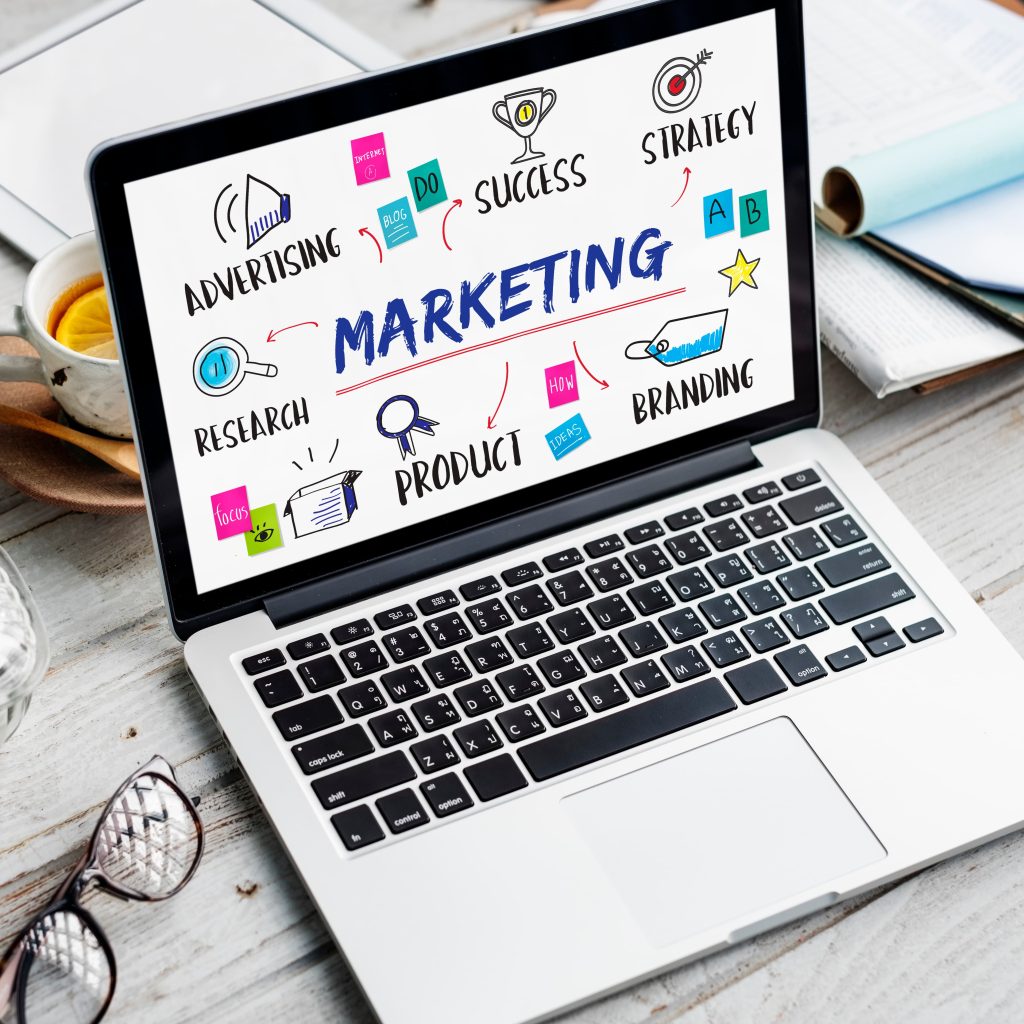
For instance, a Facebook page or Instagram account lets you share social media posts with photos, updates, and entertaining content that shows your services in action.
The best part? Social media marketing is often free. You can post consistently with before-and-after photos, short videos, or user generated content from happy customers who tag you.
Adding location hashtags or your town name helps people nearby discover you. Social media engagement – likes, comments, and shares – not only increases visibility but also builds trust with current customers and potential customers.
As you grow, you could experiment with social media ads or social media advertising, which allow precise targeting of specific audiences. This type of digital marketing can generate leads and even boost online sales when combined with content creation and email marketing.
By using the right social media channels, you can reach people cost-effectively and connect with new audiences.
Use Flyers and Business Cards
Traditional direct marketing still works for local businesses, especially since not every business customer is online.
Flyers and cards are low cost but can make a big difference. Print flyers with a clear plan: a bold headline, your business name, a list of your services, and contact details. Hand them out at local events, deliver them through letterboxes, or leave a stack in community hubs like shops or beauty salons (with permission).
Always carry business cards. Hand them to customers, neighbours, or even sole traders you meet at networking events. These tangible reminders often sit on a fridge or in a drawer until someone urgently needs your product or service.
A simple flyer or card can spread the word about your small business marketing efforts and help you grow your business without relying solely on online methods.
Adding a small incentive – like a discount code or seasonal promotions – can motivate people to call sooner. Printed materials remain an affordable and highly effective part of business marketing, helping you stay competitive against big companies who focus only on digital advertising.
Ask for Customer Reviews
A strong reputation is one of the most effective marketing tools for a small business. When you finish a job and have happy customers, kindly ask for a review.
They can leave feedback on your Google Business Profile, social media channels, or trade directories. These reviews serve as customer testimonials that build trust, show your value proposition, and highlight what makes your business stand out.
You can also share reviews in your marketing content, whether on your website, flyers, or even email campaigns. A short review like “Excellent service, fixed my heating in one day!” is a great example of marketing messages that resonate with target customers.
Sharing these quotes in social media posts or email marketing strengthens your credibility.
Over time, building a collection of 5-star reviews helps with search engines, increases click through rates, and supports customer retention. It’s like free influencer marketing, where real people – your current customers – spread your reputation.
Encourage reviews with further incentives, such as entry into a giveaway or a discount on a future service, making reviews part of your marketing strategy to generate leads and attract new customers.
Track Your Results and Improve
The final step in your marketing plan is to track metrics and see what’s working. Ask customers how they found you: was it through search engines, your website, social media advertising, flyers, or word of mouth?
Recording this in a simple spreadsheet helps you spot patterns over time. For example, if most enquiries come from your van signage, you’ll know that’s an effective approach.
If you run email marketing strategy campaigns, check open rates, click through rates, and conversion rates. With a website, tools like Google Analytics provide insights into traffic, page views, and visitor behaviour.
You can also track results from PPC advertising such as Google Ads or pay per click campaigns – measuring ROI and costs is essential to improve results.
The goal is to measure success and refine your digital marketing tactics. Focus on what brings real results, and don’t be afraid to try new strategies or adjust when needed. Every bit of audience research, competitor analysis, and swot analysis adds clarity.
This process of review, adjustment, and improvement is how you ensure all your efforts continue to help your business grow and attract loyal customers.
Small Business Marketing Strategy: Final Tips
Building a marketing strategy might feel unusual at first if you’re used to just waiting for calls, but consistency is vital. Set aside time weekly for marketing tasks – updating your website, posting on social media channels, or sending email campaigns. These small steps create momentum and help your business grow steadily.
Customer service
Customer service is also marketing: being friendly, on time, and delivering quality services makes current customers more likely to recommend you. Word of mouth remains powerful, but pairing it with content marketing, local advertising, and digital advertising gives you a broader reach.
Marketing budget
If you have a marketing budget, consider testing paid ads such as Google Ads, social media ads, or even co branded content with micro influencers. These marketing channels allow precise targeting of specific audiences, help generate leads, and improve conversion rates.
Even with a small daily budget, you can run campaigns that drive traffic, increase online sales, and strengthen customer retention.
Offline channels
Don’t overlook offline channels either. Local events, print ads, and billboards remain effective marketing for local businesses. For instance, a local bakery sponsoring a football match is a great way to build brand awareness.
Track performance
Remember to track performance and measure results. Look at key takeaways, like which marketing tactics bring the most leads or which ads deliver the best ROI. Use this knowledge to refine your strategy, improve messaging, and ensure your business plans stay aligned with your business goals.
Benefits of a good marketing strategy
In summary, a clear plan and good marketing strategy can make a big difference for any small business. From creating valuable marketing content and sharing ideas on social platforms, to testing new marketing methods like influencer marketing, there are countless ways to grow your business.
Every action – whether it’s a flyer, a blog post, or a follow up email – helps you promote your business, build trust, and increase visibility.
By following this guide step by step, you’ll lay a strong foundation for long-term success. With consistency, the right marketing strategy, and the willingness to adapt, you can stay ahead of the competition, attract new audiences, and achieve real growth.
Marketing matters – and even on a tight budget, it’s the most highly effective way to ensure your business doesn’t just survive, but thrives.
Grow Your Small Business Today
Take the next step in your small business marketing strategy by joining our business directory. It’s a highly effective way to boost your visibility, attract new customers, and stay ahead of your competition — all without a huge budget.
- Reach your target audience in your local area
- Improve your presence in search engines and local SEO
- Build trust with real customer testimonials
- Connect with other local businesses and potential customers
Don’t wait — give your business the visibility it deserves.
Sign up today and make your marketing strategy work harder for you.
Sources
Noticed UK – Local Marketing Checklist for Tradespeople (18 June 2025)
Assured Marketing – 5 Marketing Tips For Tradesmen Businesses (2023)
Fix Radio – Tradespeople – put your prices up says expert (1 Sept 2022)
Simply Business – How to write a marketing plan for your small business (28 Feb 2024)