
We explore ten questions to ask before hiring a builder to ensure our project gets underway without any problems.
Hiring a builder is one of the biggest financial decisions you will make as a homeowner. Whether you are planning a modest kitchen extension, a loft conversion, building a new home, or a complete home renovation, choosing the right builder is essential.
The right builder will affect the quality of the construction work, the value of your house, and the safety of your property – it can literally make or break the success of your project.
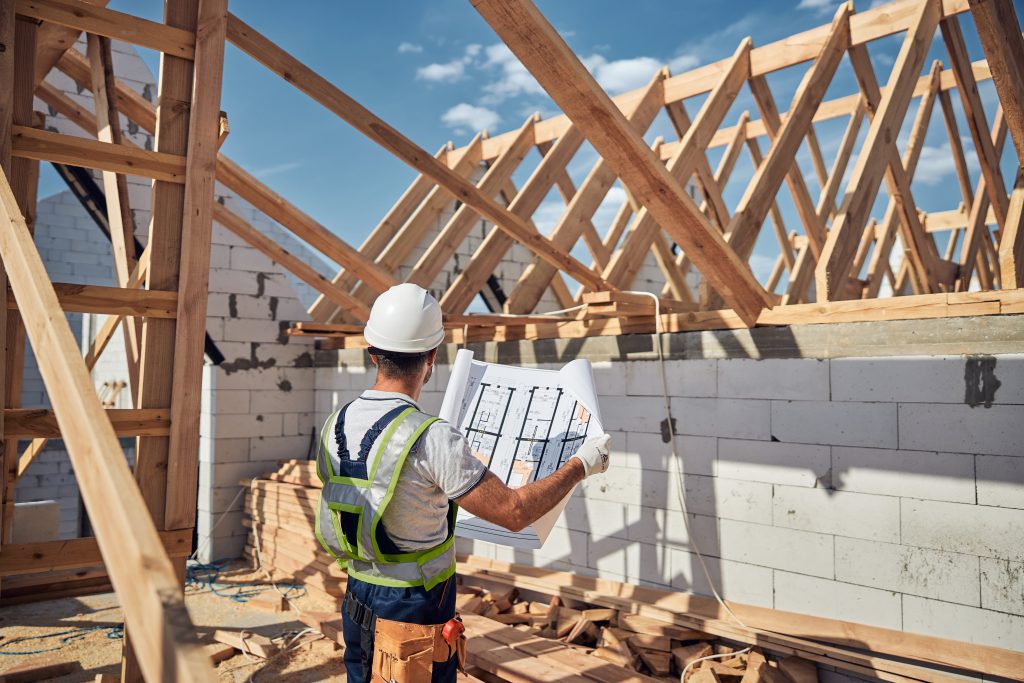
It’s critical to do your homework on any potential builder – whether it’s a long-established company or a new builder – to ensure they will meet the right standards.
In the UK, countless homeowners have unfortunately fallen victim to cowboy builders in the building industry – rogue traders who cut corners, ignore building regulations, or even disappear with your money after taking a deposit.
What Should I ask A Builder?
To protect your investment and make sure your dream home improvement project is successful, it’s vital to do your research and know the right questions to ask before hiring a builder.
There are plenty of trustworthy, quality builders out there, but you need to vet each potential builder carefully.
The following ten important questions will serve as a guide and top tips to help you identify a reliable builder, avoid costly mistakes, and ensure your project runs smoothly from start to finish.
For any prospective builder you are considering, be sure to ask the following questions. These key questions will give you confidence that you’re hiring the right professional and help you fully understand what to expect during the building process.
Are You Properly Licensed and Insured?
Always confirm that the builder is properly insured and holds any required licences or certifications for the work.
In the UK, a reputable building company should carry public liability insurance at a minimum – this insurance cover protects you if something goes wrong on site, for example if there are accidents causing damage to your property or injury to others.
If the builder has a team of staff, they are also legally required to have employers liability insurance to cover their workers.
Don’t just take their word for it: ask to see proof of their insurance cover (such as certificates of insurance) and check that the policies are valid and up-to-date.

Without proper insurance in place, you as the client could end up liable for costs or claims, so this is an essential point to verify before any building work begins.
It’s also worth checking if the builder is a member of a professional trade association or carries any specific trade licences. While general builders don’t have a mandatory licensing system, credible ones often have qualifications or memberships that demonstrate their professionalism.
For example, being an accredited member of a reputable scheme such as the Federation of Master Builders (FMB) is often a positive indicator – FMB Master Builders are vetted to meet high standards in the industry.
Many master builders and experienced tradespeople take pride in their credentials and will happily show them to you.
A builder who has nothing to hide will be happy to provide documentation of their credentials and insurance. If a potential builder hesitates or refuses to show you proof that they are insured or properly qualified, consider it a red flag and think twice before hiring them.
Can I See Examples of Similar Projects?
Any good builder will be proud to show you examples of their past work. Ask to see a portfolio of previous projects similar to yours – whether it’s an extension, loft conversion, or full renovation – so you can judge the quality of their work.
Many builders keep photos of completed jobs on their website or can share a gallery of images from similar projects in the local area. In some cases, you might even be able to visit a finished project (with permission) to see the workmanship first-hand.
Seeing real examples gives you a good idea of what the builder can deliver and whether their style and capabilities match your vision.
Of course, it’s also a good practice to request references, talking directly with previous customers if possible.
A builder with experience working on projects like yours should readily provide contact details of happy previous clients you can talk to. When talking to references, ask how the building process went and whether the project was completed to a high standard.
Find out if the builder’s previous work met their expectations and if they would recommend them to others. You also want to hear honest feedback about the builder’s professionalism and whether any problems occurred.
Checking client reviews and testimonials (for example, on trade websites or the builder’s own site) can also be helpful.
Knowing that your prospective builder has successfully delivered similar projects for other homeowners will give you peace of mind that your project is in good hands.
Who Will Be Doing the Work?
It’s important to know exactly who will be doing the work on your project. Some builders have their own full-time team, while others use subcontractors or other tradespeople for parts of the job.
There’s nothing inherently wrong with a builder bringing in specialist trades like electricians or plumbers – in fact, for larger projects it’s common – but you should know in advance who will be on site and which tasks they will undertake.
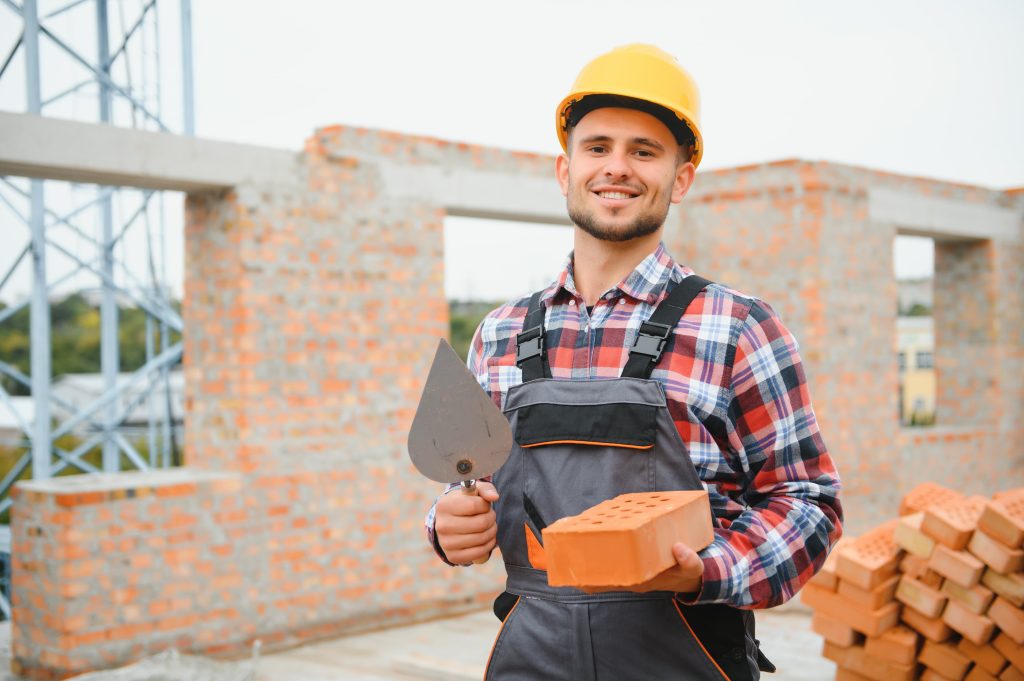
Ask your builder whether they employ the right tradespeople to carry out all the work required or if they will contract out certain aspects of the build.
If they do use subcontractors, you may want to ask how they select these trades and whether they have worked with them before. Knowing who will actually be building your extension or renovation will give you a clearer idea of how the construction team operates.
Also find out who will be overseeing the project and managing the day-to-day schedule. Will the builder themselves be on site regularly, or will a foreman or project manager be your main point of contact?
Having one reliable person in charge that you can communicate with is essential.
A clear chain of command means better communication and fewer misunderstandings during the build. Make sure you’re comfortable with the answer – a good builder should be able to explain their team structure and reassure you that the work will be managed professionally from start to finish.
Will I Get a Written Quote and Contract?
Never rely on verbal agreements when hiring a builder. Insist on a written quotation and a formal contract before the work starts.
A proper contract in writing will outline exactly what’s expected from all parties and help prevent misunderstandings or disputes later on. Key things that should be included in a quote and contract are:
- Detailed scope of work – a breakdown of all the work to be done and materials to be used, so you know what is and isn’t included. (This is essentially the project brief for the job.)
- Costs and payment terms – the total price and whether it’s a fixed quote or estimate, along with an agreed payment schedule. This often means using staged payments linked to project milestones (avoid paying large sums up front). Check if VAT is included in the price to avoid surprises.
- Timeline or timescale – the expected start date, duration, and completion date for the project. Also note how timing could be affected by factors outside anyone’s control (such as weather or materials delays).
- Changes and delays – what the process is if you or the builder need to change the scope, and what happens if there are delays. For example, how will any change in cost or timing be handled, and must changes be requested and agreed in writing?
- Signatures and terms – both you and the builder should sign the contract to make it legally binding. The contract may also cover warranty information, insurance, or any other terms and conditions of the agreement (including invoicing and any special clauses).
Having everything clearly documented in writing protects both you and the builder. It ensures everyone has the same understanding of the project from the outset. If a builder is unwilling to provide a written quote or contract, don’t hesitate to walk away – a refusal to put promises in writing is a major red flag.
What Warranty or Guarantee Do You Provide?
Any quality builder should stand by the quality of their work. Ask what warranty or guarantee comes with the project.
This typically means asking how long they will fix any defects in workmanship after completion and whether materials are covered by a manufacturer’s warranty.
A solid guarantee on both labour and materials shows the builder has confidence in the quality of their service and the durability of the construction.
Ideally, the builder should offer an insurance-backed guarantee. This is a special kind of warranty that provides protection even if the building company ceases trading or goes out of business (becomes bankrupt).
In other words, if the builder is no longer around and a problem arises, you can still make a claim to have the issue resolved without additional cost.
An insurance-backed warranty or a structural warranty (often provided through a third-party insurer or trade body) gives you extra peace of mind on a big project.
Be sure to get any warranty details in writing as part of your contract or handover paperwork.
A good warranty is essential to protect your investment and will help ensure a successful project in the long term.
How Do You Handle Permits and Building Regulations?
In the UK, many construction projects will need formal approval from the local authorities – through planning permission, building regulations approval, or both.
Ask the builder upfront who will be responsible for handling these permits and any necessary paperwork. Will the builder prepare and submit the planning application if one is required for your extension or renovation? Will they manage the building regulations approval process, such as arranging inspections with the building inspector from the council’s building control department?
It’s crucial to know whether the builder will take care of these steps or if you, as the homeowner, need to arrange them. A reliable builder should be familiar with the regulations that apply to your project and not shy away from explaining this process. They should also be prepared to coordinate with your architect or designer to ensure all requirements are met.
If your project requires permits, a good builder will often guide you through each stage and ensure all approvals are covered. They should be able to advise on what permissions are needed and help fill out or provide necessary documents. For example, if planning permission is needed, they might help with drawings or liaise with your architect.
During construction, the builder should coordinate with building control for inspections at key stages, so that your project gets signed off as compliant with code at completion. They should also be aware of any related obligations, like notifying neighbours about significant work if required or adhering to health and safety regulations on site.
Discussing these important questions about permissions and compliance will give you a clear picture of how the builder handles the administrative side of a project and will prevent nasty surprises down the line.
What’s the Timeline and Payment Schedule?
Before any work begins, make sure you and the builder agree on a realistic timeline for the project. Ask how long the job is expected to take, from start to completion.
Also find out when they can actually begin – if the builder is very busy with other jobs, you might have to wait weeks or months before they can start on your property.
Get a proposed start date and an estimated finish date, and find out how the builder plans to manage the schedule. It’s important that the timeframe is realistic – neither overly optimistic nor unnecessarily long. Also ask how they handle unexpected delays or changes in timing.
For instance, what is the plan if bad weather, supply shortages, or other unforeseen circumstances increase the likelihood of delays?
A professional builder should have a contingency plan or buffer in the schedule and keep you informed of progress, so your budget and timeline stay on track.
Being upfront about the timeline and discussing the expected duration will help both parties stay on the same page and make adjustments if needed.
If you’re planning a very large development, discuss whether the builder will break it into phases or have a longer timeline. Conversely, even for smaller projects, the schedule and deadlines should be agreed clearly so everyone has the same expectations.
Equally important is clarifying the payment schedule. Make sure the payment terms are clear and tied to the work as it progresses.
It’s standard practice to pay in instalments linked to completed stages of the project (for example, after foundations, roof completion, etc.), rather than handing over a large sum in advance.
Discuss any deposit required to start – a reasonable deposit can be expected to secure a booking, but be wary if a builder demands a very large upfront payment or insists on cash only. That can be a red flag signalling cash flow problems or solvency issues.
A trustworthy company will typically have the resources to carry a project to the first stage without needing most of the money up front. Agree on payment terms in writing, including the amounts, due dates, and what each payment covers.
Sticking to a staged payment plan protects you from losing too much money in case things go wrong, and it motivates the builder to deliver work to the agreed standard at each stage.
How Will We Communicate During the Project?
Clear and frequent communication is crucial to a smooth building process. Ask the builder how you will stay in touch and how often you’ll receive updates on progress.
Will there be regular on-site meetings (for example, weekly check-ins) or updates at key stages? Who is the best person to contact if you have questions or concerns along the way?
Whether it’s face-to-face discussions on site, scheduled phone calls, or email updates (some builders even use messaging apps for quick check-ins), having an agreed communication plan is a good way to keep the project on track.
Make sure the builder is approachable, willing to communicate openly, and ready to answer queries as they come up.
You should feel comfortable to raise any issues and find it easy to communicate with the builder, and confident that the builder will respond promptly if any problems arise.
Good two-way communication helps build trust and ensures that any small issues are addressed before they become big problems.
What Steps Do You Take for Site Safety?
Construction work can be dangerous, so it’s important that your builder prioritises site safety. The builder is responsible for making sure the site is safe for workers, you, your family, and even neighbours or passers-by.
Ask about their approach to health and safety on the job. For example, what precautions do they take to prevent accidents and reduce risk? Do they provide appropriate protective equipment (hard hats, high-visibility clothing, safety barriers)?
Will there be secure scaffolding and proper fencing or signage around the site? How will hazardous materials or waste be handled and disposed of?
A professional builder should have clear answers and follow all relevant safety regulations and the guidelines set out by the Health and Safety Executive (HSE). Knowing that your builder has a strong safety plan in place will help ensure the project runs smoothly without unnecessary dangers or delays.
How Will the Site Be Left Once Work Is Complete?
Finally, ask the builder what happens at the end of the project. A good builder won’t just pack up and leave your property in a mess once the job is finished.
Site clean-up and waste disposal should be part of the service – confirm whether these are included in the quote or contract.
For example, will the builders remove all rubble, construction debris, packaging, and unused materials from your property?
Do they handle skip hire or other waste disposal arrangements, or will you need to arrange that yourself? Clarifying this in advance ensures that you won’t be left with a pile of rubbish or extra costs to deal with after completion.
Professional builders typically aim to leave your home in a clean, safe condition, ready for you to use and enjoy. They should at least broom-sweep the site and ideally perform a thorough tidy-up of all work areas.
If interior work was done, ask if they will do a basic clean to remove dust or if you’ll need to hire a cleaner.
Knowing what to expect at the end point of the project will help you plan ahead. It’s much better to have these details covered in writing, rather than discovering after the builders leave that you need to pay for additional cleaning or waste removal.
By ensuring the final stages are taken care of, you can avoid ending your renovation on a sour note and instead enjoy the results of your dream home improvement.
Conclusion: Protecting Your Home and Investment
When it comes to renovating or building your home, no matter the design or size of your project, hiring the right builder is crucial. Asking these ten questions before you make a decision will help you compare quotes fairly, fully understand what each company offers, and avoid costly mistakes.
Remember, when deciding on a builder, it isn’t just about getting the lowest price – it’s about finding a trustworthy professional who has the right experience and will deliver quality, reliability, and value.
For most homeowners, a major construction or renovation project is a significant investment (often tens of thousands of pounds), so investing time to find a builder you trust and asking the important questions is well worth it.
Take your time, seek out recommendations from friends, family, or other tradespeople, and even check online reviews, and, most importantly, do not hesitate to walk away if something doesn’t feel right. It’s better to delay a project than to end up with the wrong builder.
By vetting potential builders carefully and covering all the aspects above, you can move forward with confidence. You’ll have the peace of mind that comes from knowing you did your due diligence, followed expert advice, and selected a quality builder who is a good fit for your project.
With clear communication, a proper contract, and the right team in place, the chances of a smooth build and a successful outcome (on time and on budget) are much higher.
Taking these steps now can save you from a lot of trouble and expense down the line. In the end, the goal is a dream result – a finished home improvement that you love – and choosing the right builder is a crucial factor in making that happen. Your home is your most important asset, so protect it by hiring a builder who will treat it with care, professionalism, and quality workmanship from start to finish.
Looking for trusted local builders? Find the right professionals in your area today through our business directory. Save time, compare services and connect with builders who are ready to help you bring your project to life.
Sources:
Citizens Advice UK
Federation of Master Builders
Health and Safety Executive (HSE)
GOV.UK Planning and Building Regulations