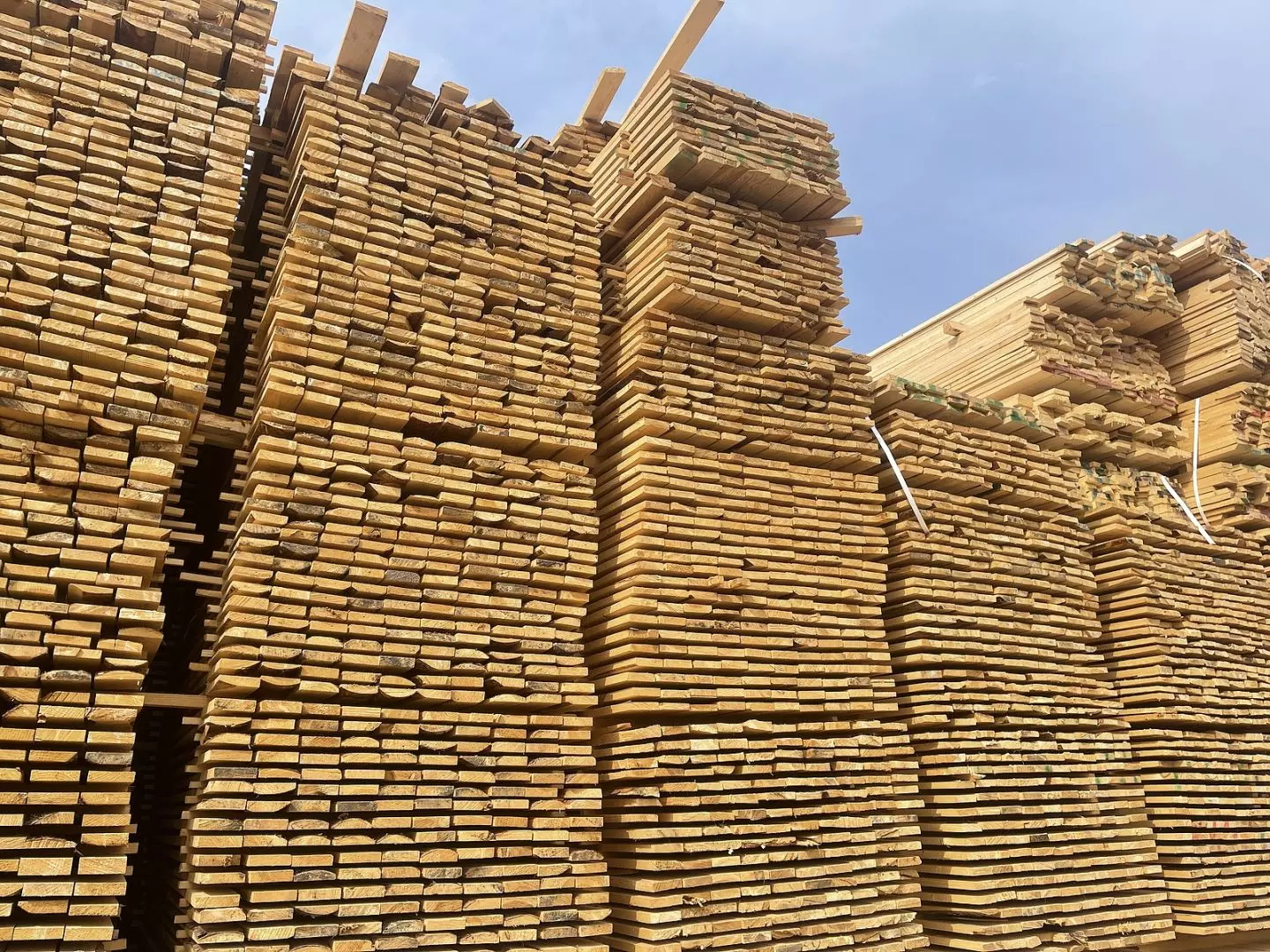
What is Hardwood and Softwood?
Timber is a versatile material used in a wide range of projects, from constructing houses to crafting furniture. It primarily falls into two categories: hardwood and softwood. But what exactly sets these two types apart?
Hardwood comes from deciduous trees, which are trees that shed their leaves annually. Examples include oak, ash, and beech. These trees grow slowly, resulting in wood that is dense, durable, and long-lasting. Hardwood is often chosen for high-quality furniture, flooring, and items that need to withstand significant wear and tear. Its strength and longevity make it a popular choice for both aesthetic and functional purposes.
Softwood, on the other hand, comes from coniferous trees, which maintain their needles year-round. Common examples are pine, spruce, and cedar. Softwood trees grow more quickly, making their timber more affordable and accessible. This type of wood is lighter and easier to work with, making it ideal for applications such as constructing doors, windows, and structural elements like roof beams.
While hardwood is prized for its durability and timeless appeal, softwood is valued for its versatility and cost-effectiveness. Understanding the differences between these types of timber ensures you can choose the right material for your specific project needs.
Engineered Wood: What Are Your Options?
Engineered wood is a practical and cost-effective alternative to natural timber, offering strength and versatility. It is created by combining wood fibres, particles, or veneers with adhesives to form durable panels. Engineered wood is widely used in construction, furniture making, and interior design due to its stability and affordability.
Plywood
Plywood is made by layering thin sheets of wood veneer with glue, with each layer positioned at right angles to the one below. This cross-grain structure gives plywood exceptional strength and resistance to warping. It’s a versatile option used in shelves, walls, floors, and even boats, making it suitable for projects requiring durability and structural stability.
MDF
Medium Density Fibreboard (MDF) is made from fine wood fibres mixed with resin and compressed into dense, smooth sheets. MDF’s uniform surface makes it easy to cut, shape, and paint, making it ideal for cabinetry, decorative panels, and indoor furniture. However, MDF is not moisture-resistant, so it’s best suited for indoor applications.
OSB
Oriented Strand Board (OSB) is composed of large wood chips arranged in layers and bonded with adhesives. It is known for its strength and cost-effectiveness, often used in structural applications like flooring, walls, and roofing. OSB’s rugged texture makes it less visually appealing than other options but perfect for hidden structural elements.
Engineered wood provides a wide range of solutions for different needs. Whether you need the strength of plywood, the smooth finish of MDF, or the affordability of OSB, these materials offer practical and reliable alternatives to solid timber, ensuring you can complete your project with confidence.
Need assistance finding timber frame erectors near you?
Get a QuoteChoosing the Best Wood for Your Project
Choosing the right wood is essential for a successful project. Hardwoods like oak and ash are ideal for strong, long-lasting items such as tables and floors, offering durability and natural beauty. Their grain patterns add character, making them perfect for high-quality furniture.
Softwoods like pine are affordable, lightweight, and easy to work with, making them great for shelves, picture frames, and general DIY projects. They’re versatile and suitable for projects that don’t need the same strength as hardwoods.
Engineered woods, such as plywood and MDF, are excellent for large panels and smooth finishes. Plywood is strong and versatile, while MDF is perfect for painted projects like cabinets. Consider outdoor conditions too; cedar or treated softwood works well for weather-resistant builds.
By balancing factors like durability, cost, and appearance, you can select the ideal wood to match your project’s needs.
Options for Sustainable Timber
Sustainable timber is an environmentally friendly choice that helps protect forests while meeting the demands of your project. It refers to wood sourced from responsibly managed forests where trees are replanted, and biodiversity is preserved. By choosing sustainable timber, you contribute to reducing deforestation and supporting eco-friendly practices.
One way to identify sustainable timber is to look for certification labels such as FSC (Forest Stewardship Council) or PEFC (Programme for the Endorsement of Forest Certification). These certifications ensure that the wood has been harvested responsibly and meets strict environmental and ethical standards. Purchasing certified timber guarantees that the forests are managed for long-term sustainability.
There are also alternative sustainable options to consider. Bamboo, for example, is a fast-growing material that requires minimal resources like water and pesticides. Its rapid growth rate makes it an excellent renewable choice for flooring, furniture, and other projects. Reclaimed wood is another sustainable option, as it repurposes timber from old buildings, furniture, or structures, reducing waste and the demand for new timber.
Opting for sustainable timber not only benefits the environment but also ensures high-quality materials for your project. Whether you choose certified wood, bamboo, or reclaimed timber, you can enjoy the satisfaction of creating something beautiful while
Which Type of Timber Looks the Best?
The appearance of timber can play a significant role in your project, as different types of wood offer unique colours, grain patterns, and finishes. Choosing the right timber for its aesthetic qualities can elevate the overall look of your furniture or construction.
Oak
Oak is a popular choice for its rich, warm tones and distinctive grain patterns that deepen over time. Its natural beauty makes it a favourite for high-quality furniture, flooring, and cabinetry. Oak’s timeless appeal suits both traditional and modern designs, making it incredibly versatile.
Pine
Pine is another excellent option, particularly if you’re looking for a light-coloured wood with smooth, even grains. It can be painted or stained to match a variety of styles, from rustic to contemporary. Pine is widely used for bookshelves, small tables, and decorative items because of its affordability and adaptable appearance.
Mahogany
For a luxurious look, mahogany stands out with its deep reddish-brown hue and fine, uniform grain. This hardwood is commonly associated with premium furniture and musical instruments, adding elegance and sophistication to any project. Its rich colour and polished finish make it ideal for creating statement pieces.
Ultimately, the best-looking timber depends on your personal preferences and the style you want to achieve. Whether you prefer the classic charm of oak, the versatility of pine, or the opulence of mahogany, each wood type offers unique visual appeal to enhance your project.
In this article: