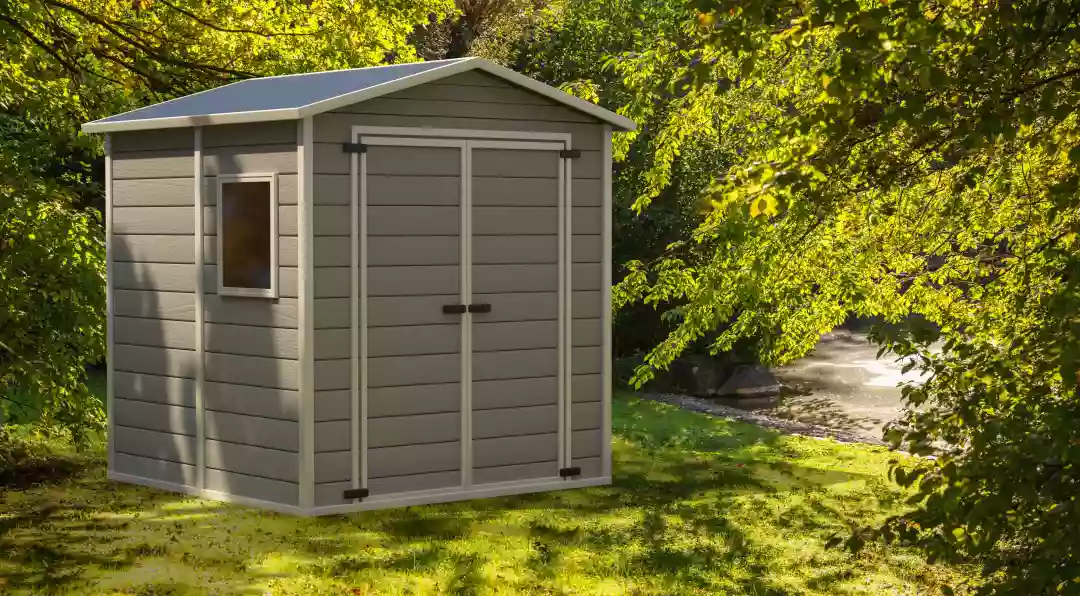
Do I need a permit to run electricity to my shed in the UK?
Running electricity to a shed or garden room in the UK is a popular project for homeowners who want to transform a simple garden shed into a functional and versatile space. Whether it’s for power tools, security systems, mood lighting, or simply powering appliances, having a dedicated electrical supply can make a huge difference. However, it is not as simple as plugging in an extension lead. Regulations, permits, and qualified professionals all play a role in ensuring your project is carried out safely and legally.
Do You Need a Permit?
Yes, in most cases you need a permit to run electricity to a garden shed in the UK. Any electrical installation is considered controlled work and must comply with building regulations. This applies across England and Wales, where Part P of the Building Regulations specifically covers domestic electrical work.
That means you must notify your local authority or local council before work begins. Attempting to carry out major or even minor installations without the proper permits can result in fines, insurance issues, and even legal complications. For most purposes, hiring a certified electrician is the safest and most reliable way forward.
Why Hiring a Qualified Professional Matters
Electrical work should never be treated as a DIY job. To comply with UK law, a qualified and registered electrician should carry out the installation. They will make sure the cable run is safe, the consumer unit and fuse box connections are correct, and that the installation is inspected and certified once complete.
A good electrician will also advise you on the best way to run power to your shed. They can help you determine your power needs, design a safe system, and ensure the installation won’t cause fire hazards, moisture damage, or accidental damage from rodents or weather exposure. Using a professional installation gives you peace of mind that your electrics are safe and compliant.
Steps Before Work Begins
- Plan your project carefully – consider your power needs (lighting, heating, tools, appliances).
- Consult a registered electrician to discuss your options and get a quote.
- Check with your local council about shed regulations, permits, and planning permission requirements.
- Make sure the site is accessible and clear for groundwork like digging a trench for the cable.
- Allow the electrician safe access to your house fuse box and the garden shed or garden room.
Need assistance finding garden sheds and buildings near you?
Get a QuoteRunning Power Safely
To run electricity safely, the installation must follow strict regulations. A qualified electrician will choose the right cable type, bury it at the correct depth in a trench, and ensure it is protected against moisture damage and accidental damage. They may also install an outdoor socket or dedicated sockets inside the shed, depending on your space and equipment needs.
What Can You Use Power For?
Adding an electrical connection to your garden shed or garden room can be useful for:
- Lights – general lighting, task lighting, or mood lighting for entertaining or hobbies.
- Heating – small heaters to make the shed a functional year-round room.
- Power tools – perfect if you’re using the shed as a workshop.
- Appliances – such as printers, computers, or small kitchen equipment in a converted garden room.
- Security – CCTV, alarms, or security systems.
- Storage support – safe lighting and sockets for outbuildings used as storage spaces.
Alternatives to Mains Electricity
In some cases, you may not want to dig a trench or pay for a full installation. Alternatives include:
- Solar panels – great for low power needs and environmentally friendly.
- Extension cable or extension lead – suitable only as a short-term solution, not for long-term use, due to safety risks.
- Outdoor socket – a simpler way to connect power for most purposes without a full-scale electrical installation.
Legal and Compliance Considerations
All electrical work in buildings and outbuildings must comply with Part P of the Building Regulations. This is classed as notifiable work, meaning your local authority must be notified. Once work is carried out, your electrician should provide certification that the installation has been tested and meets compliance standards. Always ask for a certificate once the job is complete.
Cost and Benefits
The cost of running electricity to your shed will vary depending on distance, design, and your specific needs. While it may seem expensive upfront, the long-term benefits include making your shed or garden room more versatile, functional, and valuable. Additionally, having a safe and compliant system can save money in the long term by preventing damage, fire hazards, or the risk of dangerous faults.
Running Electricity to My Shed: Conclusion
To answer the original question – do you need a permit to run electricity to your shed in the UK? The answer is yes. You must follow the correct process, comply with regulations, and ensure all work is carried out by a qualified professional. With the right plan, preparation, and professional help, you can complete the installation safely, giving you the peace of mind that your garden shed or garden room is powered correctly for all your needs.
In this article: