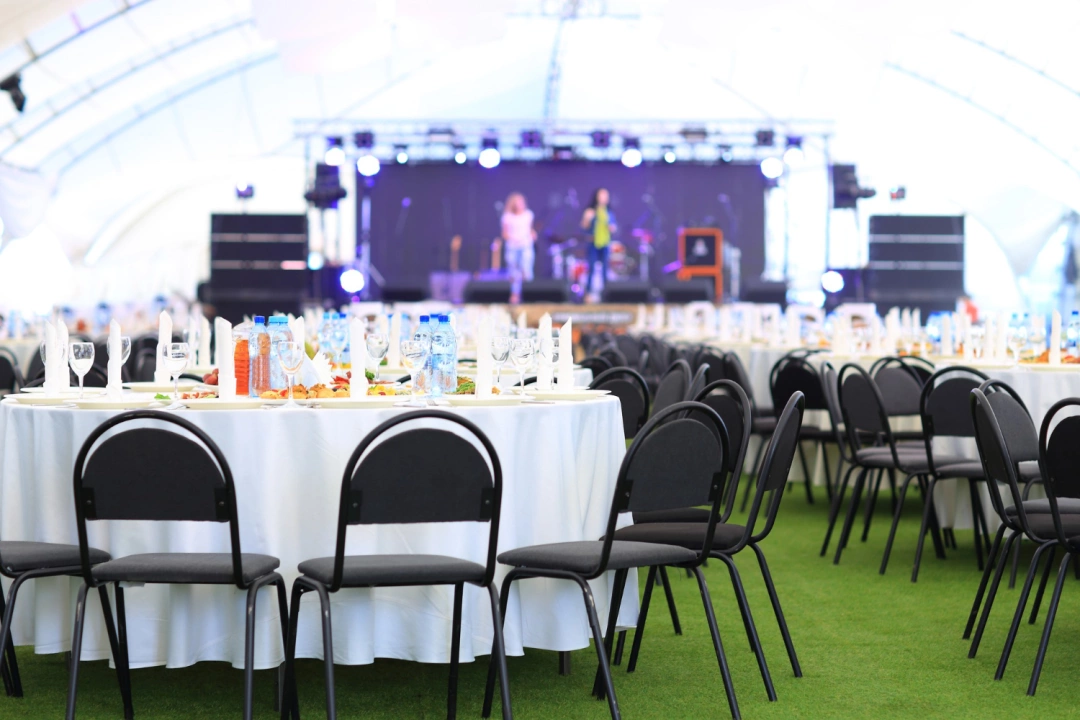
Do You Need Public Liability Insurance for One-Off Events in the UK?
When planning a one-off event in the UK, it is easy to focus on the fun and exciting details like decorations, music and food. However, there is one important part that should not be overlooked — public liability insurance.
This type of cover helps protect event organisers if someone is injured or if there is damage to property during the event. Whether it is a small community gathering or a larger private function, having the right protection in place can save a lot of trouble and cost later on.
Understanding when and why this insurance might be needed can help you make a better decision. It is not always required by law, but many venues and councils will ask for proof before giving approval for your event.
When Event Organisers Should Seriously Consider Cover
While not every event needs public liability insurance, there are certain situations where it becomes very important. Below are examples of times when cover should be seriously considered.
Using a Public Venue
If your event takes place in a public space like a park, town hall or school, you will often be asked to show proof of public liability insurance. Local councils and venue owners want to make sure any damage or injury that may happen will be covered.
Without this insurance, you may not be allowed to go ahead with your booking, or you may have to cover costs from your own pocket if something goes wrong.
Expecting a Large Number of Guests
More guests mean more chances that something unexpected could happen. Whether it is someone slipping on a wet floor or getting hurt during an activity, the risk increases with larger crowds.
Public liability insurance gives you peace of mind by covering claims from injured guests or their damaged belongings.
Bringing in Equipment or Stalls
When your event includes items like sound systems, bouncy castles or food stalls, the risks also increase. Equipment may cause injuries, or food may cause allergic reactions.
Even if you hire professionals to run these parts, you may still be held responsible as the event organiser. Insurance helps cover your back if someone makes a claim.
Working with Volunteers or the Public
If your event relies on volunteers or involves activities with members of the public, there is a higher chance of accidents. For example, a volunteer might trip over a wire or a visitor might get hurt using a tool at a craft table.
Public liability insurance can step in to cover medical costs or legal claims related to these incidents.
Need assistance finding public liability insurance near you?
Get a QuoteWhat Public Liability Insurance for Events Typically Covers
Public liability insurance is designed to protect you from the financial impact of unexpected accidents. Here are some of the main areas it usually covers.
First, it covers injury to third parties. This means if a guest, visitor or member of the public is hurt during your event, the insurance can help pay for their medical treatment or any legal claims they may make against you.
Second, it includes damage to third-party property. If your event accidentally causes harm to someone else’s belongings or to the venue itself, your policy will usually help with the repair or replacement costs.
Third, it can cover legal fees. If someone does decide to take legal action, the policy can help cover the cost of defending yourself in court.
However, this insurance usually does not cover your own staff, volunteers or any damage to your own equipment. For those, you might need different types of cover like employer’s liability or contents insurance.
Types of Events That Often Require Public Liability Insurance
Not all events carry the same level of risk, but there are many types where public liability insurance is either required or highly recommended. This includes events where the public has access, where equipment is used or where there is a higher chance of injury or damage.
Some common examples include charity fundraisers, outdoor markets, school fairs, village fêtes and sports events. These often take place in shared or public areas and usually involve food, stalls or activities that bring extra risk.
Music concerts, firework displays and large weddings also fall into the high-risk group. Even something as simple as a private birthday party in a rented hall can go wrong, especially if there is alcohol, hired furniture or large numbers of people.
Insurance is often required as a condition by the venue or local authority. In these cases, not having it may result in your booking being cancelled or the event being shut down. It also gives guests and participants more confidence that they are in a safe and well-run setting.
How to Arrange Public Liability Insurance for a Single Event
Getting public liability insurance for a one-off event is usually a simple process. Many companies offer short-term policies that are made just for this purpose. It helps to know what to expect and how to find the best cover for your needs.
Know the Details of Your Event
Before you can buy a policy, you will need to give full details of your event. This includes the date, location, number of guests, type of activities and whether any equipment or suppliers are involved.
The more accurate the information, the better your cover will match your event. Leaving out details can mean your policy may not cover you properly if something goes wrong.
Compare Insurers That Offer Event Cover
Not all insurance companies offer one-day or one-event cover. It is best to look for companies that specialise in short-term policies. Many of them let you buy online and give you instant documents you can show to venues or councils.
Check what is included in the policy and make sure the cover amount is high enough. Most councils and venues ask for at least £1 million to £5 million in cover depending on the size and nature of the event.
Get Proof of Insurance Early
Once you buy the policy, you will get a certificate of insurance. This is often needed by venues or authorities to confirm your event is protected. Make sure you get this sorted well in advance so there are no last-minute issues.
Having the document ready can also help reassure anyone working or taking part in your event, showing that safety is a top priority.
In this article: