What is the average life of a carpet?
It is important to know when it’s time to replace your carpet, as this can save you considerable costs for replacements, as well as make your home look more attractive and inviting. Knowing how often carpets should be replaced takes some knowledge of the average life expectancy of carpets.
Carpet has changed over the years, and the average life of a carpet varies depending on its material, the quality of the product, and how much the carpet is exposed to. Generally, carpets made from lower-grade materials such as olefin or polyester may last about five years while carpets made from higher-grade materials such as nylon or wool may last ten to fifteen years. However, foot traffic, maintenance, exposure to the sun, and other factors can shorten the life of the carpet.
How do you know when your carpet needs to be replaced?
When deciding if it’s time to replace your carpet, there are five key signs to look for. First, if the discolouration is prominent throughout the carpet, then it’s a clear sign that the carpet is ageing. Second, if the edges and corners of the carpet are fraying, then it’s time to think about replacing it. Third, if there are significant areas of wear and tear, especially in high-traffic areas, then it’s likely time to replace the carpet. Fourth, if there are odours coming from the carpet, then this is an indication that the carpet should be replaced. Finally, if your carpet is more than 10-15 years old, then it’s probably time to replace it.
Need assistance finding carpet cleaning near you?
Get a QuoteTips to extend the lifespan of your home's carpeting
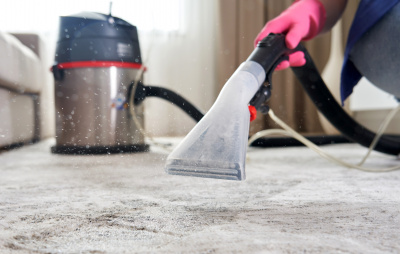
Regular maintenance can greatly extend the life of your home’s carpeting. Vacuuming your carpets weekly will help keep dirt and grit from becoming embedded into the fibres. Area rugs and runners placed at entrances, hallways and other high-traffic areas can help protect the carpet from excess wear and tear. It’s important to also ensure that spills are quickly cleaned up so they don’t cause permanent staining. Lastly, having your carpets professionally deep-cleaned every 12-18 months can help remove dirt and residues that have embedded themselves into the carpet fibres.
Caring for Your Carpet Can Increase Its Lifespan
Taking care of your carpet can greatly increase its lifespan. Cushioned mats placed at entrance points can capture dirt and debris before it gets tracked onto the carpet fibres. Regular vacuuming with a good brand vacuum cleaner can help remove dirt, and vacuuming should be done at least once a week. Carpets should also be protected from direct sunlight to prevent them from becoming faded or discoloured. Another way to prolong the life of your carpet is by using mild cleaning solutions and avoiding harsh detergents or bleach, as these can damage the fibres and strip away their protective coatings.
What is the most durable type of carpet?
When choosing a new carpet, it’s important to consider its durability and lifespan. Nylon is the most durable type of carpet, as it resists abrasion and crushing, and is best suited for active homes and busy areas such as hallways and stairs. Polyester may not be as durable as nylon, but it is colourfast, stain-resistant, and offers good value for money. Cotton carpets are plush and luxurious but are not very durable and require regular grooming and cleaning. Wool is a natural fibre that has long-lasting performance and is a great choice for a luxury look.
To conclude, knowing how often carpets should be replaced helps determine when it’s time to upgrade your carpets. The average life of a carpet depends on the material and quality as well as how much it is exposed to. There are several ways to know when your carpet needs to be replaced such as discolouration, fraying, odours, stains, and if it is more than 10-15 years old.
To extend the lifespan of your home’s carpeting, it is recommended to practice regular maintenance such as vacuuming weekly and using area rugs. Taking care of your carpet by using cushioned mats, avoiding direct sunlight, and using mild cleaning solutions can also help prolong its lifespan. Lastly, when deciding on a new carpet, nylon provides the longest-lasting performance, however, wool and cotton offer luxurious looks at a cost of some durability.
In this article: