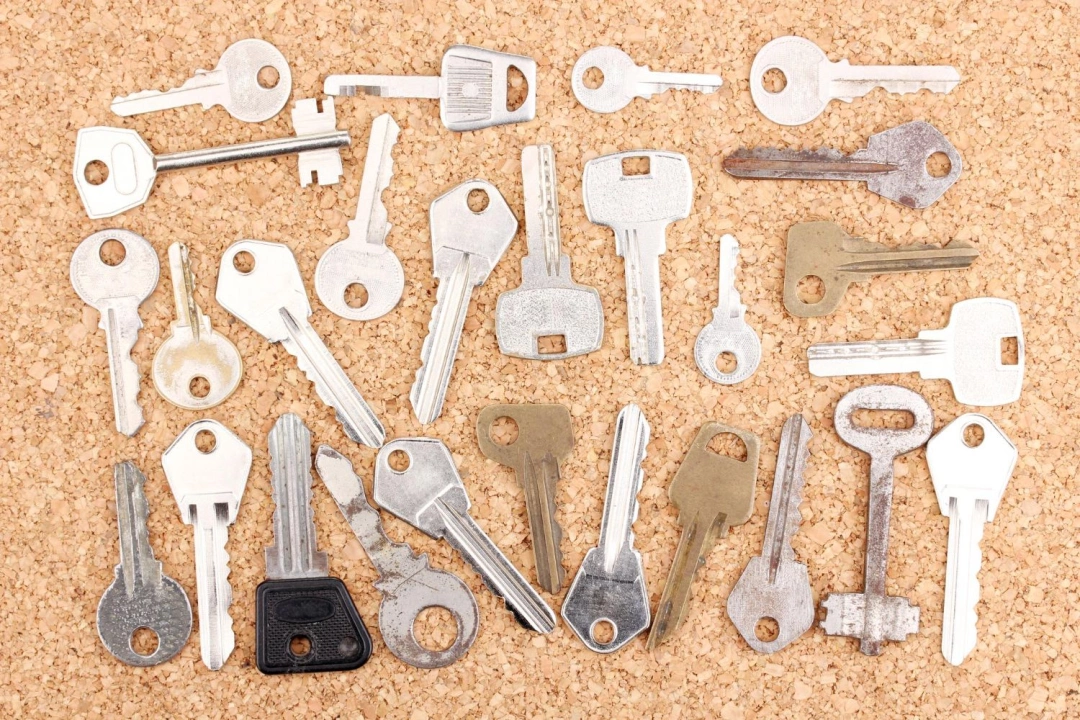
Key Cutting for Homes Businesses and Vehicles Explained
Key cutting is the process of making a new key by copying the shape and cuts of an existing one. It is commonly used for homes, businesses and vehicles, where having spare or replacement keys is important for safety, access and peace of mind.
While it may seem simple, key cutting can vary based on the type of key and the place it is used. From basic house keys to complex car or security keys, the process and tools needed can differ quite a bit. Understanding these differences helps you choose the right service for your needs. Knowing more about how key cutting works for different types of keys can help you save time and money. It can also make sure you do not end up with a poorly cut key that fails to turn in the lock. Whether you need an extra house key, a business security key or a replacement car key, it is worth learning the basics.
How Key Cutting Needs Differ Based on Where You Use the Key
Not all keys are the same. Keys for houses, shops or vehicles often need different equipment and skills. This section looks at how the purpose of a key affects how it should be cut and handled. Understanding the setting where the key will be used helps to choose the right kind of cutting method. Some environments need stronger security, while others focus more on quick access or ease of use.
Keys for the Home
Most house keys are standard types like Yale or mortice keys. These can usually be copied easily at a local key cutting shop. Homeowners may want spares for family members, visitors or in case they lose their main set. The cutting process for these keys is quite fast and affordable.
Keys for a Business
Businesses may use more secure keys that are harder to copy. These often belong to master key systems or restricted key ranges. For security reasons, some business keys can only be cut with proof of ownership or by approved locksmiths. This ensures better control over who can make duplicates.
Keys for Vehicles
Vehicle keys can be much more complex. Many car keys include electronic chips that need to be programmed to the car. Others have remote buttons for locking and unlocking. Key cutting for vehicles often needs special tools and software to work with the car’s system. It is also more expensive and can take longer.
Keys for Shared or Rental Properties
Landlords or letting agents may need to cut several copies of a single key for tenants or maintenance workers. In some cases, they use suited systems to control which keys open certain doors. This can make the key cutting process more technical and limited to specialist services.

Need assistance finding key cutting near you?
Get a QuoteWhat Makes Business and Vehicle Keys More Complex to Duplicate
Unlike standard household keys, business and vehicle keys often come with extra features that increase their security but also their complexity. This can include high-security designs, electronic elements or legal restrictions.
Business keys might be part of systems where one key opens many doors or where access is limited to specific staff. These master key systems must be copied with great care, and often only the original provider is allowed to make new keys. Some keys are even protected by patents to stop unauthorised cutting.
Vehicle keys often include transponder chips that talk to the engine’s system. If the chip is not present or is not programmed correctly, the car will not start. Some newer cars have keyless systems that need advanced programming. These types of keys cannot be copied with a simple machine and require proper coding equipment.
Because of these features, the process can take longer and may require booking an appointment with a trained locksmith or dealer. Prices can also be higher compared to regular key cutting because of the extra technology and time needed. There is also more risk involved if the key is copied incorrectly. For example, if a car key's chip is not programmed right, it could stop the vehicle from starting or even trigger a warning light. Business keys may fail to unlock secure areas if the key cut is slightly off. This is why more complex keys should only be handled by experienced professionals with the right tools and knowledge.
When to Use a Locksmith Instead of a Standard Key Cutting Service
While standard key cutting services are fine for basic copies, there are times when using a professional locksmith is the better option. This is usually true when the key is part of a complex or secure system or when there are extra problems like a broken key or a lock that needs repairing.
If your key has snapped in a lock or is worn down, a locksmith can remove it safely and make a new one based on the original design. They can also check if the lock is still working well and repair or replace it if needed.
For cars, a locksmith may be able to supply, cut and program a new key even if the original is lost. This can save you time and money compared to going to the main dealer. They can also help in cases where the key fob is damaged or the remote is not working correctly.
Locksmiths are also the right choice if you need advice on security upgrades. They can guide you on using better locks or access systems for your home or business, and make sure everything is installed properly. There may also be legal or insurance-related reasons to use a locksmith. Some locks and keys need to meet certain standards, and only locksmiths are trained to provide keys and locks that follow these rules. This is often the case for commercial properties, rented homes or high-value vehicles.
How to Make Sure the Right Key Is Being Copied Correctly
Getting a key copied may seem simple, but mistakes can lead to a key that does not work or fits poorly. Follow these steps to make sure you get an accurate copy of the right key. Even small differences in the key's shape can affect how it works. Paying attention to the details and choosing the right service can help avoid problems and save you from needing another replacement later on.
Check the Original Key’s Condition
If the original key is bent, worn or damaged, the copy will likely have the same issues. Try to use a key in good condition for cutting. If no good copy is available, a locksmith may still be able to make a working key using the lock or by using code information.
Use a Trusted Key Cutting Provider
Look for a provider with experience and the right equipment, especially for car keys or business systems. Shops that cut keys in bulk or without checking the key type may not provide the quality you need. Ask if the provider tests the key after cutting to make sure it works.
Label and Store Keys Carefully
After cutting, clearly label each key so it is easy to tell them apart. Store spare keys in a safe but easy-to-reach place. For business or rental use, keep a record of who has been given a copy. This helps with safety and makes it easier to manage keys in the future.
Test the Key Straight Away
Always test the new key in the lock or ignition before leaving the shop or using it for daily tasks. If there is any stiffness or trouble turning the key, it should be fixed right away. Do not wait until an emergency to find out a key does not work properly.
In this article: