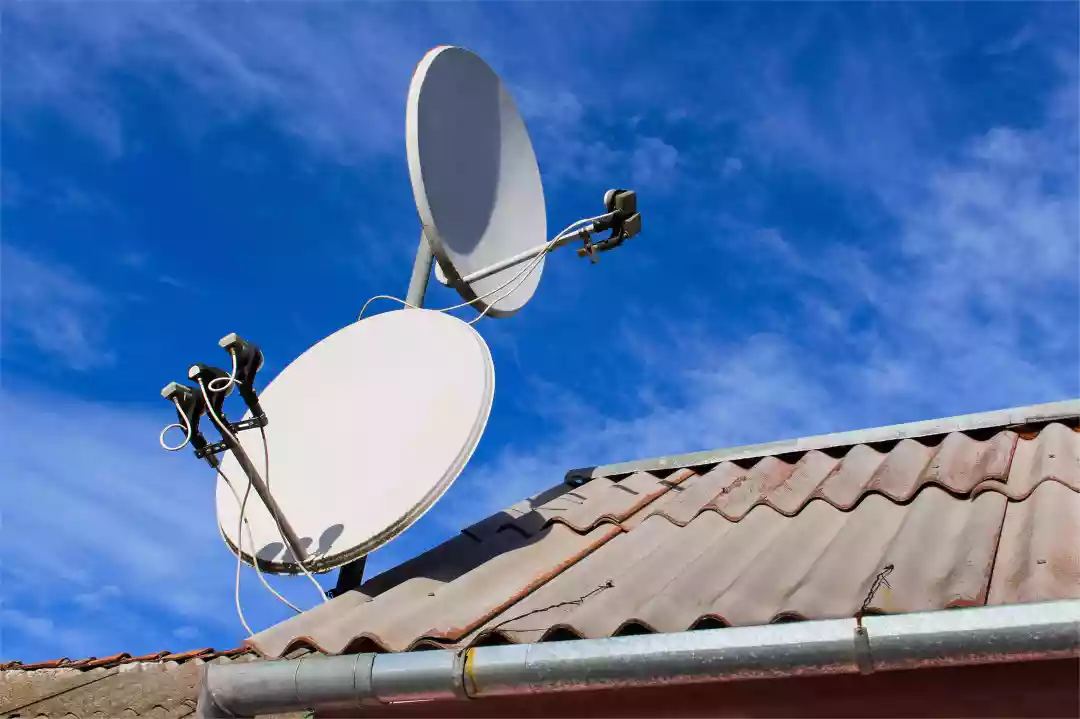
What type of aerial do I need for FM radio?
For the best sound quality on an FM radio, you should look at a good quality ‘dipole’ outdoor aerial. A dipole aerial provides the most consistent and reliable reception and is easily tuned to the broadcast frequencies. Depending on your location, you may need to have an amplifier or signal booster fitted in order to get the best signal. You can also use an indoor aerial, however, this may not provide the same level of reception.
If you're looking for an aerial specifically for digital radio, then you'll need to get a more sophisticated type. Digital radio has been rollout out across the country and this means that aerial requirements have changed. The best type of aerial for digital radio is a wideband DAB aerial, which is designed to work on all of the available frequencies.
How can I make my FM radio antenna stronger?
There are several ways that you can improve the strength of your FM radio antenna. Firstly, ensure that it is positioned in an ideal spot; preferably away from any heavily built-up areas. If possible, try to get it as high as possible in order to maximise the signal. It may also be beneficial to extend the antenna slowly, as obstructions can block the signal. Additionally, adding an amplifier or booster to your antenna setup can help to reduce signal loss, resulting in better reception.
You should also remember to check your aerial regularly for wear and tear and replace it if necessary. Poorly maintained aerials can easily break or become damaged, reducing their effectiveness. If you live in an area with a lot of interference; such as near airports, mobile phone masts or other FM transmitters, then you may need to use a directional shape antenna in order to reduce this interference. This type of antenna points the signal in one direction, allowing you to receive a stronger and clearer signal.
Need assistance finding television, satellite & radio aerials near you?
Get a QuoteWhat is the likely cause of poor FM radio reception?
Poor FM radio reception can be caused by a number of different factors. Firstly, your aerial may not be suitable for the frequency of your radio station; meaning that it needs to be replaced. It could also be that your aerial is not positioned in an optimum place, or that there are obstructions between it and the transmitter; such as trees, buildings or hills.
Bad weather can also affect FM radio signals; with heavy rain, sleet or snow being particularly disruptive. Finally, there could be other external sources of interference impacting the signal, such as power lines, electrical appliances or even other FM transmitters. If you suspect any of these causes are responsible for your poor reception, then it may be worth investing in a better aerial or signal booster.
Why is my digital aerial not picking up channels?
If your digital aerial is not picking up channels, then there could be a few different reasons for this. Firstly, you may need to reposition the aerial in order to pick up the strongest signal. Alternatively, the aerial itself may be faulty or outdated; resulting in poor reception. In this case, you will need to replace it with a more up-to-date model.
It could also be that the connector cable is corroded or frayed, as the signal may not be able to travel along it properly. If the cable has reached the end of its life then it will need to be replaced. Additionally, external interference sources, such as mobile phone masts or power lines, can interfere with reception and should be avoided if possible.
Can electricians do aerials?
Yes, electricians can usually install aerials on a property, provided that they have the correct qualifications. They will be able to advise on the type of aerial that would be best for your home and can keep up to date with the latest technologies and regulations. As well as installing the aerial itself, they will often also be able to install additional outlets around the property; allowing you to watch TV in multiple rooms.
The electricians will be able to provide an expert opinion on the best way to set up your aerial system, as well as provide advice on any maintenance required. Generally, it is often best when employing an electrician to do your aerial installation as they should have full accreditation and be insured. This means you can be assured of a professional and safe job.
In this article: