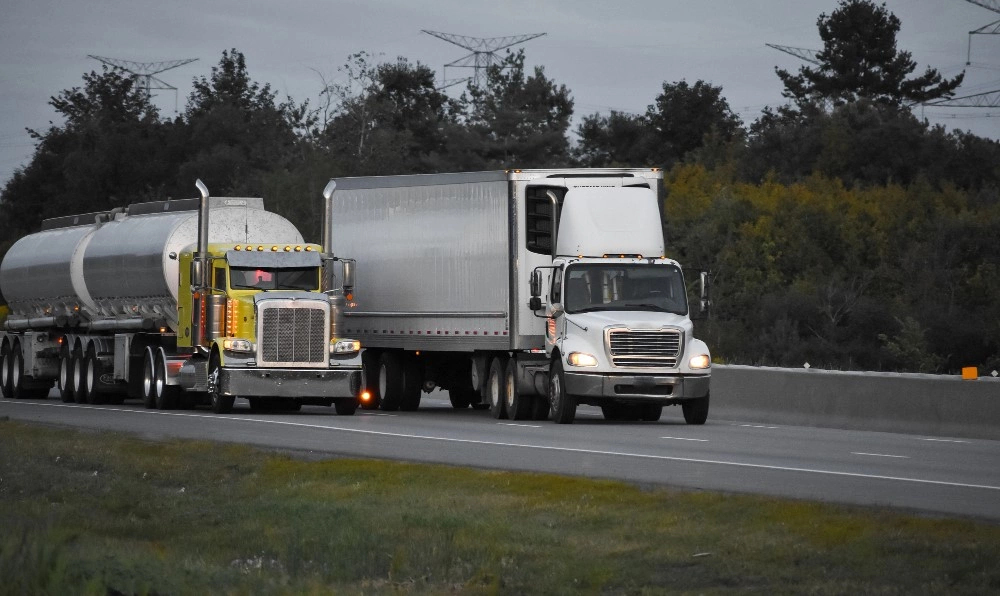
Choosing the Right Commercial Vehicle Insurance for Your Business
Choosing the right commercial vehicle insurance is an important task for any business that relies on vehicles to complete jobs, make deliveries, or transport staff and tools. If your company uses vans, lorries, or cars as part of its daily operations, having proper insurance in place is vital.
Without it, one accident, theft, or even a breakdown could stop your business in its tracks. That means lost time, unhappy customers, and unexpected costs. With the right policy, though, you’ll have support when things go wrong and peace of mind every day.
This article will guide you through how to choose the right cover by helping you understand what types of insurance are available, what your business actually needs, and how to get the best value from your policy without spending more than you need to.
Know What Type of Cover Your Business Actually Needs
Every business is different, so the type of commercial vehicle insurance you choose should match how your business uses its vehicles. You don’t want to pay for cover you don’t use, but you also don’t want to be left without the right protection when you need it.
Third Party, Fire and Theft, or Fully Comprehensive
The three main levels of insurance are third-party only, third-party fire and theft, and fully comprehensive. It’s important to understand the difference before choosing one.
Third party only is the minimum cover required by law. It protects other people and their property if you cause an accident, but it won’t pay for repairs to your own vehicle. This is usually the cheapest type of cover.
Third party, fire and theft includes everything in third-party only and adds protection if your vehicle is stolen or damaged by fire. This is useful if your vehicles are parked in public places or used in areas where theft is more common.
Fully comprehensive gives the highest level of cover. It protects you against damage to your own vehicle, even if the accident is your fault. It also includes all the other cover levels and may come with added extras such as windscreen repair, breakdown assistance, or a courtesy vehicle.
Think about your vehicles’ value and how important they are to your work. If they are expensive to replace or your work would stop without them, fully comprehensive might be the best option.
Cover for Tools, Goods or Equipment
Many business vehicles carry more than just people. If you transport tools, stock, or expensive gear, check that your insurance protects these items. Most basic policies don’t include cover for goods in transit or tools stored overnight in the van.
You can often add this as an extra feature, or buy it as a separate policy. Be sure to look at the claim limits, any conditions like where the vehicle must be parked, and whether theft from the vehicle is covered if there’s no sign of forced entry.
This is especially important for trades like plumbing, electrical work, or building, where the cost of lost tools can be very high.
Multiple Drivers and Business Use
Think about who drives your vehicles. If you have one or two regular drivers, naming them on the policy may save money. If you need flexibility for different drivers, look for a policy that allows any authorised driver or offers fleet insurance if you manage several vehicles.
Always make sure you declare the correct use for the vehicle. Business use is different from personal use, and using a vehicle for work under the wrong cover could void your insurance.

Need assistance finding commercial vehicle insurance near you?
Get a QuoteConsider the Risks Your Business Faces Day to Day
Your choice of insurance should reflect the actual risks your business faces. These risks vary depending on your location, the hours your vehicles operate, and what they carry.
For example, if your vans are often driven through cities or high-traffic areas, they may be at greater risk of accidents. If they are parked overnight in places without security, the risk of theft or vandalism may be higher.
Weather can also be a factor. Businesses working in rural or coastal areas might face flooding or icy roads, which increases the chance of accidents. If your vehicles cover long distances, you may want breakdown cover included to keep delays to a minimum.
By thinking carefully about the real-life challenges your vehicles face each day, you can choose a policy that covers the risks that matter most to your business.
Don’t Just Compare Prices, Compare the Details
When shopping for commercial vehicle insurance, price is an important factor—but it should never be the only one. Two policies might look similar, but the cheaper one could be missing key features your business needs.
Always read the policy details carefully. Look for what's covered, any exclusions, and the value limits on claims. Make sure to check the excess (the amount you pay towards a claim) and whether there are limits on who can drive the vehicle or where it can be used.
Some policies include useful extras like breakdown assistance, windscreen repair, legal support, or a replacement vehicle while yours is being fixed. These can save time and money if something goes wrong.
Make a list of the most important things your business needs in a policy. Use this list when comparing options, so you’re choosing based on value—not just on price.
Also look at customer reviews or ratings to see how insurers handle claims. A low-cost policy is no use if the company is slow to respond or refuses to pay out.
Make Your Policy Work Harder Without Overspending
You don’t always have to pay more to get better cover. With a few smart steps, you can make your commercial vehicle insurance work harder for your business while keeping costs down.
Raise Your Voluntary Excess
One way to lower your premium is to agree to a higher voluntary excess. This is the amount you pay if you make a claim. A higher excess usually means a lower premium, but you must be sure you can afford to pay it if needed.
This option is best for businesses that don’t claim often and have money set aside for emergencies. It helps reduce regular costs while still providing full protection when it matters most.
Improve Vehicle Security
Insurers like to see that you take vehicle security seriously. Adding alarms, immobilisers, and trackers can reduce the risk of theft and lower your premiums. Keeping vehicles in locked storage or secure car parks overnight can also help.
Using dashcams is another smart idea. They can provide clear evidence in case of accidents, which makes claims easier and faster to process. Some insurers may even offer discounts for businesses that use them.
Review Your Policy Each Year
Don’t let your insurance renew automatically without checking it. Your business may change from year to year—adding or removing vehicles, changing routes, or hiring new staff. Your cover should match your current needs, not last year’s.
Each year, take the time to compare new quotes and review your existing cover. You may find better deals or more flexible options. Even staying with the same provider, you can ask for a discount or talk about updating the terms.
In this article: