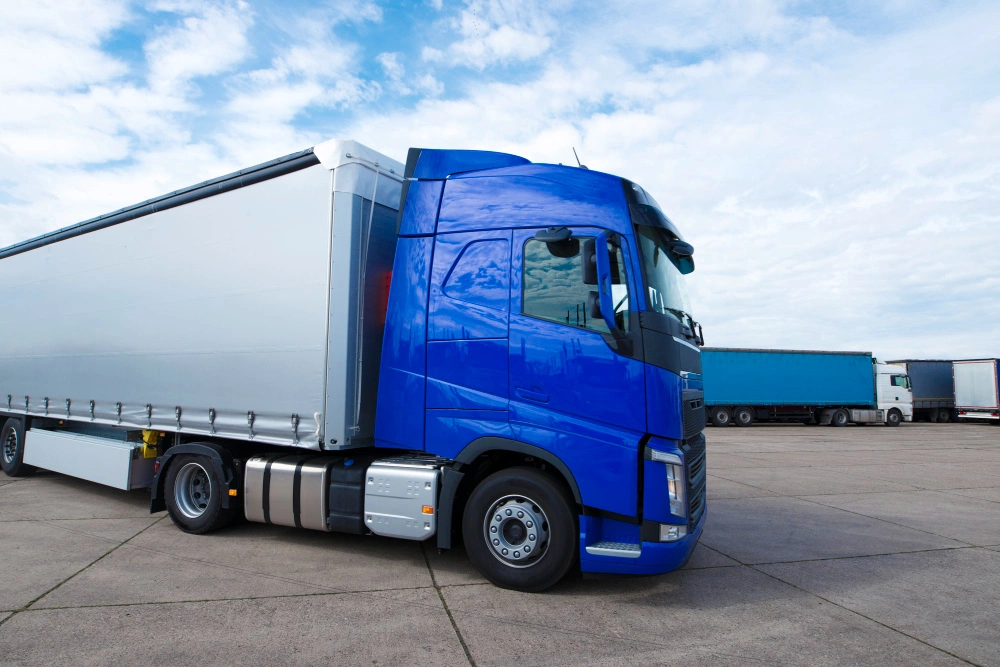
What Affects the Cost of Commercial Vehicle Insurance UK?
Commercial vehicle insurance is a legal requirement for businesses that rely on vehicles to carry out their daily operations. Whether you own a single van or a fleet of lorries, having proper cover in place is essential. It ensures that both your drivers and other road users are protected in the event of an accident or damage.
However, one of the most common concerns for business owners is how much this type of insurance will cost. The truth is that there is no fixed price for commercial vehicle insurance in the UK. The final premium you pay depends on several different factors, all of which are assessed by your insurance provider.
Knowing what affects the cost of your insurance can help you make informed choices. It also allows you to take certain steps that could lower your premium. In this article, we’ll explain the most common factors that influence insurance prices, explore how your business activities affect your costs, and offer tips to keep your premiums manageable.
The Main Factors That Influence Your Insurance Price
When applying for commercial vehicle insurance, insurers look at a range of details to assess the level of risk. These details can vary between businesses, which is why insurance prices differ even for similar types of vehicles.
Vehicle Specifications and Use
The make, model, engine size, and age of your vehicle all play a part in calculating the insurance price. Generally, more powerful or newer vehicles cost more to repair or replace, which means higher premiums.
Vehicles used for transporting goods, tools, or equipment also pose a greater risk. For instance, if your van carries expensive tools for plumbing or electrical work, it’s more likely to be targeted by thieves. This risk increases the cost of insurance, especially if no extra security is in place.
Annual Mileage and Journey Types
Insurance providers often ask for an estimate of how many miles your vehicle travels in a year. Higher mileage suggests greater exposure to road risks, such as accidents or breakdowns.
In addition to how far the vehicle travels, the types of journeys taken also matter. Driving mostly on motorways may be seen as safer than driving in busy city centres with heavy traffic and more chances of collisions.
Storage and Overnight Security
Where your vehicle is kept overnight is an important factor. Vehicles parked on a public road or in areas with high crime rates usually cost more to insure.
If you have a secure garage, use gates, or operate within a business park with restricted access, let your insurer know. These features can reduce your premium by showing that you’ve taken steps to lower the chance of theft or damage.

Need assistance finding commercial vehicle insurance near you?
Get a QuoteDoes the Driver’s Record Affect the Price?
The person behind the wheel has a big influence on the insurance price. Every driver listed on the policy will be considered, and their driving history can make a noticeable difference in the premium amount.
Drivers with clean records, no claims, and many years of experience are seen as lower risk. They are less likely to be involved in accidents, so insurers often reward them with lower prices.
By contrast, a driver with speeding fines, licence points, or past claims is seen as higher risk. This often results in a more expensive policy. In fact, even one driving conviction can increase premiums for several years.
Age is another factor. Younger drivers, especially those under 25, usually pay more due to their lack of experience. Adding older and more experienced drivers to your policy may help bring the costs down.
Some businesses choose ‘any driver’ policies for convenience, but these can be more expensive. If possible, it may be better to name specific drivers who have clean and strong driving records.
How Do Business Type and Industry Impact Costs?
The nature of your business plays a big role in determining your insurance price. Different industries carry different levels of risk, and insurers will want to understand exactly how your vehicles are used within your work.
For example, trades like plumbing, building, or electrical work usually involve transporting heavy tools or hazardous materials. These increase both the risk of theft and the cost of damage in the event of an accident. This means higher premiums are likely.
On the other hand, if your business only uses the vehicle to attend local meetings or visit a small number of clients each week, the risk is lower. In such cases, your insurance cost could be lower too.
Delivery services also come under close review. With many stops, long hours on the road, and tight deadlines, delivery drivers face higher accident risks. This can push up the price of cover, especially if delivery routes cover large cities or areas with heavy traffic.
Being honest about how your vehicles are used is essential. Giving the right information helps avoid issues if you need to claim and ensures your business is properly protected from the start.
Ways to Keep Your Premiums Manageable
Although insurance is a necessary cost, there are ways to keep your premium as low as possible. Many of these changes involve reducing risk or showing insurers that you are a careful driver and business owner.
Only Add Necessary Extras
Insurance policies often come with optional extras such as breakdown cover, replacement vehicles, or windscreen protection. While some of these may be useful, they also add to the cost.
Review your policy details carefully and remove extras that are not needed. This can make a noticeable difference to your yearly premium.
Consider a Telematics Policy
Telematics, or ‘black box’ insurance, uses a device to track how your vehicle is driven. It looks at things like speed, braking, and time of day when you drive.
If the data shows that your vehicle is driven safely and sensibly, insurers may offer lower premiums. This is a great way to reward good driving habits and could save your business money over time.
Improve Driver Training
Some insurance providers offer discounts to businesses that invest in driver training. Courses on road safety, fuel-efficient driving, and avoiding distractions can all make a difference.
Better-trained drivers are less likely to be involved in accidents. This not only keeps your insurance costs down but also improves safety for everyone in the business.
Build a History of No Claims
Every year that goes by without a claim can help lower your premium through a no claims discount. These discounts can build up over time and offer significant savings.
Encourage drivers to report minor issues and resolve them without making a claim if possible. This helps you keep your no claims record intact and makes your business look like a safer bet to insurers.
Review Your Policy Regularly
Don’t just renew the same policy year after year. Insurance prices can change, and there may be new providers offering better deals. It’s a good idea to compare quotes every 12 months before you renew.
Make sure your policy still matches your needs. If your business has changed, you may be able to switch to a cheaper policy with better cover options.
Also, update your insurer about any improvements, like added security or reduced mileage, so they can adjust your premium accordingly.
In this article: