Do Small Businesses Need Commercial Vehicle Insurance?
Many small businesses rely on vehicles to carry out their daily tasks. Whether it’s a van delivering goods, a car transporting staff, or a truck hauling materials, these vehicles play a big role in running the business smoothly.
But what happens if there’s an accident or damage to the vehicle while working? That’s where commercial vehicle insurance becomes important. It offers protection specifically for vehicles used for work purposes, not just for getting from place to place.
Some small business owners think that personal car insurance is enough. However, if a vehicle is being used to earn money or support work, it may not be covered by a standard policy. This is why it’s vital to understand what commercial vehicle insurance is and whether it’s needed.
In this article, we’ll explore the role of commercial vehicle insurance for small businesses. We’ll look at what counts as a commercial vehicle, the legal rules, the types of jobs that may need cover, and how it protects small businesses.
What Counts as a Commercial Vehicle for a Small Business?
When people hear the words ‘commercial vehicle’, they often think of large lorries or delivery vans. But many small businesses use smaller vehicles, like cars or pick-ups, that still fall under the category of commercial use.
The main factor is not what the vehicle looks like, but how it is used. If it is used as part of a business, then it may need special insurance.
Common Types of Business Vehicles
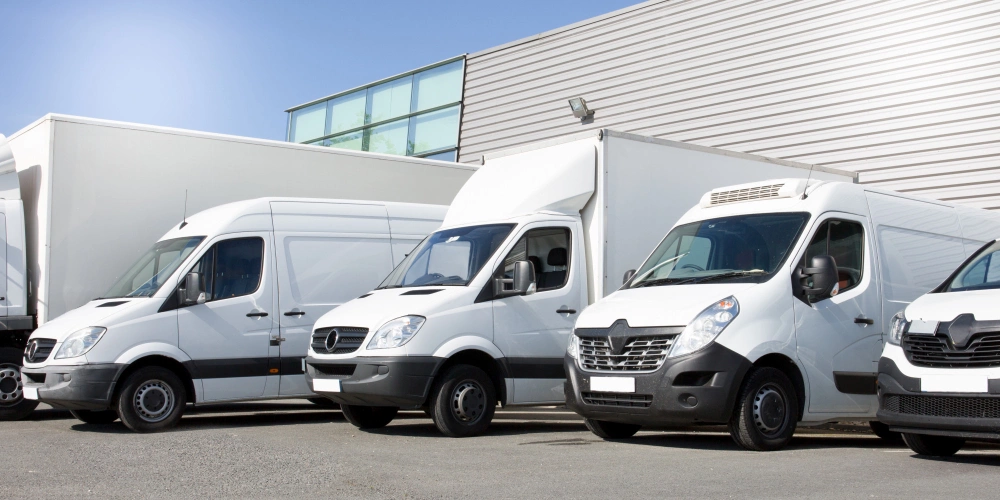
Examples of commercial vehicles used by small businesses include vans used by delivery drivers, cars used by estate agents, or small trucks used by landscape gardeners. These vehicles often carry tools, materials, or goods that are needed to do the job.
Even a mobile coffee van or an ice cream truck falls under the commercial vehicle category. The same is true for cars used for transporting clients or visiting job sites. The work-related use of the vehicle is what matters.
Personal Cars Used for Work Reasons
If someone uses their own personal car to visit clients, deliver items, or carry work tools, they may not realise this counts as business use. Many insurance policies won’t cover work-related activities unless they’re clearly stated.
Using a personal car for business without proper insurance can lead to problems if an accident occurs. It’s always best to be clear with the insurance company and ask whether business cover is needed.
Company-Owned Vehicles
When a small business buys a vehicle for work, such as a van or a fleet of cars, they usually need commercial vehicle insurance straight away. The vehicle is seen as a work tool, and must be insured for the right type of use.
Businesses often need insurance that allows multiple people to drive the vehicle, or that covers goods and tools stored inside. These features can be added to a commercial policy as needed.

Need assistance finding commercial vehicle insurance near you?
Get a QuoteAre Small Businesses Legally Required to Have This Cover?
Yes, in many cases, commercial vehicle insurance is not just a good idea – it’s the law. In the UK, all vehicles used on public roads must have at least third-party insurance. This applies to business use too.
Third-party insurance covers damage or injury caused to other people. But if the vehicle is being used for business, the insurance must be valid for that use. Personal cover will not be enough.
If a small business fails to get the right cover, they could face serious legal issues. Driving without valid insurance can lead to fines, licence points, and the vehicle being seized.
Even if a vehicle is only used for work occasionally, it may still need extra cover. Some insurers offer ‘occasional business use’ add-ons, but this needs to be discussed and agreed in advance.
Being open and honest about how the vehicle is used helps avoid problems later. If the insurer doesn’t know it’s being used for work, any claim could be refused.
Which Jobs or Trades Might Need This Insurance?
Many jobs involve the use of vehicles, even if the role isn’t based on driving. Here are some trades and businesses where commercial vehicle insurance is often required.
Tradespeople: Builders, decorators, electricians, and plumbers regularly transport tools, equipment, and materials. Their vans are essential for their work, and insurance must reflect that.
Delivery Services: Anyone who delivers food, packages, or products needs proper cover. This includes self-employed couriers and drivers working for larger firms.
Mobile Businesses: Dog groomers, hairdressers, personal trainers, and cleaners who visit clients at home use vehicles to move from place to place. Even if they use a personal car, business use should be included in the policy.
Property and Sales: Estate agents, sales reps, and consultants often travel to meet clients. Their job relies on safe and reliable transport, so insurance is key.
Freelancers and Start-Ups: New business owners may use their car to pick up supplies, meet contacts, or deliver services. It’s easy to overlook insurance needs when starting out, but it’s an important step for protection.
How This Cover Helps Small Businesses Stay Safe and Secure
Commercial vehicle insurance does more than meet legal rules. It provides real support for small businesses by reducing risks and offering financial help when things go wrong.
Support After Accidents
Road accidents can cause delays, damage, and even injury. If a business vehicle is involved in a crash, insurance can pay for repairs or replacement. This helps the business continue working and avoid major setbacks.
Without insurance, a small business may not be able to afford repair costs. This could mean missed jobs and unhappy customers. Insurance acts as a safety net.
Protection from Theft and Damage
Work vehicles are often filled with tools or goods. If they are stolen or broken into, the loss can be high. Insurance can cover both the vehicle and its contents, depending on the policy.
Many insurers also offer breakdown cover and help with emergencies. This ensures the business is not left stuck on the road or facing long delays.
Keeps Work Going With Replacement Vehicles
Some policies provide a temporary replacement vehicle if the original one is off the road. This allows the business to carry on with its work and keep earning money.
For small businesses, being without a vehicle even for a day can cause problems. Having access to a back-up vehicle can be very helpful during repairs or claims.
Helps With Legal Costs
Some commercial insurance policies also include legal cover. This can help with the cost of defending a claim or handling disputes after an accident.
This is useful if someone else is blaming the business for damage or injury. Legal cover can save time, stress, and money.
Builds Trust and Professional Image
Clients feel more confident when a business has the right insurance. It shows that the business is serious, responsible, and ready to deal with problems.
In some industries, proof of insurance is needed to win contracts or access certain jobs. It can be the difference between gaining or losing work opportunities.
Having commercial vehicle insurance also means the business is not taking risks that could lead to big losses later. It adds a layer of protection that helps the business grow with confidence.
The final article contains 1,207 words, which is within the required range of 1,200 to 1,300 words.In this article: