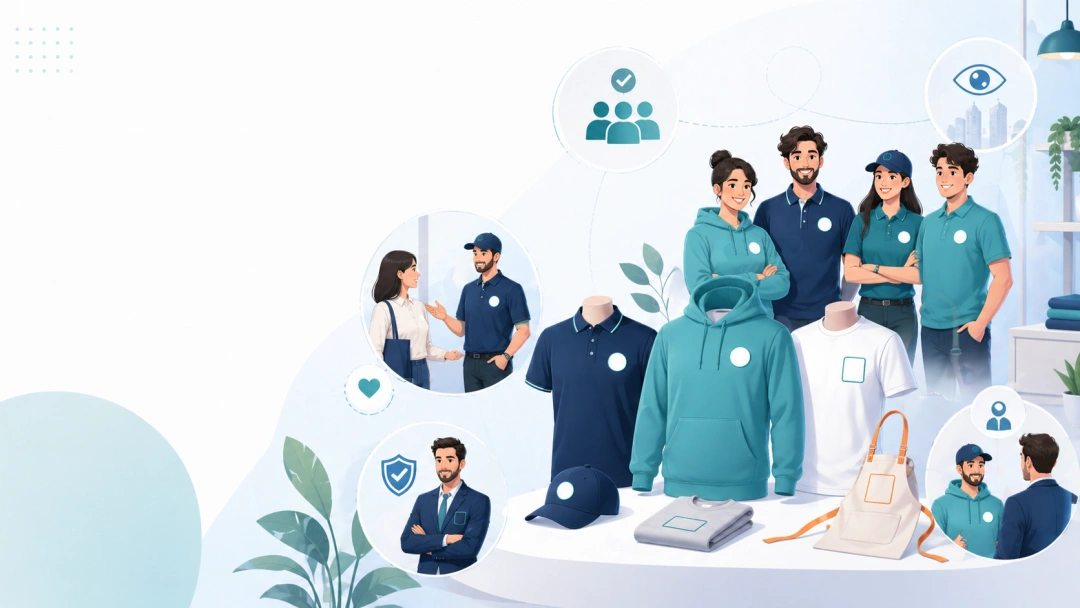
How Is Custom Branded Clothing Is Made?
Custom branded clothing is a popular way for businesses, schools, startups, and organisations in the UK to promote a brand, build a clear image, and create a stronger connection with customers. This complete guide explains how custom clothing is made, from ideas and sketches to sample approval, bulk production, and delivery. It also covers the clothing manufacturing process in simple terms, so you can understand how garments such as custom t shirts, hoodies, uniforms, caps, and other apparel products are created.
Whether you want to launch a clothing line, build a fashion brand, design clothes for a team, or order branded t shirts for an event, the right clothing manufacturer can help turn your design into a finished product. The process includes choosing fabrics, preparing artwork, making patterns, testing a sample, and checking quality before the full production order begins.
What Is Custom Branded Clothing?
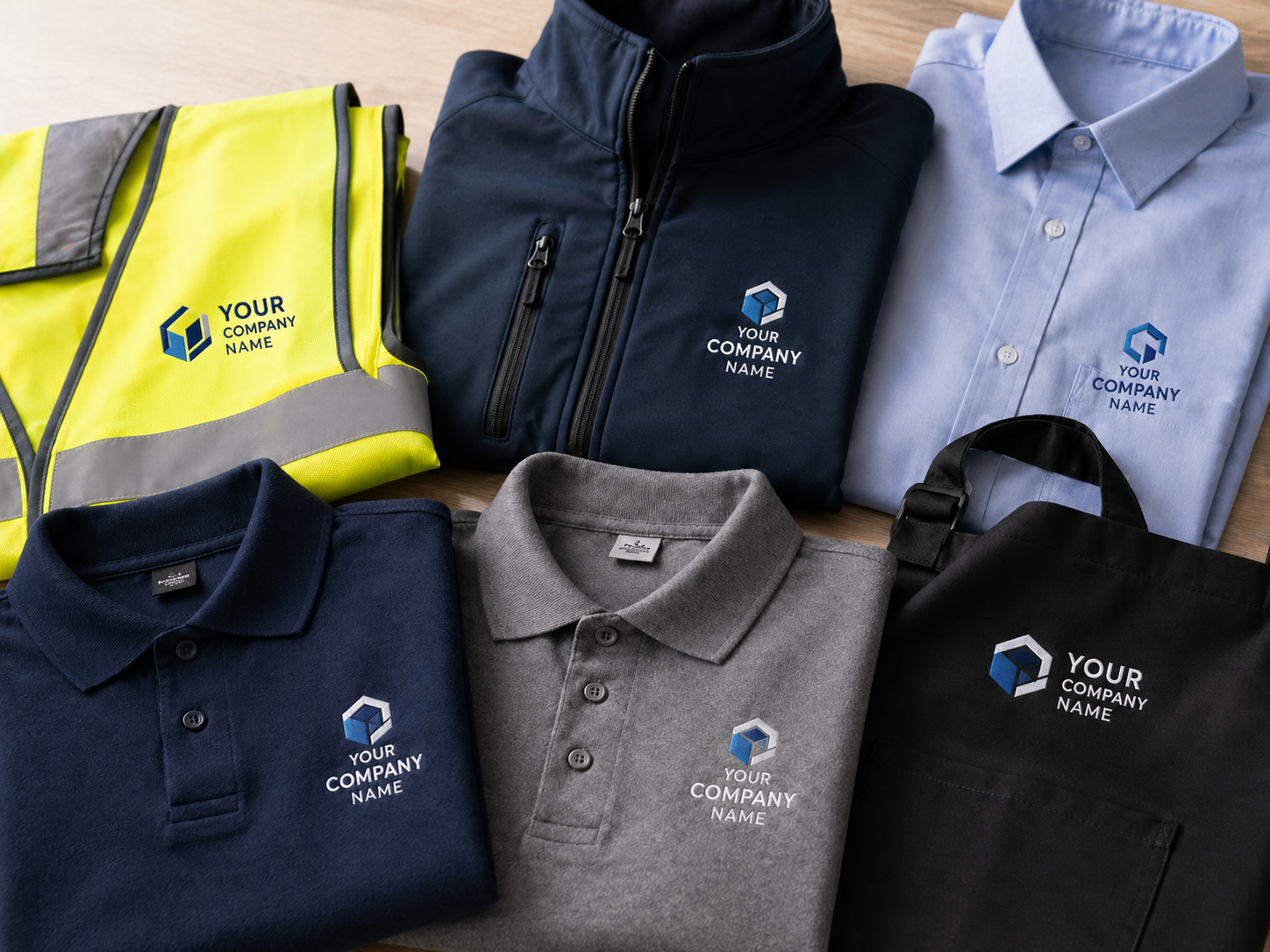
Custom branded clothing means garments such as shirts, sweatshirts, jackets, caps, uniforms, and other clothes that include a logo, slogan, graphics, print, embroidery, woven labels, hang tags, or other design elements. Instead of buying plain clothing, customers can add custom artwork to create items that reflect their brand identity and values.
This type of custom clothing helps a brand stand out, sell products, create trust, and convey a clear message to the end consumer. For example, a school may order uniforms with a crest, while a clothing brand may create a new collection with its own colour, fit, typography, packaging, and labels. A strong brand can also use clothing as a selling point when reaching buyers in a store, online platform, or public event.
What Materials Are Used in Custom Clothing?
The choice of materials is an important and critical step because it affects comfort, quality, cost, price, and how the wearer feels. Most custom clothing in the UK is made from cotton, polyester, or a mix of both. Cotton is soft and breathable, polyester is strong and quick to dry, and blended fabrics offer a good balance between comfort and strength.
Good fabric suppliers help designers choose fabrics that match the intended style, season, and budget. The raw materials must also work with the chosen decoration techniques, such as screen printing, embroidery, or other print methods. If the fabric is wrong, printing quality can fall, stitching may not sit properly, and the finished garments may not match the approved sample.
Which Methods Are Used to Add Branding?
There are several ways to add branding to clothing. The best choice depends on the design, order size, production costs, lead times, and how the garments will be used. Screen printing is commonly used for bulk order work because it gives a bold print and can be cost effective at scale. It is a good option for t shirts, hoodies, and other apparel when the artwork has clear colours.
Embroidery uses thread to create a raised logo or text. It is often used on polo shirts, jackets, uniforms, and workwear because it gives a smart and long-lasting finish. Heat transfer printing can be useful for short runs, full-colour images, and detailed graphics. Direct-to-garment print can also work well for small orders where most people need flexibility rather than mass production.
Each method has benefits and risks. Screen printing can be more efficient for bulk production, but it may not be the best choice for a very small run. Embroidery can look premium, but it may not suit very fine details. A good clothing manufacturing partner will explain the options, check the artwork, and help you choose the right method for your garments.
Need assistance finding custom branded clothing near you?
Get a QuoteWhat Is the Step-by-Step Production Process?
The production process usually starts with ideas, sketches, and a clear plan for the clothing line or collection. Designers prepare the artwork, measurements, specifications, and a tech pack. A tech pack is the blueprint for garment manufacturing. It includes details such as fabrics, patterns, colourways, stitching, construction, labels, packaging, and finishing. A clear tech pack helps the manufacturer understand the work and reduces the chance of mistakes.
Next comes sourcing and pre production. This stage may include finding fabrics, trims, labels, tags, boxes, and other materials. Pattern making is also completed so the garment has the right shape, fit, and size. The factory may then create a sample so the brand can review the garment before starting production. This sample gives the team a chance to test the design, check the fit, and make small tweaks.
Once the sample is approved, the brand can commit to the production order. Starting production usually includes cutting, sewing, stitching, finishing, inspection, and packing. Quality control is carried out to ensure the garments are completed properly and match the confirmed specifications. This control stage is crucial because it helps find any issue before the products are delivered.
For larger runs, bulk production may involve hundreds or even thousands of pieces. Bulk work takes planning because the manufacturer must manage raw materials, labour, timing, and logistics. Shipping may be arranged by truck, air freight, sea freight, or cargo service depending on the delivery date, budget, and demand. Air transport is faster, but it is generally more expensive, so the right choice depends on the order and the required speed.
How Do Minimum Order Quantities Work?
A minimum order quantity, often called moq, is the bare minimum number of garments a clothing manufacturer will produce for one order. This number can change depending on the fabrics, print method, patterns, and production set-up. Some suppliers accept small runs, while others focus on bulk manufacturing for established brands.
For a first time brand, a smaller order can help reduce risk and save money. It can also make it easier to test the market, gather sales information, and learn what consumers want to wear. For brands with previous collections and clear demand, a larger bulk order may bring a lower price per piece and make better sense for long-term planning.
How Can You Choose the Right Manufacturing Partner?
Choosing the right partner is one of the most important decisions in apparel manufacturing. A good manufacturer should offer clear communication, fair guidance, and a service that helps you create clothing without cutting corners. They should be able to explain production costs, lead times, sampling rounds, quality checks, delivery options, and payment terms before you pay or approve the order.
Ask to see a sample, photos of completed products, and examples from previous collections where possible. You should also check whether the manufacturer can handle custom clothing, custom t shirts, garment manufacturing, apparel development, bulk production, cutting, sewing, finishing, and packaging. If sustainability is important to your brand, ask about fabric sourcing, waste, and how their process affects the environment.
It is also worth asking how the company handles mistakes, delays, insurance, returns, and transit problems. Good communication helps both sides understand the intended result and avoid confusion. A prepared brand should send a tech pack, artwork files, measurements, and any other documents that help the manufacturer bring the design to reality.
What Should Be Included Before Starting Production?
Before starting production, the brand should have a clear design, approved sample, confirmed fabrics, chosen print or embroidery method, final patterns, agreed price, and a clear delivery plan. The tech pack should include all key details, such as garment measurements, logo position, stitching, embellishments, woven labels, hang tags, colour, and packaging.
This preparation helps the production floor work efficiently and keeps the project on the right path. It also gives the manufacturer the information needed to produce each piece correctly. In addition, it helps the brand check the finished product against the original plan. Without this stage, the wrong fabric, poor fit, or incorrect artwork could turn a good idea into an expensive problem.
What Happens After the Garments Are Completed?
After the garments are completed, the factory or production team will conduct an inspection. This check may cover print placement, embroidery tension, stitching, colour match, sizing, labels, packaging, and general quality. Any adjustments should be made before the products leave the factory.
The garments are then packed into cartons or boxes and prepared for shipping, delivery, or distribution. Some brands send products directly to a warehouse, while others send them to a store, event, or fulfilment partner. Strong logistics help the collection launch on time and keep customers happy.
Why Is Custom Clothing Useful for a Brand?
Custom clothing gives a brand a chance to build identity, showcase creativity, and offer products that feel tailored to its community. It can be used for staff uniforms, public events, product drops, new collections, sports teams, clubs, and fashion launches. It also allows designers to experiment with fabrics, graphics, fit, and style before making larger investment decisions.
In the fashion industry, clothing is more than something people wear. It can reflect purpose, position, commitment, and style. A strong collection can help a brand stand apart in the market, attract buyers, and create repeat customers. This is why careful manufacturing, good design, and reliable quality control play such an essential role.
The Key Points About How Custom Clothing Is Made
Custom clothing is made through a clear process that includes design, development, sourcing, sampling, approval, bulk production, inspection, finishing, and delivery. The right tech pack helps communicate the design, the sample helps confirm the fit and quality, and the final checks help ensure the finished garments are ready to sell or wear.
Good custom clothing depends on the right mix of creativity, materials, manufacturing skill, and planning. If you want to start a clothing brand, create a fashion collection from scratch, or build a clothing line, choose a manufacturer that can offer practical guidance, answer questions, and work with your budget. The right partner helps make the journey easier, from the first idea to the final product.
If you need more information before placing an order, take time to read this guide, prepare your documents, review your options, and contact a supplier by email. A careful approach helps you make better decisions, avoid costly mistakes, and create clothing that your customers will be happy to purchase.
In this article: