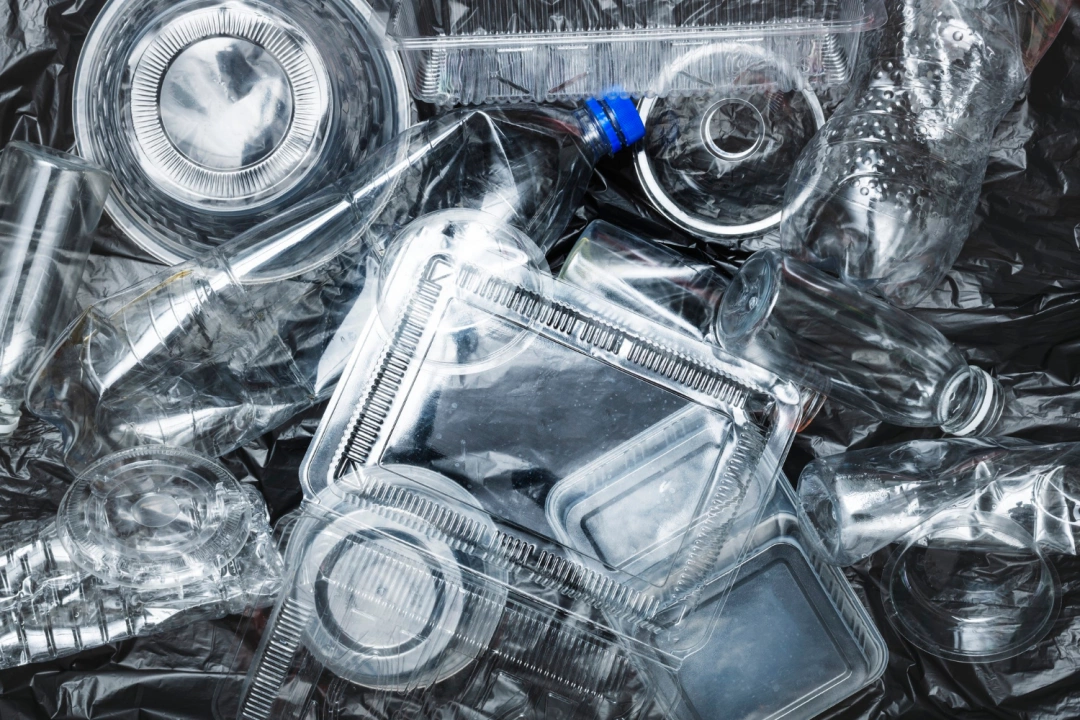
How to Set Up Commercial Recycling in a New Business Premises
Setting up recycling services is an essential part of opening a new business premises. It shows that your business cares about reducing waste, helping the environment and meeting legal responsibilities.
Recycling also helps you cut down on the amount of rubbish that ends up in landfill sites, which is better for both the environment and your public image. Many customers and staff members prefer working with businesses that take recycling seriously.
When you move into a new premises, it's the perfect time to put a plan in place. You can build recycling into your daily routine right from the start. This article will guide you through the steps needed to get a proper recycling scheme up and running.
What You Need Before Starting a Recycling Scheme
Before you start putting out bins and arranging collections, there are some important things to think about. This section covers the key steps to prepare your new business premises for a successful recycling service.
Understand Your Waste Types
First, you need to look at the kinds of waste your business will create. Each type of business produces different waste. An office may have mainly paper and plastic. A café might deal with food leftovers, tins, bottles and packaging. A shop may have cardboard boxes, soft plastics and customer waste.
Take time to list the common items your business will throw away. Think about deliveries, customer areas, kitchen waste and anything used daily. This list will help you decide which types of recycling bins and services you need.
Check Local Council Guidance
Every council in the UK has its own rules about business recycling. Some offer basic collections, while others require businesses to hire private companies. Councils can also tell you what can be recycled in your area and what must go to general waste.
Before you set anything up, contact your local authority or visit their website. You might be able to get support or free advice on starting your business recycling scheme the right way. Some councils also offer printed posters and stickers to help with labelling bins.
Appoint a Recycling Coordinator
It’s a good idea to name someone in your team as the recycling coordinator. This person will take charge of setting things up, ordering the right bins and making sure everything runs smoothly from day to day.
They do not need to be an expert, but they should be happy to talk with the recycling company and help teach staff what goes where. If you are a small business, the owner or manager might take this role themselves. In a bigger company, a facilities or operations manager might be a better fit.
Plan Your Budget
Recycling services do come at a cost, but they can also save you money by reducing the volume of general waste, which is often more expensive to dispose of. Costs will include things like bin hire, collection fees and any signage or training.
Make sure your recycling plan fits into your overall business budget. Getting price quotes from more than one provider can help you compare options and avoid overpaying for services you don’t need. Some waste management firms offer packages tailored to new businesses.

Need assistance finding recycling services near you?
Get a QuoteChoosing the Right Bins and Collection Services
Once you know what kind of waste you will have and your budget, the next step is picking the right bins and collection plans. This will help your staff sort rubbish correctly and make sure everything gets collected on time. Start by choosing the right size bins for your needs. If you have a small office with ten people, small bins near desks and a few shared larger bins in the kitchen may be enough. A large restaurant or factory may need big outside containers and daily collections.
Many recycling services offer bins in different colours for each waste type. For example, blue for paper, green for glass, red for plastics and brown for food waste. Labelling bins with clear signs and pictures also helps staff sort correctly without confusion. Think about where your bins will go. You’ll need bins near desks, kitchens, customer areas and outside for bigger collections. If bins are hard to reach or not visible, people might not use them properly. Bins should be in the right place for how your business operates each day.
Next, decide how often your waste should be collected. This depends on how quickly your bins fill up and how much storage space you have. Some businesses only need fortnightly collections, while others might need a daily pickup. Pick a plan that keeps your bins from overflowing and matches your opening hours. Lastly, always check that the company you hire is licensed. Ask them for proof that they are a registered waste carrier and will give you proper documents like waste transfer notes. These records protect your business and show you’re following the law.
Steps to Launch Your Recycling Setup Smoothly
Now that everything is planned, it's time to put your recycling setup into action. A smooth launch can make a big difference in getting your staff and visitors to follow the system properly from day one. Start by giving your team a short introduction to the new recycling scheme. Explain where the bins are, what goes into each one, and why recycling is important. You can hold a quick meeting, create a printed guide or send out an email with all the details.
It helps to use signs around the building that remind people what goes in which bin. Visual reminders with pictures and colour codes work best, especially in busy areas like kitchens or warehouses. The easier the system is to understand, the more likely people are to follow it. Check that bins are placed in useful spots. Staff should not have to walk far to find one. If bins are hidden or hard to reach, they are more likely to be ignored. Keep them clean, tidy and emptied regularly to keep the area looking professional.
After the first few weeks, review how the system is working. Are the bins being used correctly? Are there any problem areas where waste is being mixed up? Speak to your waste provider if you need to adjust your collection plan or add more bins. Stay flexible and make small changes if needed. Over time, your team will get used to the system. You might even find ways to increase the amount of waste you recycle or cut back on what you throw away altogether.
Common Mistakes When Setting Up Business Recycling
When launching a recycling scheme for your business, there are a few common mistakes that can slow you down or cause problems. Avoiding these will help you stay on track and get the best results from your recycling services.
Skipping Staff Training
Many recycling systems fail simply because staff do not know what to do. If people are unsure what goes into which bin, they may give up or just throw everything in general waste. This can lead to contaminated recycling, which may be rejected or result in extra fees.
Make sure you take time to explain the system to all staff. Use posters, team meetings and ongoing reminders to help people get it right. If your business has part-time or temporary workers, include recycling training in their first day welcome pack.
Choosing the Wrong Bins
If your bins are too small, too few or in the wrong place, they may fill up too fast or not get used at all. Overflowing bins can create mess and even health risks. They may also encourage staff to use the wrong bin just to get rid of rubbish quickly.
Always match your bin choice to your actual waste levels. Speak to your recycling company if you are unsure. They can often do a waste audit and recommend the right setup for your space and working hours.
Forgetting to Monitor Progress
Once a recycling system is in place, some businesses forget to check how it's working. But without regular checks, problems can build up over time. Bins may stop being used properly or collections may not keep up with your needs.
Make time every month to look at how your recycling setup is performing. Talk to staff, inspect bins and speak to your provider if anything needs adjusting. Small changes can keep your system working well and make sure your business meets its recycling goals.
In this article: