What Are the Benefits of Recycling for UK Businesses?
Recycling is more than just sorting paper and plastic. For UK businesses, it is a smart and forward-thinking way to handle waste, cut costs and build a positive image. As environmental concerns grow, companies are under more pressure to show they are acting responsibly.
Recycling helps businesses reduce their environmental footprint while improving daily operations. Whether you run a local shop or a national chain, putting recycling into your routine brings both short-term and long-term rewards. More than ever, customers, suppliers and staff are paying attention to how businesses deal with their waste. Taking simple steps to recycle can lead to cost savings, better relationships and stronger legal compliance.
This article looks at how recycling can benefit your business, from saving money and improving efficiency to meeting your legal duties and making a lasting impact on the planet. Businesses that adopt strong recycling habits not only help the environment but also gain practical advantages that support growth and stability.
Cost Savings and Operational Efficiency
One of the most immediate benefits of recycling is that it can save your business money. Waste disposal can be costly, especially if your business sends a large amount to landfill. Recycling helps reduce these costs and improves the way your business runs from day to day.
Lower Waste Disposal Costs
Landfill tax continues to rise each year, increasing the cost of disposing of non-recycled waste. By cutting down on general waste and boosting recycling, your business can reduce the number of collections needed and avoid these high charges. Many recycling services are cheaper than general waste collections. Materials like paper, cardboard, plastics and metals can often be collected for less, especially if sorted properly. This helps reduce the weight and volume of waste that would otherwise go to landfill.
For businesses that create large volumes of packaging or paper waste, the savings can be noticeable. Over time, the money saved on disposal can be redirected towards other parts of the business. These changes can also reduce the environmental fees often included in some commercial waste contracts.
More Efficient Use of Resources
Recycling encourages better use of resources. When staff know what can be reused or recycled, they are more careful about waste. This leads to smarter ordering, better stock control and fewer mistakes when handling materials. For example, reusing delivery boxes or choosing recyclable packaging helps reduce buying costs. It also lowers the amount of rubbish your business needs to manage, cutting back on bin space and collection needs. Companies that track material usage often find further ways to improve how resources are used.
Increased Revenue Opportunities
Some types of recyclable materials can be sold for profit. Metals, certain plastics, and electronics can be collected and sold to recycling firms, creating a small but helpful source of income. In industries such as food and manufacturing, recycled products can be used to create new goods. This reduces the cost of buying new materials and supports a cycle of reuse that benefits the business in the long run. Some companies even build entire business models around upcycled products or repurposed goods.
Improved Space Management
Recycling helps manage space by reducing the size and amount of general waste bins. Fewer bins mean clearer work areas, safer walkways and a tidier appearance overall. It also becomes easier to store items and move materials around. A clean and organised workplace often leads to better work standards and happier employees, which can improve overall performance. Freeing up space also allows businesses to use storage more wisely and avoid clutter that can slow operations.
Need assistance finding recycling services near you?
Get a QuoteImproved Reputation and Customer Trust
Customers are becoming more aware of environmental issues and often prefer to buy from businesses that show they care. A strong recycling plan can boost your reputation and help build trust with your audience. When customers see that your business is taking real steps to reduce waste, they are more likely to support you. Promoting your recycling efforts through signs, websites or product packaging shows that you are open and committed to doing the right thing.
This kind of action builds loyalty and can attract new customers who are looking for sustainable brands. A good reputation also makes it easier to work with partners and suppliers who share your values. Recycling initiatives can even be included in marketing efforts or corporate social responsibility reports. Staff also want to work for responsible employers. When your recycling policies are clear and easy to follow, your team feels more motivated and proud to be part of a business that cares about the future.
This can lead to better staff performance and lower turnover. Happy staff often talk positively about their workplace, helping your business attract new talent.
Meeting Legal and Environmental Responsibilities
In the UK, businesses have a duty to manage their waste properly. Following recycling laws and best practices not only keeps you within the law but also shows that your business is taking responsibility for its actions. This builds confidence with both customers and local authorities.
One key law is the Waste (England and Wales) Regulations 2011. These rules require businesses to follow the waste hierarchy, which means reducing, reusing and recycling before considering disposal. Not following this can result in fines or other penalties. Recycling helps your business stay compliant while also contributing to wider environmental goals. It supports the UK’s aims to reduce landfill use, cut carbon emissions and protect natural habitats.
These goals are part of international climate targets that many businesses are now expected to support. Having a clear recycling system can also help your business meet conditions for licences, grants or industry awards. Some contracts, especially with government or large firms, require proof that your business handles waste correctly and responsibly.
By showing you take these duties seriously, you also show respect for the community and the environment. This kind of action is becoming more important as society looks for stronger climate and sustainability leadership. Transparent waste reporting and green certification can help demonstrate this commitment publicly.
How to Maximise the Impact of Business Recycling
To get the most out of recycling, it needs to be part of a full plan that includes staff, suppliers and waste partners. With clear steps and regular reviews, your business can make recycling easier, more effective and more rewarding.
Set Clear Goals and Track Progress
Start by setting realistic goals for your business. These could include reducing waste by a certain amount, increasing recycling rates or changing how specific materials are used. Clear goals give your team something to aim for and make it easier to measure progress.
Use tools like checklists, digital trackers or monthly reports to see how your business is doing. This helps highlight areas that need improvement and shows where your efforts are working well. Small changes, when tracked over time, can lead to big results. Involve management teams in reviews and set targets that align with wider business aims. This helps ensure recycling goals are not just isolated efforts but linked to company-wide improvements and reporting.
Train Staff and Involve Everyone
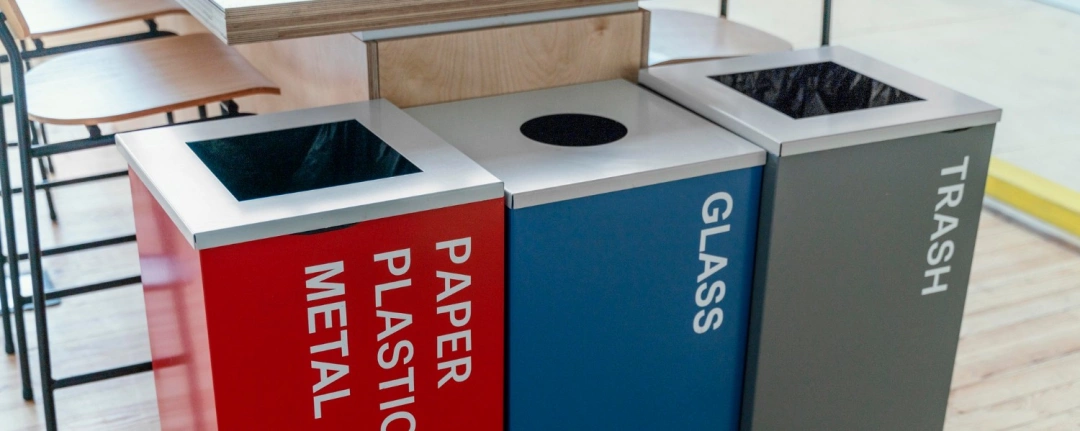
Recycling works best when everyone understands what to do. Provide training that explains what items go in each bin and why it matters. Use clear labels and colour-coded signs to guide staff during busy work hours. Encourage staff to share ideas and take part in recycling projects. You could even create a team to lead recycling efforts and suggest new ways to improve. Celebrating success with small rewards or shout-outs can keep staff engaged and motivated.
Make recycling part of the business culture by including it in staff meetings, internal newsletters or onboarding sessions for new hires. This keeps it fresh in people’s minds and shows the business values everyone’s role.
Work with a Trusted Waste Provider
Partnering with a reliable recycling company makes a big difference. Look for providers that understand your business and offer tailored services. They should give regular updates, offer advice and help you follow the latest rules and standards. Ask for regular performance reports to see how much is being recycled and where improvements can be made. A good provider will work with you to find smarter ways to cut waste and save money.
Check your contract each year to make sure you are getting good value. As your business grows or changes, your recycling needs may also change. Keeping your plan up to date ensures your recycling stays effective and efficient. Some providers also offer workshops or updates on changes in recycling rules to keep your business informed.
In this article: