
Is Business Interruption Insurance Right for Your Type of Business?
Business interruption insurance is a form of protection that helps a business when it can’t operate normally because of certain problems. These might include a fire, flood, theft, or major equipment failure. When the business has to stop trading, this insurance can help cover the loss of income during that time.
This type of insurance is usually added to a business or property policy. It is not something all businesses need, but for many, it can make a big difference during difficult times. Whether or not it’s right for you depends on how your business runs and the risks it faces.
In this article, we’ll explore what types of businesses are more likely to benefit from business interruption insurance, why low-risk businesses may still want to consider it, and how to choose a policy that fits your needs. By the end, you should have a clearer idea of whether this cover is something worth adding to your plan.
Why Some Business Types Face Higher Interruption Risks
Some types of businesses face greater risks that could force them to stop operating. These risks may come from outside forces like weather or inside the business, like broken equipment or staff shortages. Knowing which businesses are more at risk helps highlight when this cover becomes more essential.
Retail and Hospitality Businesses
Shops, cafés, restaurants, salons, and hotels rely on their physical space. If their premises are damaged or become unsafe, they can’t serve customers. A burst pipe, kitchen fire, or local power cut can cause days or weeks of closure.
Because these businesses depend on regular customer visits, even a short closure can lead to a sudden drop in earnings. Business interruption insurance helps cover fixed costs like rent, electricity, and staff wages, even if there’s no income coming in. This kind of support is often what helps a business survive the period of downtime.
Manufacturing and Storage-Based Businesses
Businesses that produce or store goods often depend on machines, stock, and reliable supply chains. If a machine breaks down or there’s a power cut, everything might stop. Any delays in production can mean lost clients or cancelled orders.
These businesses also need space to work in. If a warehouse or production site is damaged, it might take months to replace or repair. Interruption cover can help with the lost income and extra costs needed to rent machines or store goods elsewhere.
High-Risk Locations
Some areas face more weather issues like flooding, storms or even local crime. If your business is based in such a place, there’s a bigger chance of needing to shut down for safety reasons or repairs. A policy with business interruption cover can help you recover quickly without draining your finances.
Sometimes it’s not even your own building that’s the problem. If the business next door has a fire or the council blocks off the road, you might not be able to open. Some interruption insurance policies cover this too, especially if your business depends on customer access.
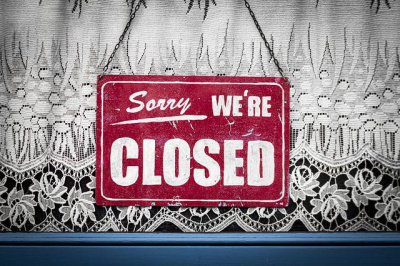
Need assistance finding business interruption insurance near you?
Get a QuoteWhen Interruption Cover Is Still Useful for Low-Risk Businesses
You may think you don’t need this kind of cover if your business is low-risk, like an online or home-based service. However, unexpected issues can still stop you from working. Just because your business isn’t in a flood zone or doesn’t use machines doesn’t mean you’re fully protected.
Office-based businesses can be affected by things like fire, water damage, or power failure. If your rented building is closed or internet is down, you may not be able to work or serve clients. For businesses that deal with meetings, emails, and documents every day, even one lost week can hurt financially.
Home-run businesses face similar risks. A fire or broken computer could stop your work for days. Some policies even include cover for being denied access to your workspace or for tech breakdowns. If your work depends on your laptop and you have no backup, your income is at risk.
Also, think about client trust. If you miss deadlines or cancel projects, your reputation could be harmed. Cover that helps you bounce back quickly not only protects your money but also helps keep your good name.
What to Check Based on How Your Business Operates
To decide if interruption cover suits you, think about how your business works each day. Every business is different, so the cover should reflect your setup and risks. These are some of the most useful things to check:
1. Business Location
Do you rely on a physical space, like a shop, salon or office? If yes, damage or loss of access could force you to shut. In these cases, this insurance is very useful. If you work from home, you may still need cover depending on how important your home setup is.
2. Equipment and Tools
Does your business need special machines, devices, or stock? If those are lost or damaged, would you be able to carry on working quickly? Interruption cover gives you time to get those things replaced while still being supported financially.
3. Working from Elsewhere
If you could keep working from another place, like a co-working office or a family member’s home, your risks may be lower. But if switching locations would take time or cost money, cover could help ease that stress and allow a quicker switch.
4. Ongoing Bills
Just because the business stops, that doesn’t mean your bills do. You’ll likely still need to pay rent, wages, phone bills and other regular costs. If income stops suddenly, this kind of cover fills in the gap.
Matching the Right Policy to the Way You Trade
Not all policies are the same. You need one that matches how your business earns money, spends money, and operates day-to-day. Think about these points when choosing cover:
Match Income Cycles
Some businesses earn steadily each month. Others earn mostly during certain times of the year. Your policy should reflect this. Look for policies that offer seasonal increases to your cover limit if needed. For example, if December is your busiest month, make sure that’s considered in the cover amount.
Cover for Extra Costs
Sometimes keeping the business going during a problem means spending more than normal. Maybe you need to rent space, hire a machine, or bring in extra help. Policies that include increased cost of working will help with these extra expenses. If your policy doesn’t include it, ask if it can be added.
How Long the Cover Lasts
Most policies only pay for a set time. This is called the indemnity period. You can choose 12, 18 or even 24 months. Think about how long it would take to repair damage, reorder stock or return to full trading. Choosing a longer period means you’re protected for more of the recovery time, not just the early days.
Also, remember to review your policy every year. Your business may grow or change, and your cover should match that. Keeping your insurance updated is just as important as choosing the right one in the first place.
In the end, business interruption insurance is not just for big companies. It can help shops, offices, online services, and home-based businesses alike. It protects your income when problems happen and helps you keep going without too much stress. With the right policy in place, you can feel more prepared for whatever comes next.
In this article: