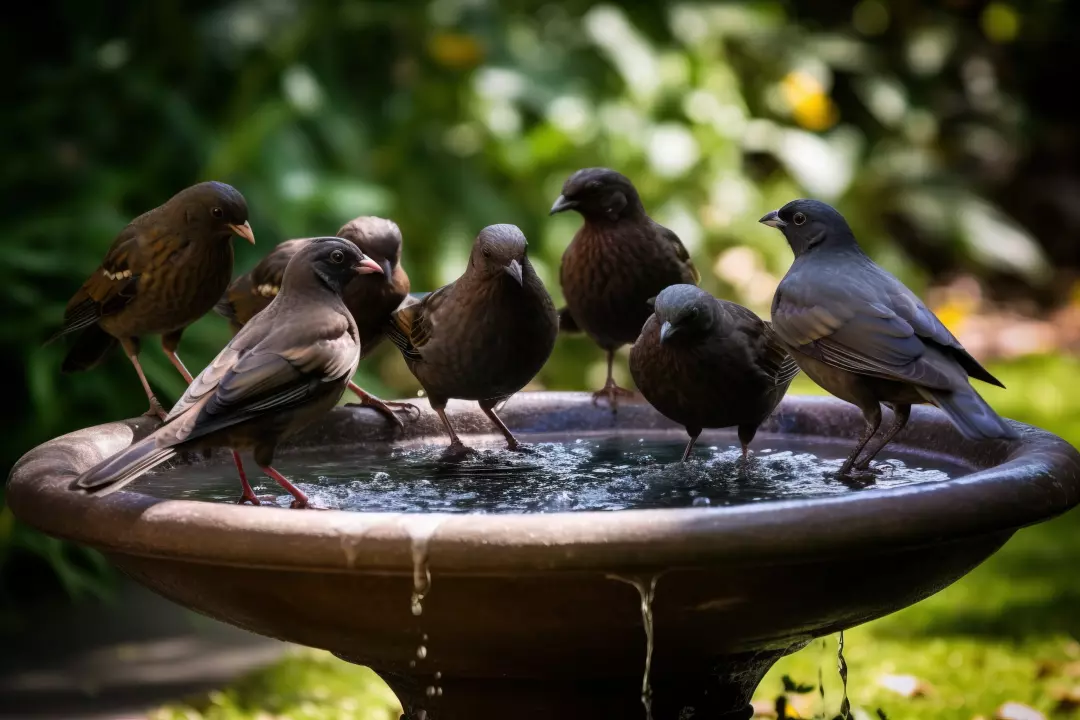
Is It Expensive To Run a Water Feature?
Adding water features to your garden is a great way to create a calming, attractive outdoor space. But many people wonder, “Is it expensive to run a water feature?” The answer depends on various factors, such as electricity consumption, water usage, construction expenses, and regular maintenance. With the right plan, you can enjoy the benefits without breaking the bank.
How Much Electricity Does a Garden Water Feature Use?
The main source of electricity costs for water features is the water pump. The pump is responsible for keeping the water circulating, aerating pond water, and maintaining water clarity. The wattage of the pump is crucial because it dictates how much electricity is consumed. A pump typically uses anywhere from 75 to 400 watts per hour, depending on the size and flow rate. Running one for 8 hours per day could use 600–3200 watts of power per month, or 0.6–3.2 kilowatt hour (kWh) per day.
Smaller pumps or self contained units tend to use less electricity, while bigger water features or those with intricate designs often require more electricity and higher power consumption. If you are worried about how much electricity your feature uses, check the wattage and calculate the estimate of your monthly bill.
Ways to Reduce the Cost to Run a Water Feature
Fortunately, there are several ways to reduce the cost of running a garden water feature:
- Efficient pumps: Installing energy-saving pumps can lower power consumption dramatically. Some newer pumps use as little as 25 watts per hour.
- Timers: Installing a timer allows you to run the pump only when needed, such as during the hottest parts of the day, reducing unnecessary electricity use.
- Solar powered pumps: These rely on the sun to generate energy, meaning no electricity costs and a more cost effective way to run a water feature.
- LED lighting: If you use lighting at night, switching to LED options will save energy and reduce expenses in the long run.
- Regular maintenance: Keeping the pump, filter, and water clean helps prevent algae growth, algae buildup, and dirty water, all of which can lead to costly repairs.
Construction and Installation Costs
If you are starting from scratch, water feature installation will involve purchasing materials, tools, and possibly hiring professional services. Installation costs depend on the size, design, and type of feature—whether it is a water fountain, waterfall, streams, bird bath, or a large pond. Always get multiple quotes to establish the average price in your region and find a solution that suits your budget. Remember, the work required and project design will influence the total cost of running the feature in the long run.
Need assistance finding pond and water features near you?
Get a QuoteWater Usage and Ongoing Maintenance
Water usage is another factor that affects the cost to run a water feature. Features lose water due to evaporation, filling, and draining during cleaning. Regularly replacing water helps maintain water clarity, prevents algae growth, and keeps fish and plants healthy in a pond or water garden. If ignored, dirty water can damage pumps and filters, leading to replacements or costly repairs.
On average, replacing water costs about 3 pence per litre in the UK, which can add up if you have a large pond. For smaller features such as a bird bath or compact fountain, expenses are much lower and easier to manage.
Other Factors That Affect the Cost of Running a Water Feature
When calculating how much does it cost to run a water feature, you should consider:
- Size and design: Bigger water features and intricate designs will naturally cost more to install, maintain, and run.
- Flow rate and pump wattage: Higher flow rates require more powerful pumps, increasing energy consumption.
- Lighting and night-time use: Lighting adds to electricity consumption, but LED options help reduce expenses.
- Maintenance: Regular maintenance prevents costly repairs and keeps the feature efficient.
- Location and climate: In warmer regions, more evaporation means higher water usage and filling needs.
- Regulations: Some areas may have water usage regulations, especially during drought conditions, so always check with your local authority.
Will Running a Water Fountain Cost You Much?
In most cases, the cost of running a water fountain or other water features is manageable. The actual cost depends on the pump, electricity use, water usage, and maintenance habits. With efficient pumps, solar powered options, and smart planning, you can reduce expenses and enjoy your garden water feature use without worrying about high bills.
The cost of running a feature typically makes sense if you value the benefits it offers, such as adding life, movement, and beauty to your garden. A well-maintained fountain or waterfall provides circulation, aerates pond water naturally, and can enhance your home environment without excessive expenses.
Expensive of Running a Water Feature: Final Thoughts
So, how much does it cost to run a water feature? The figure will vary, but with the right installation, smart energy choices, and regular maintenance, you can keep costs lower. A garden water feature can be cost effective, especially if you use smaller pumps, timers, or solar powered systems. While there are expenses involved, the importance of planning and making the right choices ensures you can enjoy your feature without worrying about breaking the bank.
In the end, whether it’s a simple bird bath or a large pond with waterfalls and streams, water features offer a great benefit to your garden. If you plan carefully, invest in efficient products, and maintain them properly, you’ll find that the cost to run a water feature is not as expensive as many people expect.
In this article: