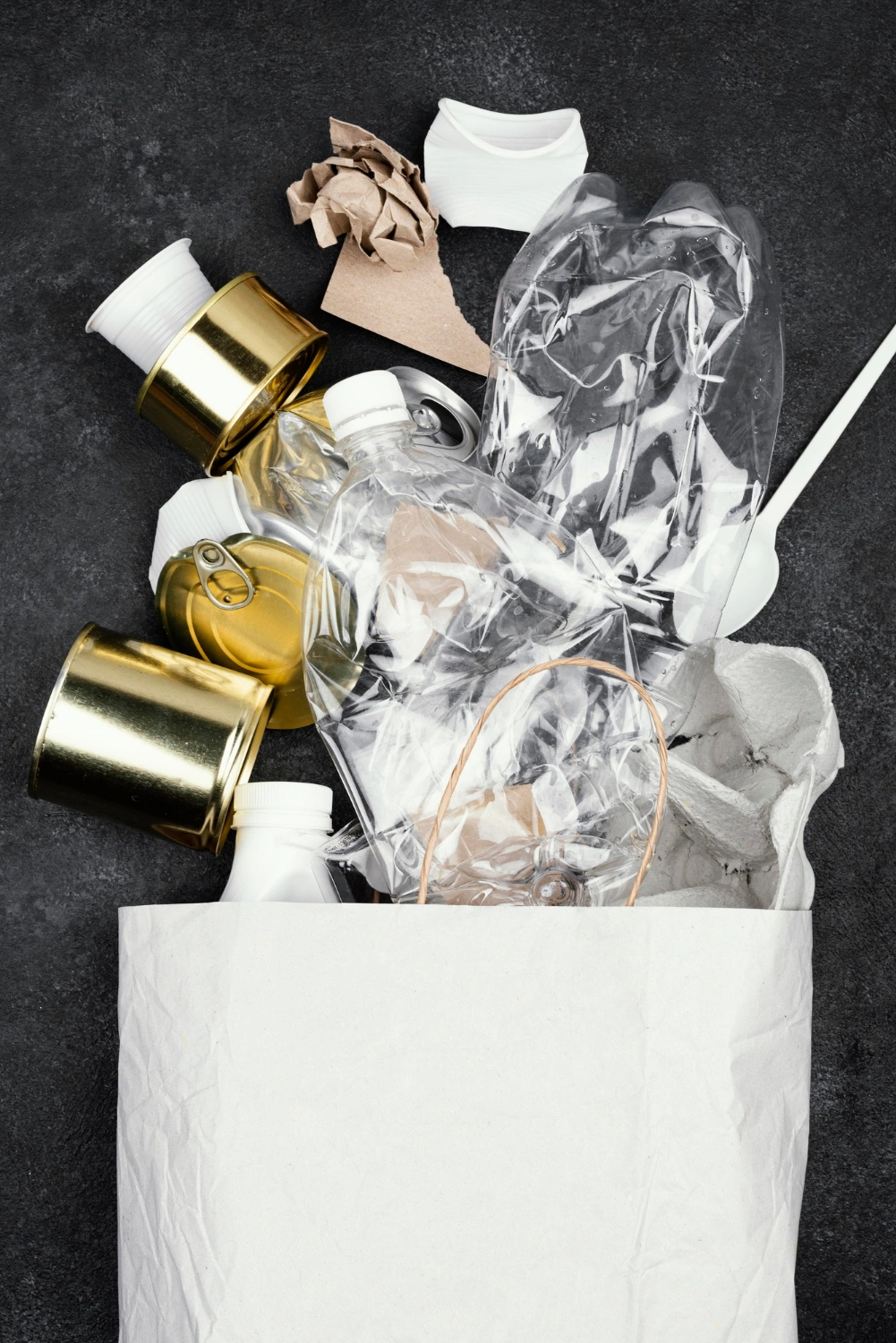
Recyclable or Not? Business Waste That Needs Extra Care
When running a business, it’s important to deal with waste the right way. Not everything used in a business setting can be thrown into the usual recycling bin. Some items need extra attention due to safety, environmental or legal reasons. Knowing what can and cannot be recycled helps protect the environment and keeps your company in line with rules.
This article looks at the types of waste that businesses often struggle with, what the rules say, and how you can sort and dispose of these items properly. Using the right recycling services not only helps the planet but also builds a responsible image for your business.
Many items in workplaces today are made using materials that are tricky to sort or contain harmful parts. If these are not handled correctly, they can pollute water, air or soil. Some can even cause harm to people or wildlife. That’s why it’s vital to take extra care.
There are simple ways to make sure your waste is managed safely. These steps help your business meet the law, avoid fines and show that you care about the community. It starts with learning which items need special attention and knowing where they should go.
Types of Business Waste That May Not Be Accepted in Standard Recycling
Many types of business waste are not accepted in standard recycling collections. These items can cause harm or simply require special handling. Below are some common examples that need a bit more care.
Electrical and Electronic Waste (WEEE)
Items such as computers, monitors, printers and other electronics fall under WEEE regulations. These often contain harmful parts like lead or mercury and must be handled separately from regular rubbish.
Throwing electronics into the usual bin is not only harmful to the environment but also against the law. Instead, these should be taken to special recycling points or collected through registered recycling services.
Even small items like old cables, keyboards or phones count as WEEE waste. All these items should be stored safely and marked clearly until they are picked up or dropped off at a proper site.
Hazardous Waste
This includes paint, solvents, oils, batteries and cleaning products. These items can be dangerous to health or the environment if not handled correctly. For example, used printer toner can release fine dust, and oils can leak into the soil.
Hazardous waste should be stored in secure containers and collected by licensed handlers who know how to dispose of it properly. Keeping these items in locked areas can stop spills and protect your staff and workplace.
Confidential Paper Waste
While paper is generally recyclable, sensitive documents need to be destroyed properly to meet data protection laws. This includes items like staff records, customer details and legal contracts.
Shredding and secure recycling services are recommended to handle this kind of waste, keeping your business compliant and secure. Many recycling services offer lockable bins for confidential paper which are collected regularly.
Mixed Materials
Packaging made from mixed materials, such as foil-lined cardboard or plastic with metal parts, is often not accepted in standard recycling. These items are hard to separate and process.
Try to avoid using these where possible, or speak to your recycling provider about ways to handle them safely. Choosing simple, recyclable materials for your packaging can reduce waste and make sorting easier.
Need assistance finding recycling services near you?
Get a QuoteRecycling Rules for Special or Regulated Waste Streams
Certain types of waste have strict recycling rules due to their impact on health or the environment. These rules may vary depending on your location, but all UK businesses must follow national waste laws. For example, waste electrical and electronic equipment (WEEE) must be collected and treated through approved systems. Businesses are responsible for arranging suitable collection, whether through the supplier or a licensed recycler.
Hazardous waste must be registered with the Environment Agency if your business produces over a set amount. It also needs to be stored in marked containers, with clear records showing how and when it was disposed of. Food waste in hospitality or food production settings is another area with special rules. In some areas, it must be kept separate from general waste and sent to licensed composting or energy recovery centres.
Fluorescent light tubes, medical waste, and asbestos are examples of items that fall under regulated waste rules. These items must never be placed in standard bins and always require a licensed handler for removal and treatment. Working with certified recycling services makes it easier to stay compliant. These companies can also offer advice and provide the needed paperwork for inspections or audits.
How to Manage and Dispose of These Items Responsibly
Handling business waste the right way starts with identifying what you throw away and setting up the right processes. A simple waste audit can show you what types of waste you create and how much of it needs special handling. Once you know your waste types, separate them clearly at the point where they are created. This means having different bins or containers for general recycling, electricals, food waste and hazardous materials.
Use labels and signs to help staff sort things properly. It’s also a good idea to give training or reminders about what can and cannot go in each bin. When items are mixed, they may all end up in landfill even if some could be recycled. Work with trusted recycling services that can collect your sorted waste. They will often provide containers, pick-up times and legal records showing that your waste was dealt with safely.
If you deal with sensitive or specialist waste, choose providers that are licensed and experienced. This reduces your risk and helps you meet legal rules around secure or regulated disposal. Many companies find it helpful to create a waste policy or guide that all staff can follow. This guide can explain how to sort items, who to contact for special waste, and what steps to take if something is unclear.
Keeping records of collections and working closely with your recycling provider helps show you’re meeting your duty of care. This is important for audits, inspections or future planning.
Tips for Improving Sorting and Staying Compliant
Sorting waste well and following rules doesn’t have to be hard. A few good habits and the right help can make a big difference. Below are some useful tips to help your business improve.
Train Your Staff
Make sure all staff know the basics of waste sorting and why it matters. Use posters, handouts or short sessions to explain what goes where and the dangers of getting it wrong.
Encourage questions and make it part of regular workplace training. When people understand the impact of their actions, they are more likely to follow the rules. This builds a workplace culture where everyone takes part in keeping waste safe and sorted.
Label and Colour-Code Bins
Use clear labels and different colours for different types of bins. This helps staff and visitors sort waste without confusion. You can also add pictures to make things even easier to understand.
Check bins often to make sure items are sorted right and remove anything that shouldn’t be there. This keeps your waste clean and easier to recycle. It also avoids fines or extra charges from waste companies.
Work With Trusted Recycling Services
Choose recycling services that offer full support and know the law. They should give you the correct bins, collection times and paperwork. Some will even help you train staff or do audits to improve your sorting system.
Using a reliable service takes the pressure off and ensures your business stays within the rules while doing its part for the environment. It can also save money in the long run by cutting waste and improving recycling rates.
In this article: