What to Know Before Buying Commercial Property Insurance in the UK
Buying commercial property insurance is one of the most important steps for protecting your business property and everything that goes along with it. If you own a shop, an office, a warehouse or another type of business space, having proper insurance can help you recover from damage or loss.
This type of insurance can protect the building, contents and sometimes even cover losses caused by events like fires, floods, break-ins or storms. The goal is to reduce how much damage affects your business and how quickly you can recover if something goes wrong.
However, not all policies are the same, and what you need might not be what another business owner needs. That is why it is essential to understand the basics before agreeing to any insurance contract. Knowing what affects the policy, what information you need, and what to expect can help avoid costly problems.
This article explains what you should understand before buying commercial property insurance in the UK. It looks at what to prepare before getting a quote, why the policy must fit the risks, the dangers of giving wrong details and how to get ready for a better process.
Key Details to Sort Out Before Getting a Quote
Before applying for a quote, you need to gather key facts about your property and business. This step is important because insurers rely on accurate information to provide the right cover and calculate your premium.
Know Your Property Type and Structure
The type of property you own plays a big role in deciding what kind of policy you need. Is the building used for retail, storage, manufacturing or office work? Some properties might have more than one use, for example, a shop with a flat above or a business unit that is also partly a workshop.
Insurers will also want to know about the building’s structure. You will need to say what materials the walls and roof are made from and if there have been any structural changes. If your property is listed or in a conservation area, that must be included too.
Be Clear on the Rebuild Cost
When applying for insurance, you must give the rebuild cost of your property. This is different from the market value. It refers to the amount it would cost to rebuild the property if it was destroyed, including materials and labour.
If you guess this amount and it is too low, you could be underinsured. That means your payout may not cover the full damage. If it is too high, you might end up paying more than you need to. A professional valuation is a good way to make sure you are covered correctly.
Explain What the Property is Used For
Insurers need to know how you use the property. A building used for an office is different from one used for food service or mechanical work. Higher-risk activities might increase your premium or require extra safety checks.
If different parts of the property are used for different things, this should also be noted. For example, a retail shop on the ground floor with storage above will need a policy that reflects both uses. The same is true if parts are rented to other businesses.
Highlight Safety and Security Features
Your security measures help reduce the risk of damage or loss. Insurers will want to know about any fire alarms, burglar alarms, CCTV systems, smoke detectors or fire doors that are in place.
It also helps to mention any physical security such as window bars, roller shutters or security lighting. If the property is sometimes left empty, you must tell the insurer. Empty properties carry more risk and might need extra cover or checks.
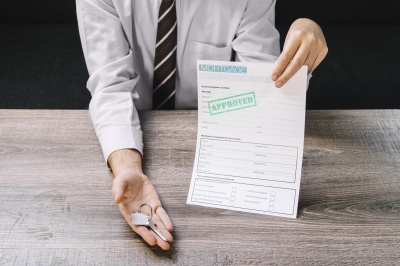
Need assistance finding commercial property insurance near you?
Get a QuoteWhy Your Policy Needs to Match the Property’s Risk Profile
Your policy should reflect the risks linked to your specific property. Insurers look at many things when they assess this, such as where the building is, what it is made from, how it is used and how likely it is to face events like floods, fires or theft.
If you choose a policy that does not match these risks, you may end up with a policy that does not protect you when you need it. For example, if your property is in an area known for flooding and you do not have flood cover, you might not be able to claim for flood damage.
Likewise, if your business uses heavy machinery, stores flammable materials or is open to the public daily, you face different risks than a quiet office with limited access. The right policy will reflect these facts.
When you have a tailored policy that suits your building and how you use it, you are more likely to have full protection. It also makes it easier to claim if something does go wrong and helps avoid any confusion about what is covered and what is not.
What Happens If You Miss Key Information at the Start
It is essential to provide full and correct information when you first apply for commercial property insurance. This is not just about being honest. It is also about making sure the policy works when you need it.
If you leave out key facts, the insurer might refuse to pay a claim later. This is true even if the mistake was not on purpose. Something as simple as saying the building is occupied when it is sometimes empty can lead to problems if a claim is made during a time when the property was not in use.
Other common mistakes include giving the wrong business address, not mentioning a new tenant, forgetting to list a change in use or leaving out that the property had flood damage in the past. These may seem small, but they can affect the outcome of a claim.
Insurance is based on trust. The insurer trusts that the information you give is right. If it is not, they might say the policy is not valid. That means you could be left to pay for the full cost of repairs or rebuilds yourself.
How to Prepare for a Smoother Insurance Process
Taking a bit of time to get ready before you apply for insurance can help avoid delays, confusion and poor cover. The better prepared you are, the more likely you are to get a policy that fits your needs at a fair price.
Collect All the Key Documents Early
Get together as many important documents as you can before speaking to an insurer. These may include recent building valuations, floor plans, details of the construction type, a list of contents, security measures and business activity reports.
It is also a good idea to have your old insurance documents ready if you are switching providers. They can give useful background and make it easier to compare offers.
Speak to a Broker or Professional Adviser
If you are unsure what cover you need, or if your situation is more complex, a broker can offer advice. They know how the market works and can suggest policies that are suitable for your type of property.
Brokers often know which insurers specialise in certain types of properties or risks. This might save you time and result in a more suitable policy. They can also help check the fine print, so you are not caught out by small rules or limits.
Keep Your Policy Updated as Your Business Grows
Once you have insurance in place, do not forget about it. If your business changes in any way, update your insurer. This includes adding new services, changing how you use the building, or even if you just install a new security system.
Reviewing your policy every year helps make sure it is still a good fit. If your cover stays up to date, you are less likely to face problems when it is time to make a claim. Keeping your insurer informed also shows that you are responsible, which can help with future renewals.
In this article: