Can Over-Felling Damage Soil?
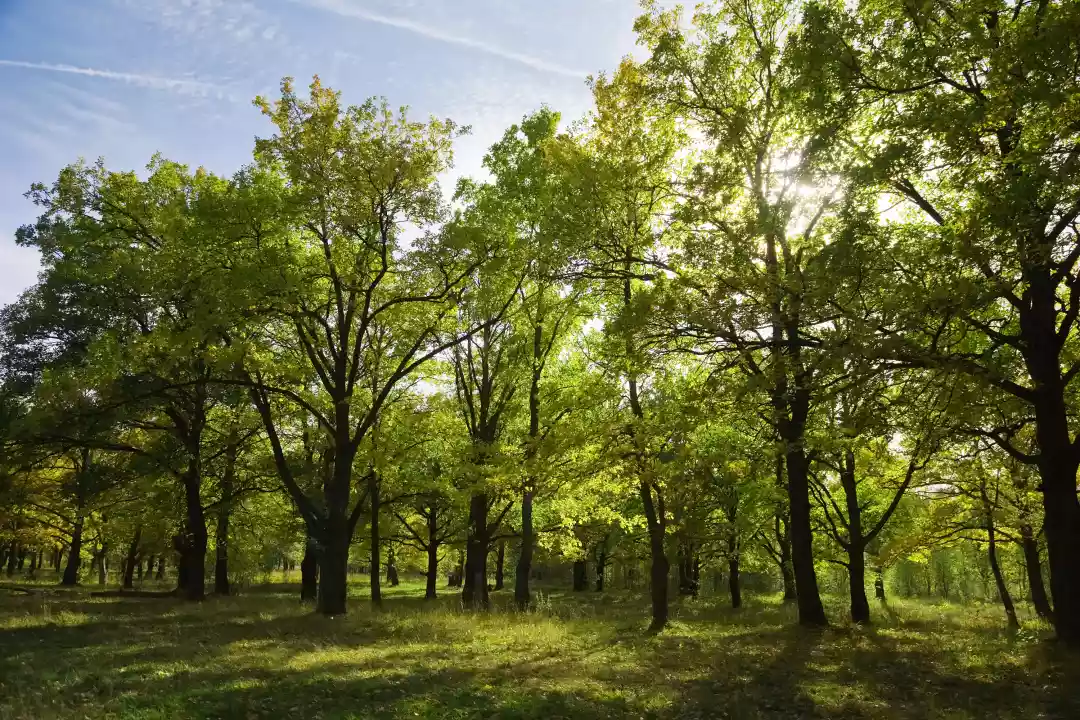
Tree felling, or the act of chopping down trees, may have a harmful effect on soil in a variety of ways if it's done too much. In extreme circumstances, such as deforestation, felling may disturb entire ecosystems. This may result in a number of problems, such as soil loss or damage in the area. By removing an excessive amount of plant material from the soil, over-felling or excessive felling can harm the soil by causing erosion and altering its chemical composition. This can therefore result in an imbalanced soil environment, which is unfavourable to the growth of healthy plants or other local creatures.
If something like clearcutting is done across a vast region, the consequences of deforestation on soil are more obvious. For example, when a forest is completely cleared, the trees are no longer able to generate a leafy canopy. Instead, sunshine may enter the soil, heating it up, drying it out, and causing erosion. Additionally, the removal of plant materials may result in soil-dwelling creatures dying or leaving their habitat, which may lead to a systemic imbalance. Though tree felling can help areas with a dense population of trees, over-felling one area can often do more harm than good.
What Is Soil Erosion?
One of the primary effects of over-felling on soil is soil erosion, which has a range of causes. In addition to over-felling, farming, heavy-duty construction, windstorms, floods, and landslides are other factors that contribute to soil erosion. All of these occurrences provide forces that induce soil erosion, such as moving particles brought on by wind or water and eroding the soil's surface. Good soil is a crucial resource for plants and other animals to thrive and live; therefore, if it's damaged. it harms the ecosystem. Numerous negative environmental repercussions of soil erosion are possible.
One of the major losses is the loss of nutrients in the soil since plants require these nutrients to live and be healthy. Reduced food output, arid landscapes, declining animal populations, and other effects are also results. Additionally, it may result in water contamination and river siltation. The primary categories of natural soil erosion are: water-related erosion includes sheet erosion, wind-related erosion, rill erosion (which often forms little rills over slopes after heavy rains), gully erosion (occurs when water runoff removes soil along drainage lines), and ephemeral erosion (which takes place in naturally occurring depressions). It is a complicated process that depends on the soil's characteristics, the slope of the land, the vegetation, and the frequency and intensity of rainfall.
Assuring a continuous surface cover of the soil, such as trees, pasture, or meadow, is the most efficient technique to reduce erosion. The soils in grazing fields and croplands, however, have less stability and are more prone to erosion as compared to the original forest soils. Additionally, these soils are less capable of absorbing water, which increases the frequency of flooding.
Need assistance finding tree felling near you?
Get a QuoteHow To Prevent Soil Erosion
Fortunately, there are a number of strategies to stop soil erosion from happening. One method is to plant trees and bushes since they can reduce the amount of runoff and sediment that the soil absorbs. Additionally, trees may give shade, which keeps the soil cooler and helps to keep it from drying up. Furthermore, grasses can assist retain the soil in place and prevent topsoil from being transported away by their vast root systems. Utilising terraces, swales, and rock dams is another method of preventing soil erosion. These structures redirect water away from the soil, allowing it to soak into the ground and be shielded from runoffs.
In regions where soil erosion is occurring, building roads, pathways, and trails can help preserve the soil because they offer a solid surface for people and vehicles to go on. Forests and woods can aid in soil creation in addition to safeguarding it. The weathering of parent rock components and the breakdown of organic matter are the two mechanisms that accomplish this. The earthy aroma of humus, the thick layer of decomposing organic matter in a forest, is well known to everyone who has been to older woods. Trees also contribute to healthier soil; their roots enhance the soil's capacity to absorb water, lowering the likelihood of wind erosion.
Don't Remove Anchoring Roots
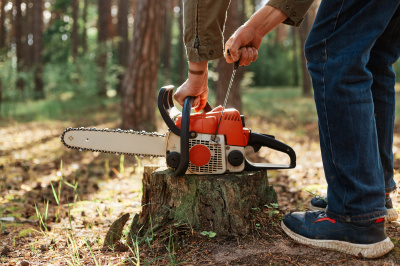
Avoid removing too many of a tree's roots while chopping it down. The tree's roots, which anchor it in the ground, are a crucial component of its structure. When too many roots are cut off, the tree is more likely to be uprooted or blown over, which can exacerbate soil erosion. Be careful to chop the tree in the proper location so that anchoring roots are preserved. Any closer than 8 inches from the trunk should be avoided as it might result in root loss. Furthermore, it's quite risky to try to chop down a tree without the right equipment or if you don't feel secure doing so. Tree roots may spread out more than anticipated, causing harm to utility pipes, sidewalks, and roadways. Tree roots that are growing in the path may need to be cut out before construction and regrading.
A tree's stability depends on its roots. As much of the root as you can leave uncut. When removing roots, it is less harmful to cut farther from the trunk than it is to do it near the trunk. Calculating the cut's distance from the tree trunk and comparing it to the diameter of the trunk is a smart technique to make a decision.
How To Protect Soil
Last but not least, preserving the current soil is crucial to preserving a healthy ecosystem. Covering exposed soil with materials like geo-cement, cloth sheets, or rock is one approach to do this. When placed, geo-cement creates a waterproof, protective barrier and is used to hold dirt in place. Additionally, fabric sheets can be used to cover soil, preventing runoffs and reducing erosion. Soil can also be covered with pebbles to keep it from being harmed. Ground protection sheets can also be used to preserve the delicate soil when moving it around. These sheets are an excellent alternative to employ in the case of any excavation work since they offer a protective cover for the soil while yet enabling flora to flourish.
Combinations of techniques are employed in soil conservation to prevent soil deterioration. In order to save soil, one must first approach it as a living ecosystem. This entails routinely adding organic matter back into the soil. A continuously vegetated, saucer-shaped canal called a "grassed waterway" is intended to transport surface runoff across land without eroding the soil. The grass slows the flow of water and prevents soil erosion in areas where gully or rill erosion is occurring as a result of the concentrated flow of water overland.
Livestock manure and mulch like Lucerne or clover are examples of natural fertilisers. Spreading and incorporating manure into the soil are the two methods of application. However, strict rules must be followed since manure can contaminate water supplies. Natural fertilisers restore the soil with vital elements and improve the soil by adding organic matter. In conclusion, improper management of over-felling can have a harmful impact on soil. When too many trees are cut down, soil erosion can occur, which can cause nutrient loss, a decline in animal populations, the silting of streams, and other problems. However, people can contribute to maintaining a healthy and balanced ecosystem by taking the required measures to safeguard existing soil.
In this article: