Do I Need Road Resurfacing? Common Issues to Look Out For
Road surfacing is an essential part of maintaining safe, comfortable, and functional roadways. Even roads built to the highest standards can show signs of wear over time. Heavy traffic, weather conditions, and natural ground movement all contribute to the gradual breakdown of the surface. Without regular upkeep, the quality of the road can decline to the point where it becomes unsafe or difficult to use.
Whether you are responsible for a private driveway, an industrial yard, a commercial car park, or a public road, understanding when resurfacing may be needed is a vital part of good maintenance. It can be easy to overlook early warning signs, but acting before the damage worsens can save both time and money. A resurfaced road not only improves safety but also provides a better driving experience and a more appealing appearance.
By keeping track of surface condition and learning what issues to watch for, you can make informed decisions about whether to opt for a simple repair or a full resurfacing. This can help extend the lifespan of the road, protect vehicles that use it, and reduce the likelihood of more costly repairs later.
Common Signs Your Road Surface May Need Attention
Knowing when to arrange for road resurfacing is key to preventing further deterioration. Below are some of the most common signs that your road or driveway may require attention.
Cracks and Surface Breaks
Cracks are often the earliest indicator that a road surface is beginning to weaken. They can appear for a variety of reasons, from temperature fluctuations that cause expansion and contraction, to the impact of heavy loads passing over the same area repeatedly. If water enters these cracks, freezing and thawing cycles can make them worse.
Some cracks may be small enough to repair individually, but when they become widespread, it often indicates that the surface layer as a whole is failing. Resurfacing at this stage can prevent more serious structural problems from developing underneath.
Potholes
Potholes occur when sections of the road’s upper layer give way after the foundation beneath has been compromised. They may start as small depressions but can quickly grow as vehicles travel over them, breaking away more material each time. They can cause tyre damage, alignment problems, and even accidents if drivers swerve to avoid them.
A road surface that develops multiple potholes in a short space of time may have reached the end of its serviceable life. Resurfacing the entire area can resolve the underlying issues rather than relying on short-term patching.
Uneven or Sunken Areas
If certain parts of a road appear lower or more uneven than the rest, it may indicate a weakness in the sub-base or shifting of the soil beneath. This can be due to poor construction methods, natural erosion, or damage caused by water infiltration. Uneven roads are not only uncomfortable to drive on but can also affect drainage patterns.
Resurfacing can restore a level finish and reinforce the base layer, ensuring the surface remains even and durable for longer.
Loss of Skid Resistance
The rough texture of a road surface is designed to provide grip for vehicle tyres. Over time, constant friction wears this texture down, particularly in high-traffic areas such as junctions, roundabouts, or sharp bends. This can make the road slippery when wet and increase stopping distances.
Road resurfacing can restore skid resistance, improving safety for all road users and reducing the risk of accidents in adverse weather.
Need assistance finding road surfacing & construction near you?
Get a QuoteThe Risks of Ignoring Road Surface Damage
Delaying repairs or resurfacing can lead to far greater damage over time. Cracks can spread, potholes can deepen, and uneven sections can worsen, making the road dangerous to use. A neglected road surface is more likely to cause accidents, not only because of the hazards it creates but also because drivers may make sudden movements to avoid them.
From a financial perspective, the longer a damaged road is left untreated, the higher the eventual cost of repairs. What might start as a minor resurfacing project can turn into a complete reconstruction if the base layers are allowed to deteriorate.
Poor road conditions can also affect vehicles directly. Tyre wear, suspension problems, and wheel alignment issues are common results of driving on damaged roads. These costs are often passed on to vehicle owners, but in some cases, the responsibility may fall on the party in charge of road maintenance, potentially leading to insurance claims or legal disputes.
Environmental factors should also be considered. Damaged surfaces can cause water to pool, leading to increased erosion or flooding in nearby areas. Loose debris from the surface can enter drainage systems, blocking them and creating further problems. In commercial settings, the appearance of the road or car park can influence customer perception, with poorly maintained surfaces giving a negative impression.
By resurfacing in a timely manner, you can avoid these risks, maintain safety, and preserve the value of the property or area you are responsible for.
How Road Resurfacing Can Solve These Problems
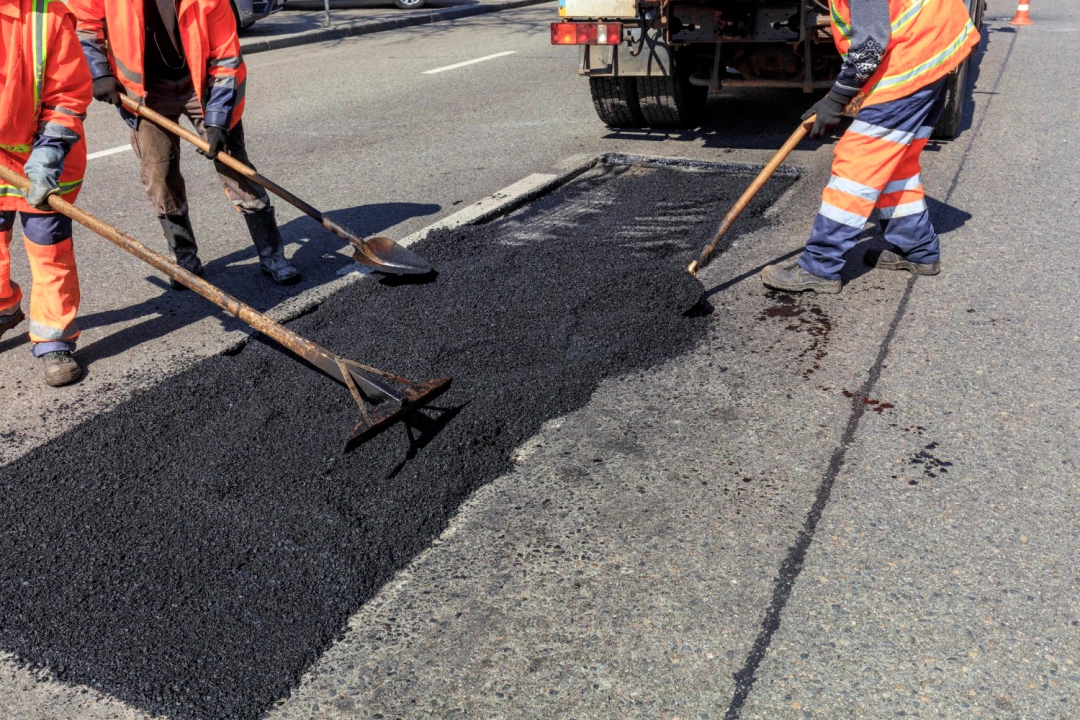
Road resurfacing is the process of removing the damaged upper layer of a road and replacing it with fresh material. This approach addresses both surface-level wear and the early stages of deeper damage. It strengthens the road, restores its appearance, and improves driving conditions.
Unlike patch repairs, which focus on isolated defects, resurfacing treats the road as a whole. This creates a uniform, consistent surface without the joins or mismatched materials that can become weak points over time. The result is a road that not only looks better but is also more resistant to future wear.
Modern resurfacing techniques can be tailored to the specific needs of the road. For example, areas that experience heavy goods vehicle traffic may require a more durable asphalt mix, while roads in regions with frequent rain might benefit from a surface designed for improved drainage.
Resurfacing can also enhance noise reduction, as smooth surfaces produce less tyre noise than rough or uneven ones. This is particularly beneficial in residential areas. Additionally, a freshly resurfaced road with improved grip helps reduce braking distances, contributing to overall road safety.
Finally, by restoring proper gradients and drainage patterns, resurfacing prevents water from collecting on the surface. This not only reduces the risk of aquaplaning during heavy rain but also prevents freeze-thaw damage in winter.
Preventative Measures to Avoid Frequent Resurfacing
While resurfacing can solve many problems, prevention is always better than cure. Regular maintenance, inspections, and small repairs can significantly extend the life of a road surface.
Regular Inspections
Carrying out scheduled inspections throughout the year allows you to catch small issues before they escalate. Early detection of cracks, worn patches, or drainage problems means they can be repaired quickly and at a lower cost. Inspections should be more frequent in areas with extreme weather, as conditions such as heavy rainfall, frost, or heatwaves can accelerate damage.
Prompt Repairs
Small defects can grow rapidly if ignored. Filling cracks, sealing joints, and patching isolated potholes can all help prevent water penetration, which is one of the main causes of road damage. By acting promptly, you avoid the need for larger, more expensive work later on.
Proper Drainage Management
Water is one of the most damaging elements to a road surface. Ensuring proper drainage reduces the risk of erosion, frost damage, and weakening of the base layers. Regularly clearing blocked drains, checking that water flows away from the road, and maintaining adequate grading can all help protect the surface.
Another factor in preventative maintenance is the choice of materials used during construction and resurfacing. Quality materials suited to the local climate and traffic will generally last longer. In colder regions, materials that withstand freeze-thaw cycles without cracking are essential. In hotter climates, surfaces that resist softening under heat are better suited.
Education can also help. For private roads or shared access ways, informing users about load limits and safe driving speeds can protect the surface. For public authorities, encouraging the community to report early signs of damage can ensure problems are addressed quickly.
A proactive approach to road care saves money and time. While resurfacing is sometimes unavoidable, combining it with regular inspections, targeted repairs, and good drainage management can greatly reduce the frequency of major works. This benefits those responsible for the road and all who travel along it.
In this article: