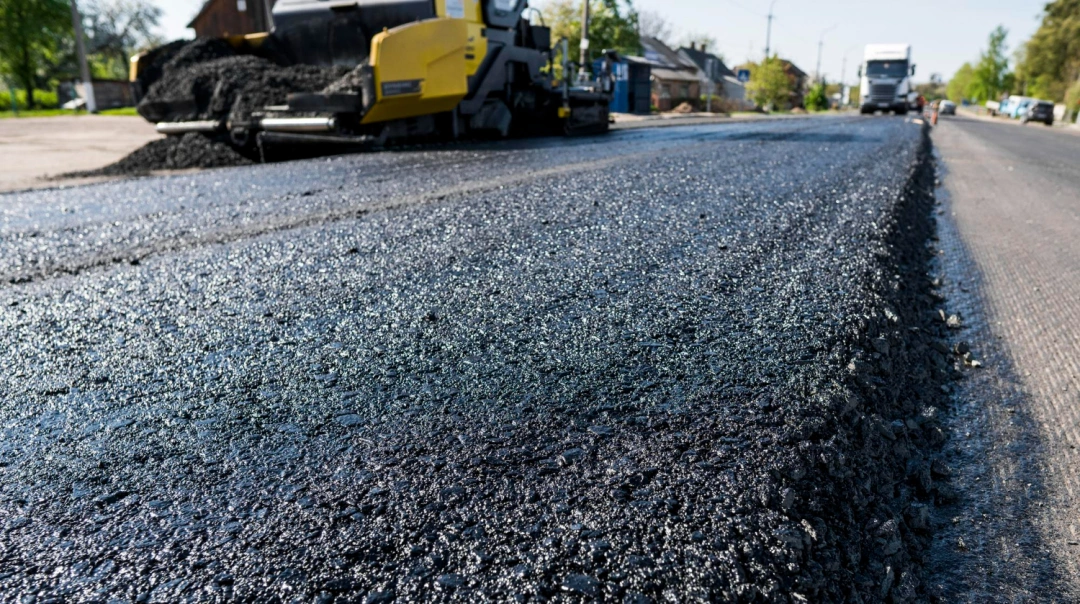
How Weather Conditions Impact Road Surfacing Projects
Road surfacing and road construction projects play a vital role in keeping our transport systems safe, efficient, and able to handle the demands of everyday traffic. These projects ensure that vehicles can travel smoothly, reduce the risk of accidents, and improve overall road safety. However, the process of creating or upgrading road surfaces is not always straightforward. One of the biggest challenges faced by construction teams is the weather. Weather conditions can influence almost every stage of road surfacing, from planning and preparation to the final stages of laying materials and finishing the surface.
Understanding how different weather factors can affect road construction is important for planners, engineers, and contractors. Poor conditions can lead to costly delays, safety hazards, and lower-quality results if not managed properly. At the same time, there are ways to prepare for these challenges, such as choosing suitable materials, planning work for certain times of the year, and maintaining flexibility in the schedule.
In this article, we will explore the key weather factors that affect road surfacing, the risks of poor conditions, the long-term impact of weather on road durability, and strategies that can help reduce these risks. By being informed, teams can work more effectively and deliver roads that last longer.
Key Weather Factors That Affect Road Surfacing
Different weather conditions can have a wide range of effects on road construction projects. Some of these conditions cause direct delays, while others create long-term issues that only become apparent after the road is complete. Below are the most common weather-related challenges that road surfacing teams face and how they can affect the work.
Temperature Extremes
Extremely high or low temperatures can have a major effect on the materials used in road construction. Asphalt, for instance, needs to be applied and compacted within a specific temperature range to achieve the right density and strength. If the temperature is too low, the asphalt cools too quickly, making it stiff and hard to spread evenly. This can result in gaps, uneven layers, or a surface that does not bind properly. If it is too hot, the asphalt may remain soft for too long, increasing the risk of deformation under traffic before it has fully set.
Concrete is also sensitive to temperature changes. Hot weather can cause water in the mixture to evaporate too quickly, which leads to rapid drying and cracking. Cold weather slows the curing process, which can leave the concrete weaker than intended. In freezing temperatures, any water within the mix can turn to ice, causing expansion that leads to structural weaknesses.
Rainfall and Moisture
Rain is one of the most disruptive weather conditions for road surfacing. Wet surfaces prevent proper bonding between layers of asphalt and can cause the material to break down over time. Rainwater can also seep into the underlying soil or aggregate, reducing stability and creating soft spots that may lead to surface failure. Even light rain can pause work for hours or days, as the construction team must wait for surfaces to dry before continuing.
Excess moisture can also cause long-term issues. In areas with poor drainage, water may remain trapped under the road, leading to frost damage in cold seasons or weakening the base layers during heavy use. This can cause potholes, cracks, or dips to appear sooner than expected.
Wind Conditions
Strong winds can pose both safety and quality risks during road construction. High winds can make it unsafe to operate certain machinery, such as cranes or lifting equipment. Dust, debris, and loose materials can be blown across the worksite, reducing visibility and potentially causing accidents. Wind can also affect temperature control during the application of asphalt or concrete, as rapid cooling or uneven drying can reduce the final quality of the road surface.
Seasonal Changes
Seasonal patterns have a big influence on road construction projects. In winter, frost, ice, and snow make it difficult and sometimes dangerous to work, while also affecting the performance of materials. In summer, extreme heat can shorten working hours for safety reasons and affect how quickly materials set. Spring and autumn often bring more rainfall, which increases the risk of delays. By planning projects to avoid the worst seasonal weather, contractors can reduce risks and improve efficiency.
Need assistance finding road surfacing & construction near you?
Get a QuoteHow Poor Weather Can Delay or Increase Costs
Bad weather is one of the main reasons road surfacing projects run over schedule. Heavy rain can prevent asphalt from being laid altogether, as it must be applied to a completely dry surface. Any water present will reduce bonding and increase the risk of early surface failure. If a project is delayed, contractors often face extra costs for labour, machinery hire, and site management. Delays can also create problems for local communities and drivers, who may have to deal with road closures for longer than expected.
Extreme cold slows down the curing of concrete, which can extend project timelines by several days or weeks. This delay can have a knock-on effect on other parts of the schedule, such as lane markings, safety barrier installation, or landscaping. In extreme heat, work may need to be paused during the hottest parts of the day to protect workers and prevent materials from setting incorrectly, which again slows progress and adds costs.
Adverse weather can also damage equipment. Rainwater can cause rust and electrical problems in machinery, while strong winds can make it unsafe to use cranes and lifting equipment. In some cases, materials may be wasted if they are applied in poor conditions and later have to be removed or replaced. These setbacks can quickly push a project over budget, making careful weather monitoring and flexible planning essential to cost control.
Long-Term Effects of Weather on Road Surface Durability
Once a road has been completed, it will continue to face the challenges of weather throughout its lifespan. Repeated cycles of heating and cooling cause the surface to expand and contract, which over time leads to cracks. Water that enters these cracks can cause even more damage, especially in cold climates where freezing water expands and widens the gaps. This process, known as freeze-thaw damage, is one of the most common causes of potholes in colder regions.
Sunlight can also affect road surfaces. Prolonged exposure to ultraviolet rays causes asphalt to lose its flexibility, making it more likely to crack. In coastal areas, salt carried in the air can corrode metal components within reinforced concrete structures, leading to further maintenance needs. Poor drainage is another major factor. Standing water can weaken the base layers of the road, causing the surface to sag or break apart under the weight of traffic.
Without regular maintenance, these weather-related issues can shorten the life of a road by many years. Applying sealants to asphalt can slow down the effects of UV damage and water penetration, while resurfacing worn areas can restore smoothness and safety. Roads that are monitored and maintained regularly are better able to withstand the impact of changing weather conditions.
Strategies to Manage Weather Risks in Road Surfacing
Although the weather cannot be controlled, there are many ways to reduce its impact on road construction. With careful planning, the use of suitable materials, and a focus on ongoing maintenance, contractors can improve the quality and durability of their work while avoiding unnecessary delays.
Careful Planning and Scheduling
Long-range weather forecasts can be used to schedule work during favourable periods. This might mean avoiding the wettest months or the coldest part of winter. Planning projects to take advantage of mild temperatures can improve both the speed and quality of work. It is also helpful to build flexibility into the schedule so that work can be adjusted if sudden changes in weather occur.
Use of Weather-Resistant Materials
Choosing materials that are better suited to the local climate can make a big difference to the lifespan of a road. For example, modified asphalt mixes can handle higher temperatures without softening, while cold-resistant additives can improve performance in winter. Protective coatings and sealants help guard against moisture damage, and effective drainage systems prevent water from collecting under the road.
Ongoing Monitoring and Maintenance
Regular inspections allow small issues to be addressed before they become bigger problems. Filling cracks quickly prevents water from getting in and causing freeze-thaw damage. Keeping drainage systems clear reduces the risk of water weakening the base layers. By combining ongoing maintenance with high-quality construction, road surfacing projects can remain in good condition for many years, even in areas with challenging weather patterns.
When contractors and planners take weather risks seriously from the start of a project, they can save time, reduce costs, and deliver roads that are both safer and longer-lasting for the communities that rely on them.
In this article: