What to Expect During a Road Resurfacing Project
Road resurfacing is a vital part of road construction and maintenance that ensures streets remain safe, smooth, and reliable for all who use them. Over time, the combined effects of heavy traffic, varying weather conditions, and natural wear cause the surface to deteriorate. Cracks can widen into potholes, road markings may fade, and drainage can become less effective. Without timely attention, these issues can lead to more serious damage, making the road unsafe for drivers, cyclists, and pedestrians. Resurfacing restores a clean, even layer that allows vehicles to grip well and ensures water drains away efficiently, which helps to prevent accidents and further structural problems.
Most resurfacing projects are planned months in advance to limit disruption. Skilled crews establish a secure work area, put up safety signs, and manage traffic so that the site is safe for both workers and the public. The work is divided into stages, each with its own objectives, safety rules, and quality checks. By learning more about these stages, the expected timescales, and how the work might affect you, you can make practical adjustments to your travel and daily activities, ensuring minimal inconvenience during the process.
Key Stages of a Road Resurfacing Project
Although details can vary depending on road type, traffic levels, and chosen materials, most resurfacing projects follow a similar process. Knowing these main stages helps explain why each task is carried out and how it contributes to the finished result.
Initial Inspection and Planning
The first step is a survey of the road’s condition. Engineers check for cracks, potholes, and uneven sections, and may take core samples to assess underlying layers. This helps decide whether light treatment, patching, or a full-depth overlay is needed. The chosen method is set out in a plan covering scope of work, safety measures, traffic management, and expected completion time. Busy roads may be worked on at night to reduce congestion, while school areas are often scheduled for holidays. The public is informed through notices, signs, and online updates.
Preparation and Removal of Old Surface
Once planning is complete, crews set up barriers, cones, and signage to keep the work zone safe. The surface is cleaned and marked for deeper repairs. A milling machine removes the worn layers while maintaining kerb heights, drainage slopes, and entrances. Removed material is often recycled into new asphalt. Damaged base layers are repaired or replaced, and manholes or drainage systems are adjusted to match the finished road height, improving water flow and reducing future flooding risk.
Laying the New Surface
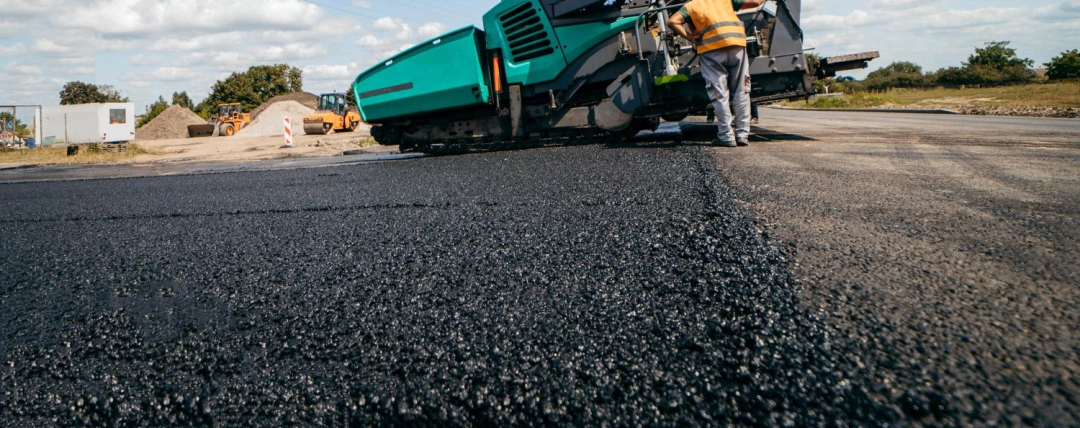
When the base is ready, hot asphalt arrives in insulated lorries, is spread evenly by a paving machine, and compacted with rollers. Layer thickness depends on road use, with heavy traffic routes needing stronger surfaces. Some projects add a binder course for strength before the surface course for grip. Weather is closely monitored to avoid premature cooling or softening, and quality checks confirm durability, evenness, and skid resistance.
Finishing Touches and Safety Checks
The final stage includes road markings, pedestrian crossings, and road studs where required. Signs are replaced or updated, and inspectors check that drainage works and the surface is safe. Any defects are fixed before reopening. Once complete, barriers are removed and traffic resumes, with follow-up inspections to ensure the road continues to perform well.
Need assistance finding road surfacing & construction near you?
Get a QuoteHow Long Road Resurfacing Usually Takes
The duration of a resurfacing project depends on the length and complexity of the road, the amount of preparation needed, and the weather. A small residential street may take only a few days from start to finish. Larger urban roads with multiple lanes and junctions might take a few weeks, while major roads such as motorways can require phased work over several months. Planning for such work involves balancing speed with safety and quality to achieve the best long-term results.
Weather is often the main cause of delays. Heavy rain or low temperatures can halt work because asphalt needs dry, warm conditions to compact properly. On busy roads, night work is sometimes used to keep traffic moving during the day. While this can reduce daytime disruption, it may extend the overall schedule due to shorter working hours. Local councils and contractors usually provide estimated times before work begins and keep residents updated if delays occur, allowing you to plan your travel accordingly and make alternative arrangements if needed.
How Roadworks Might Affect You
Resurfacing can cause temporary changes to travel routes. Lane closures, diversions, and temporary traffic lights are common. These can add time to journeys and may affect public transport routes. Speed limits are often reduced for safety, and parking restrictions may apply near the work zone. Access to driveways or side streets might be limited for short periods while work is underway, so it is wise to check any advance notices.
Noise from machinery and an increase in dust are possible, though crews often take steps to reduce them, such as using quieter equipment and spraying water to control dust. Local businesses may notice a drop in customers if access is less convenient. Residents are sometimes asked to move vehicles before work starts so the entire road can be resurfaced without obstruction. Emergency access is always maintained, with staff on hand to guide vehicles when necessary and keep essential services running smoothly for the duration of the project.
Ways to Minimise Disruption During Resurfacing
While resurfacing can be inconvenient, there are practical steps you can take to make it easier to manage. Preparing in advance will help you avoid delays, adjust your plans smoothly, and allow the road crew to work efficiently. This benefits not only you but also your neighbours, local businesses, and the wider community.
Stay Informed
Look out for notices from your local authority or contractor and check for updates online or through community noticeboards. Advance warning signs are usually placed on approach roads to give you time to plan ahead. If you own a business near the site, speak with the project team before work starts to arrange delivery schedules and ensure customers can still reach you. In some cases, local councils also send updates by email or post for larger projects. Staying informed means you can plan effectively and avoid last-minute changes to your daily routine.
Plan Your Journeys
Leave extra time for travel and, if possible, avoid peak hours when traffic is heaviest. Use alternative routes to bypass the work zone, even if they are slightly longer, as this can save time overall. For short journeys, walking or cycling may be practical if it is safe and convenient. For longer trips, make use of navigation apps or radio traffic updates to help you avoid queues and delays. If your job allows, working from home during the most disruptive days can save you considerable time and reduce stress. Car sharing with friends or colleagues might also reduce the number of vehicles passing through the area.
Work With the Road Crew
Follow all posted signs and any instructions given by traffic marshals. Keep to temporary speed limits, as these are set to protect both workers and drivers, and avoid sudden braking on freshly laid surfaces. Never move cones or barriers, as they are in place to mark hazards and keep the site safe. If you have regular waste collection, large deliveries, or building work scheduled, coordinate with the road crew in advance so arrangements can be made without causing delays. Keeping children and pets away from the work zone is essential for safety. Above all, be patient and courteous, as these improvements are being made to benefit the community for many years to come.
In this article: