How Much Do Road Surfacing Projects Cost in the UK?
Road surfacing or road construction projects keep roads safe, smooth, and easy to use. Good surfaces help traffic flow better and cut the risk of accidents. They also reduce wear on vehicles and save drivers money over time. If a surface is cracked, polished, or full of potholes, it needs attention. Many people ask what such work will cost and how to plan a fair budget.
This article explains how costs are built up and what affects them most. It also gives average prices for common surface types, highlights extra items you may need to include, and shares simple ways to save money without cutting quality.
Key Factors That Influence Road Surfacing Costs
There is no single price for road surfacing. The final bill depends on a mix of site conditions, design choices, and local rules. Understanding the main drivers helps you set a realistic budget and avoid surprises later on.
Materials and Equipment
The surfacing material has a large impact on cost. Standard tarmacadam is widely used for small roads, car parks, and driveways. It often costs between £40 and £70 per square metre, with lower rates for larger areas and simple sites. Asphalt resurfacing gives a stronger, smoother finish and can handle heavier traffic. It commonly ranges from £50 to £100 per square metre, depending on thickness and specification.
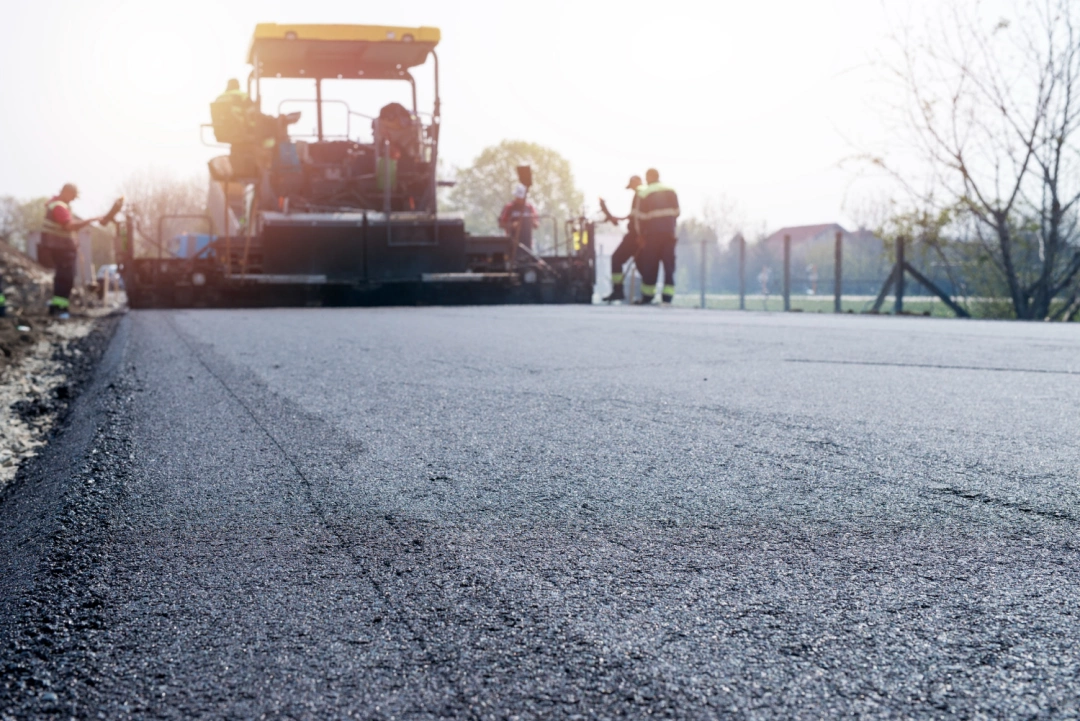
Cheaper treatments, such as surface dressing, can be suitable where the base is sound. This uses a thin layer of binder and stone chippings and is quick to install. More advanced choices, such as micro surfacing or stone mastic asphalt, offer better durability and grip, but they cost more at the start. The hire and fuel costs for pavers, rollers, and compactors also add to the bill, especially on larger sites where several machines work at once.
Labour and Project Complexity
Labour is a major part of any road construction budget. Skilled crews are needed to prepare the base, set levels, lay the material at the right temperature, and achieve the correct compaction. Projects with steep gradients, tight spaces, or heavy traffic control demand more time and care. Work near schools, hospitals, or busy shops may need to take place outside peak hours, which extends the schedule and increases labour costs.
Location and Accessibility
Where the site is located also affects price. Remote locations can mean long travel times for crews and higher delivery charges for materials. Urban jobs may face road closures, limited access, and strict permits. These constraints slow progress and can require extra staff for traffic management. Limited storage space for materials may force more small deliveries, which are less efficient.
Long-term Maintenance and Life Span
It is important to think beyond the first day. A cheaper option may seem attractive, but it might need repairs sooner. High-quality surfaces can cost more to install but often last longer and need less attention. When you compare options, consider the whole life cost, not just the initial price. A surface that stays in good condition for years will usually be the best value.
Need assistance finding road surfacing & construction near you?
Get a QuoteAverage Costs for Different Types of Road Surfacing
The figures below are typical for the UK and are meant as a guide. Actual prices will vary based on site size, design, and the factors listed above. Section three uses fewer paragraph breaks to keep the layout neat.
Standard tarmacadam surfacing usually costs between £40 and £70 per square metre. This suits small private roads, housing estate roads, and many car parks. It can be laid quickly and gives a tidy finish. The lower end of the range tends to apply to large, simple areas where the base is already sound. The upper end reflects smaller or more complex jobs, thicker layers, and sites that need extra preparation.
Asphalt resurfacing is often priced between £50 and £100 per square metre. It offers a smoother ride and greater strength than basic tarmacadam. Asphalt stands up well to turning traffic and frequent braking, so it is common around junctions and bus routes. Heavier use might call for multiple layers and a high specification binder course, which will be near the top of the range.
Surface dressing is a cost-effective way to make a worn surface last longer. It involves spraying a bitumen binder and covering it with chippings. On large public schemes it can be about £5 per square metre, while localised works or smaller areas may be more. It restores texture and helps prevent water getting into cracks, which limits freeze and thaw damage. The finished surface is not as smooth as asphalt, but it is fast to apply and causes less disruption.
Micro surfacing costs more than standard surface dressing but gives a harder wearing finish. It uses a polymer modified binder and fine aggregate to form a thin but tough layer. It can be laid in cool weather and sets quickly, which helps keep roads open. This option is useful where higher skid resistance and better rut resistance are needed, such as on busy A roads and at roundabouts.
Additional Costs You May Need to Budget For
Beyond the headline surfacing price, several extra items can add to the total. Site preparation is often the first cost and may include planing off the old surface, repairing soft spots, and adjusting levels to improve drainage. If the base is weak, more extensive reconstruction may be needed before a new surface can be laid. Drainage upgrades, such as new gullies or channels, reduce standing water and protect the surface from damage, while kerb work and edging may also be required to define the edge of the carriageway and support the new layers.
Permits for road closures, parking suspensions, or temporary traffic control can add to the bill, along with traffic management costs for barriers, cones, temporary lights, and trained operatives to keep road users and workers safe. Waste management charges apply when removing planed material, spoil, and damaged kerbs. Many projects also include testing and inspection for quality assurance, such as checks on surface evenness, compaction depth, and skid resistance, which help ensure the work meets the required standards and lasts as expected.
How to Reduce the Cost of Road Surfacing Projects
There are many ways to control cost while still achieving a strong and safe surface. Small changes to planning, design, and delivery can bring clear savings without harming quality.
Choose the Right Treatment for the Road Condition
Start with a careful survey of the current surface. If the structure below is sound, you may not need a full rebuild. Surface dressing or a thin overlay can seal the surface, restore texture, and add years of life at a much lower price than deep reconstruction. Patching before a dressing helps the new layer bond well and keeps water out of joints. Where the surface is very uneven, a regulating layer can correct levels so that a final thin layer gives a smooth ride.
On the other hand, if the base has failed, it is better to repair it properly rather than covering it with a cosmetic layer. Doing so avoids repeated patching and early failure, which would be more expensive over time.
Plan for Longevity and Schedule Smartly
Specifying a durable surface course for high stress areas can prevent early rutting and fretting. Good drainage design reduces water damage and helps the surface last longer. Joint details and tie ins at utility covers also matter. Programme planning can also save money. If your project can be done in shoulder seasons, you might get better rates while still keeping within suitable weather windows.
Get Detailed Quotes and Look for Bundled Savings
Ask for written quotes that set out quantities, layer thicknesses, traffic management, waste disposal, and any testing or permits. This makes it easier to compare like for like and avoid hidden extras. If possible, bundle nearby jobs into one visit. Contractors are often willing to offer lower per square metre rates when they can keep a crew and plant working in one area for longer.
Finally, manage risk early. Confirm where utilities run, check whether permits are needed, and agree who will sign off on traffic management. Handling paperwork and surveys upfront helps the job run smoothly and keeps the budget under control.
In this article: