
How Much Do Kitchen Worktops Cost in the UK?
When planning a kitchen makeover, one of the most important choices you will make is your kitchen worktop. It is not just a surface for cooking and food prep but also a big part of your kitchen's style and daily use.
The cost of kitchen worktops in the UK can vary a lot. It depends on the material, size, shape and many other factors. You might be surprised how quickly the cost can add up if you do not plan carefully. This guide will break down the average costs of different types of kitchen worktops. We will also look at what can affect the price, any hidden costs, and how to set a smart budget for your project. This way, you will feel more confident when it is time to choose and install your new kitchen worktop.
Typical Price Ranges by Worktop Material
Kitchen worktops come in many materials. Each one has its own benefits, looks and price range. Some are perfect for a family kitchen, while others are better for high-end design. Let us look at the most common types and how much you might expect to pay.
Laminate Worktops
Laminate worktops are one of the cheapest and most popular options. They are made with a plastic finish over chipboard. Laminate is light, easy to clean and comes in many colours and patterns. Some styles even copy the look of stone or wood. The price is normally between £20 and £50 per square metre. That makes laminate a top choice for people on a budget or landlords who want a smart look without spending too much. You can fit it easily, and it works well in both small and large kitchens.
Wooden Worktops
Wood worktops such as oak, walnut or beech give a natural, warm look. They work well in both country-style and modern kitchens. Wood feels softer to the touch and adds real charm to your space. Prices are usually between £100 and £200 per square metre. However, wood needs care. You must oil it often to stop water damage, stains or marks. Still, with regular upkeep, wood worktops can last for many years and age nicely.
Granite and Quartz Worktops
Granite and quartz worktops are seen as more luxury items. Granite is a natural stone with a unique look in every piece. Quartz is man-made using natural stone and resin, which makes it strong and uniform in style. These worktops are tough, heat-resistant and scratch-resistant. Quartz does not need sealing and is easy to look after. Granite, while also strong, might need sealing to avoid marks. The cost is higher, from £250 to £500 per square metre. Fitting is harder because these materials are heavy. They often need experts to measure, cut and install them properly, which adds to the total price.
Solid Surface and Composite Worktops
Solid surface worktops, such as Corian or Minerva, are smooth, stylish and very modern. They are made from resin mixed with natural materials. These surfaces can be shaped to fit your kitchen perfectly, including curves and splashbacks. You can expect to pay between £200 and £400 per square metre. They are strong, non-porous and easy to clean, which makes them ideal for families or people who cook a lot. If they get scratched, they can often be sanded down and repaired.
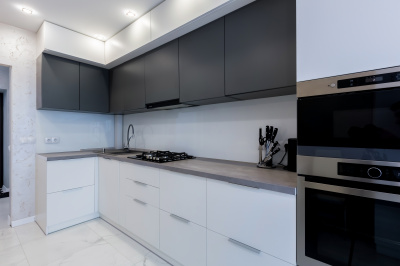
Need assistance finding kitchen worktops and splashbacks near you?
Get a QuoteFactors That Affect Worktop Installation Costs
When thinking about worktop prices, most people focus on the material. But there are many other things that change the final cost of your kitchen worktop. Some might seem small but can quickly add up.
The first thing is the size and layout of your kitchen. A small straight run is cheaper than a big U-shape or L-shape. More corners mean more joints, more cutting and more time to install. The thickness of the worktop also matters. Thicker pieces of stone or wood are heavier and cost more. They may also need stronger support in your cupboards, which might mean extra changes during fitting.
Installation costs are also affected by where you live. Labour charges in cities like London can be much higher than in smaller towns. Some companies charge extra to deliver and install worktops in flats or homes with narrow access.
Custom cut-outs for sinks, taps or hobs are another thing to think about. Each cut-out usually costs more, especially if the material is hard to cut like granite or quartz. A fancy finish or built-in draining board can also raise the price. If your kitchen units are not level or square, the fitter may have to spend more time getting everything right. This extra time means extra cost. Also, old worktops may need removing, which takes time and effort and might cost more.
Hidden Kitchen Worktop Costs to Watch Out For
Sometimes a worktop deal looks good at first, but there are hidden charges that increase the total price. These are not always clear until later, so it helps to know what to ask before you agree to anything.
One of the most common hidden costs is delivery. Some suppliers include delivery in the price, but others do not. If your worktop is heavy or going a long way, you could pay £50 or more just for getting it to your door. Fitting is another place where costs vary. Some places offer supply-only prices, and you need to hire a fitter separately. Others include the fitting in the full quote. It is important to check what the quote really covers.
If you have an old kitchen worktop, taking it out can cost extra. Some companies charge for removing and disposing of old materials. If the removal reveals problems like damp or damage, fixing them will cost more. Sealing or finishing may also not be included in the price. Granite needs sealing to stop stains. Wood needs oiling. Ask if the supplier does this before delivery or if you need to do it after it is fitted.
Small changes in your plans can also lead to extra charges. For example, if your kitchen walls are not straight and extra cutting is needed, this could increase the cost. Errors in measurements are another risk. If the worktop does not fit and must be changed, you may have to pay again.
How to Budget for Your Kitchen Worktop Project
Getting the best value from your kitchen worktop means careful planning. A clear budget will help you choose the right material and avoid nasty surprises later on. Here are some simple ways to make sure you stay in control.
Compare Quotes Carefully
Do not settle for the first price you are given. Get quotes from at least three suppliers or fitters. Make sure each one is clear about what is included. Ask about delivery, installation, sealing and any cut-outs you need.
When you compare quotes, look for differences in the details. One supplier might seem cheaper, but if they charge more for fitting or do not include finishing, they may end up costing more. Read reviews and ask questions before making a choice.
Plan for Unexpected Costs
It is wise to set aside some extra money just in case. A good rule is to allow ten to fifteen percent more than you think you will need. This gives you some room if plans change or if problems come up during fitting.
Unexpected issues like old units being damaged, needing extra cuts, or delivery delays can all affect the budget. Having a bit extra means you can handle these issues without stress.
Choose Based on Lifestyle, Not Just Looks
Try not to base your choice only on appearance. A kitchen worktop should match your lifestyle. If you have young children or cook every day, a tough, low-maintenance surface like quartz or laminate could be better than wood or marble.
Think about how much cleaning, sealing or care you are happy to do. A cheaper surface that fits your needs may be better than a luxury one that is hard to look after. In the long run, the right worktop will save you time and money.
In this article: