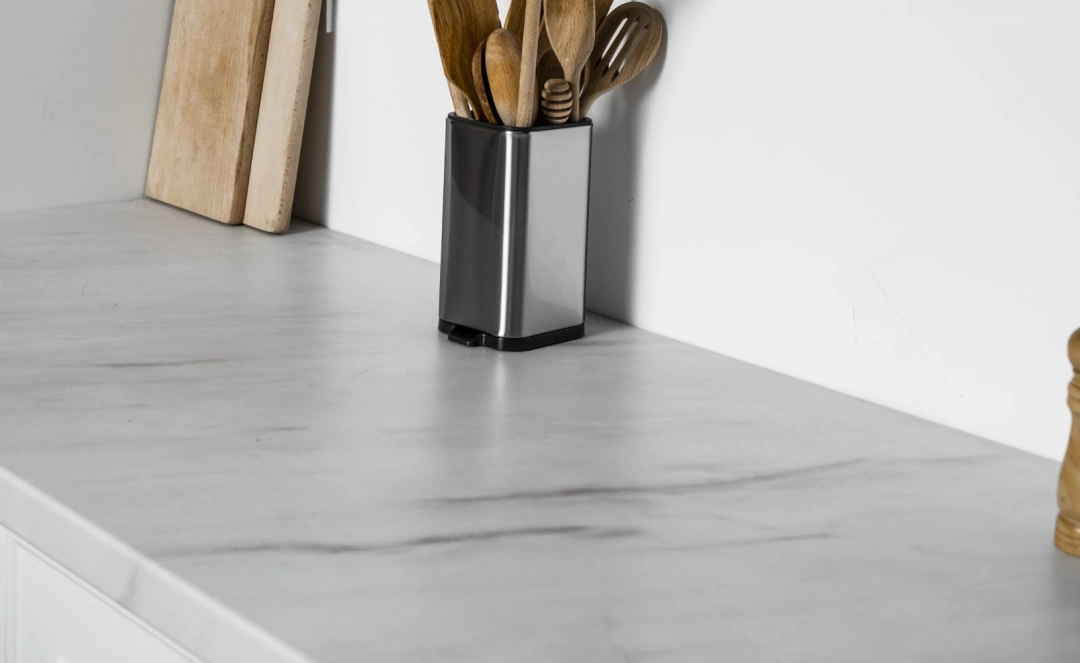
Quartz vs Granite Worktops Which Is Better for Your Kitchen?
Choosing the right kitchen worktop is one of the most important parts of planning your kitchen. It is the surface where you prepare food, place your appliances, and even gather with family and friends. It needs to be both strong and attractive.
Quartz and granite are two of the most popular worktop choices. They are both well-known for their durability and stylish look. However, they are made in very different ways and each has its own set of pros and cons.
In this article, we will explore how quartz and granite compare. We will look at how they are made, how they look, how they cope with everyday use, and which one might be better for your kitchen. This guide is designed to help you make a confident and informed decision.
The Key Differences Between Quartz and Granite
At first glance, quartz and granite might seem quite similar. They are both used in kitchens to create a smooth, polished surface. However, they are actually quite different when it comes to how they are made, how they behave, and what they need in terms of care.
Natural vs Man-Made
Granite is a natural material. It is formed deep within the earth and mined in large blocks. These blocks are then cut into slabs, polished, and shaped into worktops. No two pieces of granite are the same, which gives each kitchen a unique touch.
Quartz is not taken straight from the earth in the same way. Instead, it is an engineered material made by combining natural quartz crystals with resin and colour pigments. This mix is then pressed and heated to form a solid, smooth slab. Because of this process, quartz offers more control over the look of each piece.
Appearance and Design Choices
Granite comes in many natural colours, with flowing patterns, grains, and sparkles that cannot be copied. Some people love this natural, wild look because it brings character and beauty to a space. But, it also means there is less control over the exact look you will get.
Quartz gives more design freedom. Because it is man-made, it is available in a wide range of colours, from bright white to deep black and everything in between. It can also be made to mimic the look of marble or granite, or created with completely new patterns.
Strength and Resistance
Both materials are very strong and can last for many years. Quartz is slightly more flexible, which helps it resist cracking from impact. The added resins also make it a little easier to work with when being cut and installed.
Granite is a very hard stone, but it can be more brittle than quartz. If a heavy pan is dropped on it, there is a small risk it could chip or crack. With care, though, granite worktops can last for decades.
Porousness and Maintenance
Granite is porous, meaning it can soak up liquids like water, oil, or wine if it is not properly sealed. To protect it, granite needs to be sealed during installation and again every one or two years. This helps keep it clean, stain-free, and safe for food use.
Quartz is non-porous because of the resin used during its creation. It does not absorb liquids, so it is highly resistant to stains and bacteria. This makes quartz a good choice for homes where hygiene and easy cleaning are priorities.
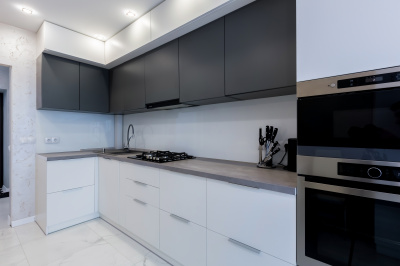
Need assistance finding kitchen worktops and splashbacks near you?
Get a QuoteWhich Worktop Handles Daily Wear Better?
When it comes to daily kitchen tasks, your worktop needs to cope with lots of different activities. From chopping and slicing to placing hot pans and spilling drinks, the surface has to be strong and safe.
Quartz is excellent at resisting stains from things like coffee, juice, and oil. Since it does not absorb liquids, spills can simply be wiped away without leaving a mark. It is also very hard to scratch with knives or utensils, although it is still best to use a chopping board.
One thing to be careful of with quartz is heat. Placing a very hot pan directly on a quartz surface can damage it. The heat might cause cracks or marks, especially if it is a sudden change in temperature. Using heat pads or trivets is always a good idea.
Granite can withstand heat better. You can often place hot pots or pans on it without causing harm. It is less likely to be damaged by heat compared to quartz. However, because granite is porous, spills left too long can cause stains unless it has been sealed properly.
In terms of everyday use, quartz may be better for homes where cleaning needs to be quick and simple. Granite is still a tough choice, but needs a little more care to keep it looking fresh and clean.
Colours, Patterns, and Visual Impact
Looks matter when designing your kitchen, and the worktop plays a big role in setting the tone. Whether you are after a classic, modern, or bold style, both granite and quartz offer plenty of options to match your taste.
Granite has a natural and earthy appearance. The swirls, spots, and veins in granite are formed by minerals deep within the rock. These natural patterns give each slab a one-of-a-kind charm that cannot be copied. It is a great choice for those who want a unique and timeless look.
Quartz, being man-made, offers a much wider range of colours and finishes. It can be polished to a high shine or made with a soft, matte surface. It can also be made to look like other materials, such as marble, without the same level of maintenance.
If you want a very specific look or colour that matches your kitchen units, walls, or floor, quartz is often the better choice. It allows for more planning and control. Granite gives a more natural feel, which suits traditional and country-style kitchens very well.
Making the Right Choice for Your Kitchen
After comparing the features of quartz and granite, the final decision comes down to what matters most to you. Think about your daily habits, your design goals, and how much time you are willing to spend on care and cleaning.
Budget and Long-Term Costs
Quartz and granite are both premium materials, so they will cost more than laminate or wood. Quartz is often slightly more expensive at the start, but it does not need sealing or special care, which can save money in the long run.
Granite might be a little cheaper per square metre, but it does need sealing every so often, which adds to the upkeep. Also, because every slab is different, some colours or patterns may cost more than others due to rarity.
Cleaning and Maintenance Needs
If you are looking for a kitchen worktop that is easy to clean and does not need much attention, quartz may be your best option. A simple wipe with soapy water is often all it needs.
Granite takes more effort. You will need to seal it regularly and be more careful with spills, especially from things like wine, tomato sauce, or oil. If you do not mind this extra work, granite is still a solid choice.
Style and Personal Taste
Granite gives your kitchen a natural and one-of-a-kind look. If you enjoy the idea of having a truly unique piece of nature in your home, granite is the way to go.
Quartz is better if you want a clean, modern look or if you need your worktop to match a certain colour scheme. It fits well in both stylish and family-friendly kitchens and gives a polished, consistent feel.
In the end, there is no wrong answer. Both quartz and granite offer beauty, strength, and lasting value. The best choice is the one that fits your kitchen and your life.
In this article: