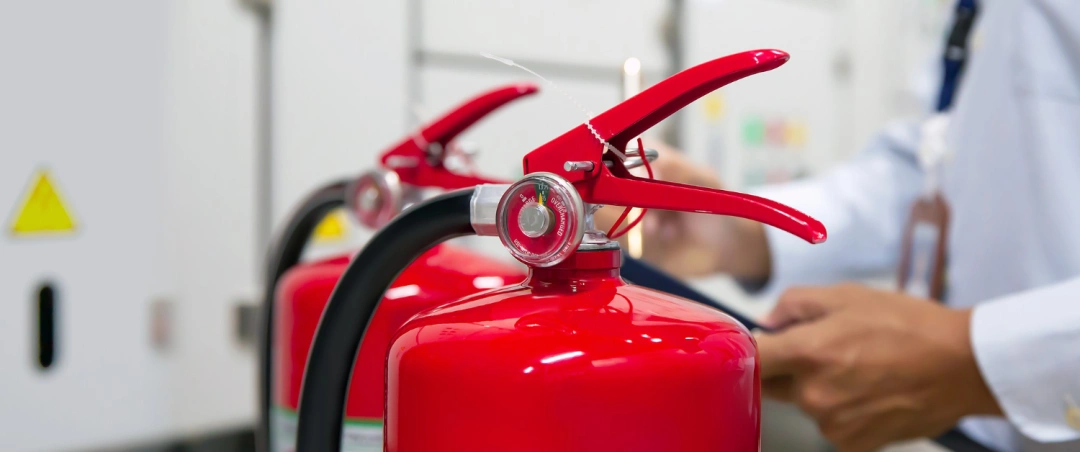
Beginner’s Guide to Buying Fire Extinguishers
Fire extinguishers are essential safety tools for homes, vehicles, shops, and workplaces. A suitable fire extinguisher can stop a small incident from becoming a serious blaze, protecting people, property, and business continuity. If you have never purchased one before, it is normal to feel unsure about types, sizes, and standards. This guide explains the basics in clear language so you can choose wisely and use your equipment with confidence.
To get value for money, you need an extinguisher that matches your risks. A kitchen has different hazards from a server room or a garage. Your choice should also consider who will use it, how heavy it feels, and where it will be installed. By the end of this article, you will know the main classes of fire, how different agents work, where to buy a compliant unit, why expert advice matters, and the simple buying tips that help first-time customers avoid common mistakes.
Understanding Fire Extinguisher Basics
Before you look at brands and prices, take a moment to learn how fires are grouped and how a fire extinguisher deals with them. This foundation helps you match the right tool to the right problem and prevents dangerous misuse.
Classes of Fire and Matching Agents
In the UK, Class A covers everyday combustibles such as wood, paper, and textiles. Class B involves flammable liquids, including petrol and paints. Class C covers gas fires. Class D is for burning metals. Class F relates to hot cooking oils and fats. Electrical risk is often marked with a lightning symbol to show the extinguisher is safe to use around live equipment.
Water extinguishers suit Class A only, because water spreads burning liquids and can conduct electricity. Foam works on Class A and B by forming a blanket that smothers vapours. CO2 is ideal for electrical equipment and some liquid fires, since it leaves no residue. Dry powder can tackle A, B, C, and some electrical fires, but the residue can reduce visibility and may harm sensitive equipment. Wet chemical is designed for Class F in commercial kitchens and also works on deep fat fryers by cooling and creating a soapy layer that prevents re-ignition.
Sizes, Ratings, and Ease of Use
Every fire extinguisher carries a rating that shows its tested performance, such as 13A or 34B. A higher number means more firefighting power, but larger cylinders can be harder to lift. Many households choose 2-litre foam or 2 kg CO2 for common risks, while larger premises may need 6-litre foam or 9-litre water units placed at regular points. Consider the user. If a child or someone with limited strength might need to act, a smaller model near likely hazards can be safer than a heavy cylinder stored far away.
Check the pressure gauge if fitted and learn the PASS technique: Pull the pin, Aim at the base of the flames, Squeeze the handle, and Sweep from side to side. Practise the steps in your head and read the label so that you do not lose time in an emergency.
Location, Mounting, and Signage
Place extinguishers on escape routes and near, but not directly next to, the risk. Kitchens, workshops, plant rooms, and areas with electrical equipment are typical spots. Wall-mounted brackets keep units visible and off the floor. In workplaces, add signs that show the type and classes covered so staff can choose the right option quickly. At home, teach family members where extinguishers are located and how to access them without moving past flames.
Maintenance and Lifespan
Fire extinguishers need routine checks to stay reliable. Look for damage, blocked nozzles, missing pins, or low pressure. In businesses, a competent person should service units yearly and record the visit on a tag. Some models require extended service or replacement after a set number of years. Even domestic users should note purchase dates and follow the manufacturer’s guidance. A well-maintained extinguisher is far more dependable than one that sits untouched for a decade.

Need assistance finding fire extinguisher sales & service near you?
Get a QuoteWhere to Buy Fire Extinguishers
There are several good routes to buy a fire extinguisher, and the best one depends on your setting and budget. The goal is to choose a trusted seller that offers compliant products and clear information, rather than simply the cheapest listing.
Specialist safety suppliers stock a wide range and can match units to your risks. Many offer bundles that include wall brackets, signs, and basic training materials. If you manage a business, look for suppliers who provide site surveys and installation so that placement follows current guidance. A specialist will also make it easier to standardise models across your premises, which keeps operations consistent for staff.
DIY stores and high street retailers often carry compact models aimed at domestic use. These can be a quick solution for flats, cars, and small workshops. Choice may be limited, so check the label carefully to ensure the extinguisher covers your main risks and displays the correct standards.
Online retailers give you a broad selection and the convenience of delivery. Compare listings with care. Confirm the product is new, certified, and supplied with the right mounting kit. Read return policies and check lead times if you are equipping a property before tenants move in. Avoid listings that lack clear photos of ratings or use vague terms instead of proper class labels.
The Importance of Professional Advice
Buying a fire extinguisher is not only about picking a cylinder and moving on. Professional advice helps you choose correctly, install safely, and stay compliant with duties as an employer or landlord. It can also save money by preventing over-buying or selecting the wrong medium.
A qualified adviser can complete a quick survey, list your hazards, and recommend the right mix of agents and sizes. For example, a busy commercial kitchen will usually need wet chemical near the cookline and CO2 for electrical panels, while an office corridor may require foam and CO2 pairs at set intervals. This tailored plan reduces confusion during an incident and ensures staff always reach a suitable option first.
Professional input also covers training. Even a short session builds confidence and teaches safe technique, including when not to fight a fire. Staff learn to keep an exit behind them, test the extinguisher with a brief burst, and back away if the flames do not shrink quickly. The session can include checks on signage, access, and housekeeping so extinguishers are never hidden by boxes or furniture.
Buying Tips Every First-Time Customer Should Know
Use these simple tips to make a smart, safe purchase. They focus on clarity, compliance, and practical use so your fire extinguisher is ready when you need it most.
Look for Clear Certification and Instructions
Choose products that show British and European standards along with visible class ratings. Labels should be easy to read with diagrams that match the PASS steps. Keep the manual in a safe spot and share a quick briefing with family or staff. If you are buying online, zoom in on the photos to confirm the rating panel is present and genuine.
Match the Extinguisher to Real Risks
Make a short list of your hazards. A lounge with a wood burner calls for a water mist or foam unit nearby. A garage with fuels and solvents benefits from foam or dry powder. For rooms full of electronics, CO2 avoids residue but lasts a short time, so pair it with foam for flexibility. In a kitchen that uses deep fat, only wet chemical is suitable. By matching risks, you avoid dangerous mistakes such as using water on oil or electricity.
Plan Placement, Access, and Checks
Decide where each extinguisher will live before you order. Place units on escape routes at chest height so the handle is easy to grasp. Keep a clear metre of space around them and avoid corners where smoke can hide the sign. Note a monthly reminder to glance at gauges and seals, and arrange annual servicing if the setting is commercial. Reorder tamper ties and pins so that lost parts are replaced immediately.
Finally, remember that a fire extinguisher is part of a wider safety setup. Fit smoke alarms, practise escape routes, and keep exits clear. Replace frayed leads, store fuels safely, and never block ventilation for heaters or tumble dryers. Good habits support your equipment and reduce the chance that you will need to use it at all.
In this article: