What Are the Different Types of Fire Extinguishers?
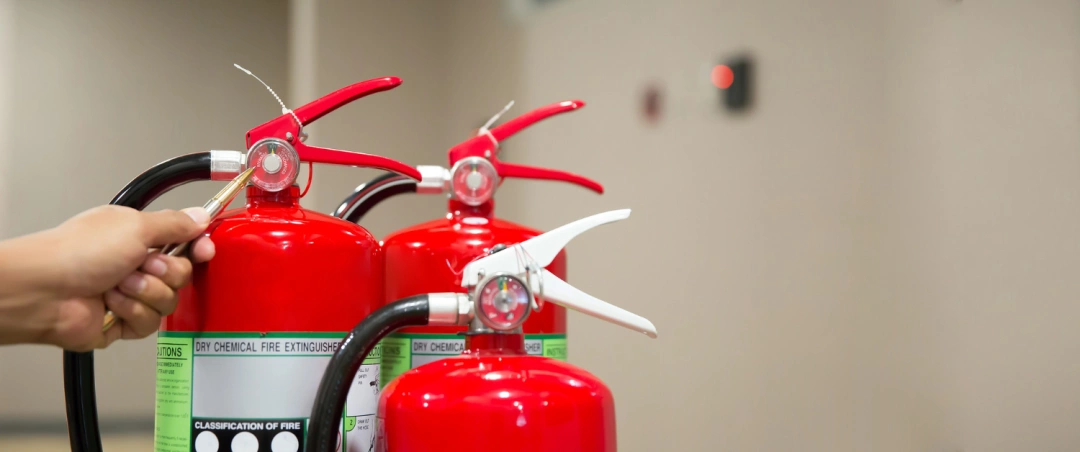
Fire extinguishers are essential safety tools found in homes, workplaces, and public areas. They are designed to stop small fires before they spread and cause serious harm. A small flame can grow quickly, so having an extinguisher nearby gives people the chance to act fast and prevent disaster.
Many people recognise fire extinguishers but may not know that there are different types. Each type is built to tackle a certain fire based on the fuel involved. Using the wrong one can be dangerous, such as spraying water on electrical or oil fires, which can make the situation worse.
This article explains the main types of fire extinguishers, how they connect to fire classes, and how to choose the right one. It also highlights safety considerations to ensure that extinguishers are used correctly in emergencies.
The Main Types of Fire Extinguishers
There are several types of extinguishers, each designed for a particular risk. Knowing how they work and where they are used helps ensure they are applied safely and effectively. Below are the most widely used types and their features.
Water Extinguishers
Water extinguishers are designed for Class A fires involving paper, wood, and textiles. They work by cooling and soaking the burning material to prevent reignition. They are simple and effective for common fire risks in everyday life, especially in areas with furniture, books, or fabrics.
However, they must never be used on electrical or flammable liquid fires, as this could spread flames or cause shock. They are best suited to schools, homes, and offices with low electrical risks. Their low cost and ease of use make them a popular option for general spaces, and they are often placed in corridors and classrooms.
Foam Extinguishers
Foam extinguishers work on Class A and B fires. Class B fires involve flammable liquids such as petrol and paint. The foam creates a layer that cuts off oxygen and cools the fire, stopping it from starting again. This dual action makes them effective in many environments where both solid and liquid fuels are present.
They are often used in workshops, car parks, and garages where fuels are stored. They are not suitable for gas fires and must be checked for electrical safety ratings before use near equipment. Although slightly more expensive than water extinguishers, their flexibility often makes them worth the investment for businesses.
CO2 Extinguishers
Carbon dioxide extinguishers are widely used for electrical and Class B fires. They remove oxygen around the flames, suffocating the fire. As they leave no residue, they are ideal in offices and areas with electronic devices like computers and servers, where powder or foam could cause damage.
They do not cool the material and discharge quickly, so the fire may restart. They are not useful for Class A fires, and the nozzle becomes very cold during use. Even so, they are a vital choice in environments with high electrical risks such as IT suites and laboratories.
Powder Extinguishers
Dry powder extinguishers are versatile, working on Class A, B, and C fires, including those caused by gases like propane. The powder smothers the flames by cutting off oxygen and disrupting the reaction. This makes them useful in areas with mixed risks, such as petrol stations or factories.
They are effective but messy, leaving residue that can damage equipment and reduce visibility. They are more suitable outdoors or in industrial sites rather than in offices or homes. While they are powerful, they should be handled with care indoors to avoid breathing difficulties and poor visibility during discharge.

Need assistance finding fire extinguisher sales & service near you?
Get a QuoteHow Fire Classes Relate to Extinguishers
Fires are grouped into classes based on the fuel that is burning. Matching the right extinguisher to the class ensures the fire is controlled safely. Understanding fire classes is important for both businesses and households.
Class A fires involve everyday solids like paper and wood. Water and foam extinguishers are suitable here. Class B fires involve flammable liquids, which can be tackled with foam, CO2, or powder extinguishers. Class C fires involve flammable gases, where powder extinguishers are most effective.
Class D fires involve burning metals such as magnesium or aluminium. These need specialist powder extinguishers, as normal types cannot cope. Class F fires are kitchen fires involving cooking oils and fats. Wet chemical extinguishers are designed for these, cooling the oil and forming a foam to stop reignition. These are especially important in restaurants or commercial kitchens where deep-fat fryers are in use.
Electrical fires, while not an official class, are common in modern settings. CO2 extinguishers are best as they do not conduct electricity or leave residue. Powder can also be used, though it is less suited to indoor spaces. Matching extinguisher types to fire classes ensures quicker and safer responses in emergencies.
Choosing the Right Extinguisher for Your Environment
Different settings carry different fire risks. Selecting the right extinguisher depends on what is most likely to catch fire in a particular place. A risk assessment is often recommended to identify the best type of extinguisher for a location and to decide where they should be installed.
In homes, Class A fires are common, so water or foam extinguishers are usually enough. Kitchens require wet chemical extinguishers for cooking oils, as water would spread the flames violently. Keeping the right extinguisher in easy reach of the kitchen can make the difference between control and disaster. Many fire services also recommend placing a fire blanket alongside an extinguisher in a kitchen for added safety.
In offices, electrical equipment presents the biggest risk. Computers, printers, and other devices can catch fire if they are faulty. CO2 extinguishers are the best option, supported by foam extinguishers for other risks. Placing them near exit routes ensures they are easy to reach in an emergency and encourages people to escape if the fire cannot be controlled quickly.
Factories and warehouses often face mixed risks involving fuels, gases, and materials. Powder extinguishers are popular because of their versatility, though they are often paired with foam or CO2 for added safety. Petrol stations rely heavily on foam and powder due to the constant risk from flammable liquids and vapours.
Public buildings such as hospitals, schools, and shopping centres must meet legal safety standards. Extinguishers must be placed where they are most needed, such as kitchens, exits, or storage areas. They should be marked clearly so that even visitors unfamiliar with the building can locate them quickly. The law also requires regular reviews to confirm that the extinguishers are appropriate and in working order.
Safety and Usage Considerations
Having extinguishers is not enough on its own. They must be used correctly, maintained regularly, and applied only when it is safe to do so. These points are vital for effective fire safety and prevention.
Proper Training and Use
People should be trained in how to use extinguishers. The PASS method is a simple guide: Pull the pin, Aim at the base, Squeeze the handle, and Sweep side to side. This ensures the fire is attacked at its source rather than at the flames above.
Without training, people may waste time or even put themselves at risk. Workplaces often include extinguisher training in safety drills, while at home, reading instructions and explaining them to family members can help. Confidence and knowledge can make a huge difference in a real emergency, allowing calm action instead of panic.
Maintenance and Inspections
Extinguishers need regular checks. Businesses usually arrange annual inspections to confirm they are in working order. At home, simple checks such as looking at the pressure gauge, ensuring the pin is intact, and keeping the nozzle clear can make sure the extinguisher is ready when needed.
Faulty or expired extinguishers can fail in critical moments. They should always be kept visible, accessible, and out of direct sunlight or extreme heat, which can affect performance over time. Records of maintenance are often required by law in workplaces, providing proof that safety checks have been carried out.
Knowing When Not to Use an Extinguisher
Extinguishers are for small, contained fires. If a fire spreads quickly, produces thick smoke, or blocks escape routes, it is safer to evacuate and call the fire service. Attempting to fight large fires can put lives in danger and waste valuable time needed for escape.
Personal safety must always come before property. While extinguishers can help save belongings, lives are the priority. Knowing when to act and when to leave is one of the most important parts of fire safety planning.
In this article: