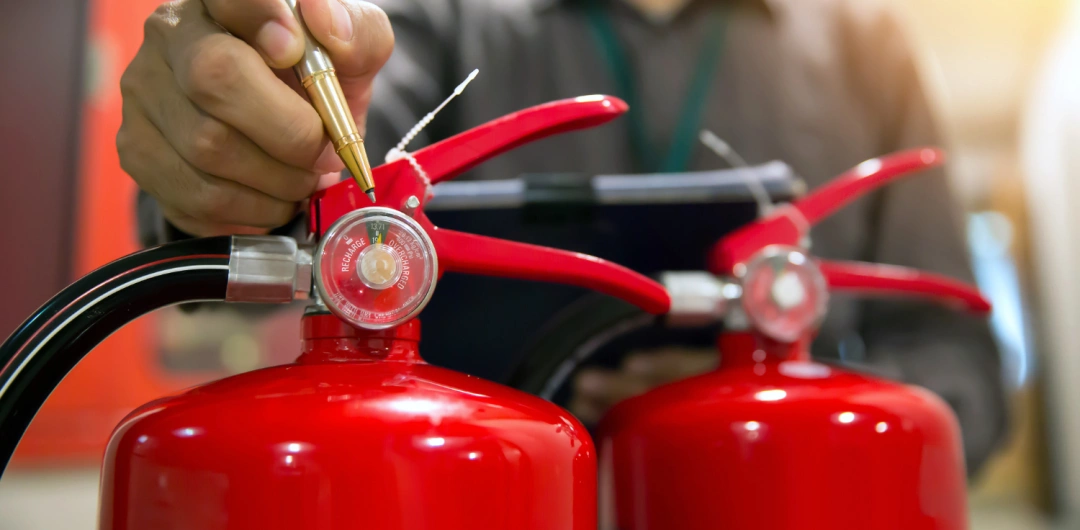
What to Expect from a Professional Fire Extinguisher Service
A professional fire extinguisher service is an essential part of maintaining fire safety in any building. Fire extinguishers are often the first line of defence in an emergency, but they will only work correctly if they have been looked after properly. Many people assume that once a fire extinguisher is purchased and placed on a wall, it will always be ready for use. In reality, these devices need regular care to remain safe and effective.
Fire extinguishers contain pressurised substances that can degrade over time, seals that can weaken, and gauges that may become inaccurate. A professional service ensures all of these parts are inspected and, if needed, repaired or replaced. Understanding what happens during a service gives peace of mind, knowing that the equipment you rely on will function when it matters most.
For businesses, landlords, schools, hospitals, and many other organisations, having properly maintained fire extinguishers is also a legal requirement. The law requires that these devices are looked after by competent professionals, and failing to do so could result in fines or legal action. More importantly, it could place people at risk if a fire were to break out and the extinguisher did not work.
This article explores the key steps of a professional fire extinguisher service, explains how compliance is achieved, highlights the importance of documentation, and looks at the wider benefits of regular servicing. By the end, you will know what to expect when booking a service and why it should never be overlooked.
The Key Steps Involved in a Fire Extinguisher Service
Every professional fire extinguisher service follows a clear process. This process is designed to make sure that extinguishers meet safety standards and are fully functional. Here are the key steps in detail.
Initial Visual Inspection
The first step is a careful look at the extinguisher. The technician will check the body for dents, rust, or cracks. The handle, nozzle, and hose are examined to ensure there is no wear, damage, or blockage. The safety pin and tamper seal must be present, as they stop the extinguisher from being used accidentally. The label must also be legible, as it contains important instructions and details about the extinguisher’s type and use.
Location is another part of this stage. Fire extinguishers must be in clear view, easy to reach, and in the right position according to fire safety guidelines. For example, they should not be hidden behind furniture or stored in cupboards. A poorly placed extinguisher could cause delays in an emergency.
Pressure, Weight and Condition Checks
Every extinguisher contains a certain amount of extinguishing agent and pressure. The technician checks the gauge to ensure the pressure is within the correct range. They also weigh the extinguisher to confirm it has not lost agent through leaks. If either test shows a problem, the extinguisher may need to be refilled or replaced. These checks are vital, as even a small drop in pressure could make the extinguisher unreliable.
Other parts, like O-rings and valves, are also examined. These small components can degrade over time but are crucial for keeping the extinguisher airtight. If there is any doubt, the technician will replace them to ensure the extinguisher is safe.
Operational Testing or Extended Service
Visual inspections and pressure checks are important, but some extinguishers require deeper servicing at set intervals. For example, water, foam, and powder extinguishers often need extended services every five years. This involves discharging the extinguisher, checking the inside for corrosion or damage, and then refilling it with fresh agent.
CO₂ extinguishers are tested differently, usually every ten years. They must undergo pressure testing in a controlled environment to ensure the cylinder is safe. This is because CO₂ extinguishers operate at very high pressures, and a weak cylinder could be dangerous. Once tested, the extinguisher is reassembled and fitted with new parts if required.
This stage may also include checking brackets, stands, and cabinets where extinguishers are stored. Safe storage prevents damage and ensures that the equipment will be ready when needed.

Need assistance finding fire extinguisher sales & service near you?
Get a QuoteCompliance and Safety Assurance
One of the main reasons for professional servicing is compliance. In the UK, the Regulatory Reform (Fire Safety) Order 2005 requires that all fire safety equipment in non-domestic premises is properly maintained. This applies to offices, schools, shops, factories, care homes, and many other buildings. Regular servicing of extinguishers is part of meeting this requirement.
Technicians follow British Standard BS 5306-3, which sets out how extinguishers should be maintained. Following this standard ensures that extinguishers are kept in good working order and that they will perform correctly during an emergency. Many technicians are also registered under the BAFE SP101 scheme, which confirms their competence and gives building owners confidence in the quality of the work.
Compliance also protects your insurance. Many insurers require proof that extinguishers are serviced regularly. If a fire were to happen and extinguishers had not been maintained, an insurer might refuse to cover the costs. By keeping up with servicing, you reduce risk, protect your investment, and ensure the safety of everyone in the building.
Beyond the legal side, regular servicing provides real safety assurance. Fires can start suddenly and spread quickly. Having a fully functional extinguisher available can stop a small fire from becoming a disaster. Skipping services might save money in the short term, but it places lives at risk.
Documentation and Professional Advice
After each service, technicians provide detailed records. This includes updating the label on each extinguisher to show the service date and the next due date. A full service report is also supplied, listing every extinguisher checked, the results of inspections, and any repairs or replacements made. This paperwork can be presented during fire safety audits or to insurance providers.
Having proper documentation not only proves compliance but also helps you plan future servicing. You can easily see when the next extended service is due or when a replacement might be required. This prevents surprises and allows you to budget for maintenance in advance.
Another important part of professional servicing is the advice given by technicians. They can recommend where to place extinguishers, how many are needed for your building, and which types are best for different risks. For example, an office may need foam extinguishers for electrical fires, while a kitchen may need wet chemical extinguishers for cooking oils. This guidance ensures that you are properly equipped for your unique environment.
Additional Benefits of Professional Fire Extinguisher Servicing
While compliance and safety are the most obvious reasons for professional servicing, there are also other benefits that make it worthwhile.
Guaranteed Expertise
Professional technicians have the training and knowledge needed to carry out servicing correctly. They understand different extinguisher types, the faults that may occur, and the best ways to resolve them. This expertise means problems are spotted early, often before they become serious.
Attempting to inspect extinguishers without training can result in mistakes. You may overlook a leak or fail to notice damage that affects performance. Using professionals ensures everything is done to a recognised standard.
Improved Safety and Reliability
Servicing not only keeps extinguishers compliant but also ensures they will work when required. In an emergency, seconds matter, and having an extinguisher that discharges properly can make the difference between a minor incident and a major fire. Regular checks mean you can trust your extinguishers to perform reliably.
It also reassures staff, residents, or visitors that they are protected. Knowing that equipment is regularly checked encourages confidence and promotes a culture of safety in your building.
Cost Efficiency
Although servicing has a cost, it often saves money in the long run. Replacing extinguishers only when necessary, instead of prematurely, reduces waste and expenses. Regular checks also prevent failures that could lead to higher repair or replacement costs later.
Many service providers offer maintenance contracts or packages, which spread the cost and ensure you never miss a service. These agreements make budgeting easier and guarantee ongoing compliance without the need to book checks individually.
Finally, avoiding fines or legal issues from poor fire safety saves considerable money and stress. The small expense of servicing is minor compared to the potential costs of neglecting this essential task.
In this article: