How Often Should Fire Extinguishers Be Serviced in the UK?
Fire extinguishers are a vital part of safety in the UK. They are designed to deal with small fires quickly, reducing the chance of serious injury, loss of life, or major damage. By tackling a fire in its early stages, extinguishers give people time to escape and prevent flames from spreading further. They are found in workplaces, schools, public buildings, and many homes. But like all safety equipment, extinguishers must be kept in good condition. A neglected extinguisher might not work at the crucial moment, putting people and property at serious risk.
In the United Kingdom, there are clear standards and legal requirements that explain how often fire extinguishers should be serviced. These rules are designed to ensure extinguishers remain reliable and ready for use at all times. This article explains the servicing schedule, the law for businesses, what happens during a professional service, and the reasons why regular maintenance is so important.
Understanding Fire Extinguisher Servicing Requirements
The main guidance comes from British Standard BS 5306, which sets out how fire extinguishers should be maintained. This standard explains the different levels of checks needed, who should carry them out, and how often they should take place. Following these rules keeps extinguishers safe and effective.
Monthly Visual Checks
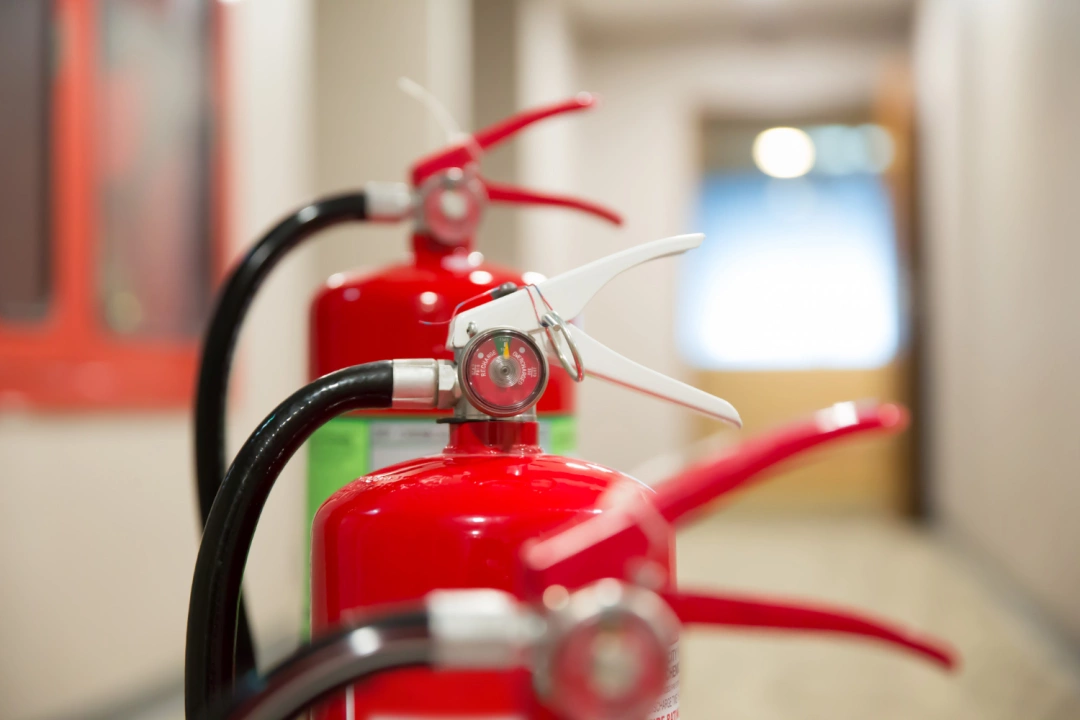
Each month, a responsible person should carry out a visual check of all extinguishers in the building. This check ensures that the extinguisher is in the right place, clearly visible, and easy to reach in an emergency. The responsible person should look for any signs of damage, confirm that the tamper seal and safety pin are intact, and check the hose and nozzle for wear or blockages. If the extinguisher has a gauge, the needle must be in the green zone to show it has the correct pressure.
Monthly checks are quick and straightforward, but they play an important role in spotting issues early. For example, extinguishers can be moved accidentally, discharged slightly, or tampered with. Without these checks, such problems could go unnoticed until the extinguisher is needed, which could lead to failure in an emergency. If any issue is found, the extinguisher should be taken out of service and replaced or repaired straight away.
Annual Servicing by a Competent Person
Once a year, extinguishers must be serviced by a trained technician. This is more thorough than a visual check and involves a detailed inspection of all components. The technician will examine the extinguisher body, safety pin, handle, and gauge. They will check the seals, weigh the extinguisher to ensure it has not lost contents, and confirm that the type of extinguisher is suitable for the area where it is placed. For example, a kitchen will usually require a wet chemical extinguisher rather than water or foam, which would be unsafe in that environment.
Annual servicing is important because extinguishers can develop hidden faults over time. Even if they look fine on the outside, seals may deteriorate, or the pressure may drop slowly. A yearly service ensures these problems are identified and corrected, giving confidence that the extinguisher will work properly when needed.
Extended Servicing
Every five years, most extinguishers require extended servicing. This type of service involves discharging the extinguisher completely, testing it, and refilling it. During this process, parts such as hoses, valves, and seals may be replaced. Extended servicing is especially important for water, foam, and powder extinguishers. The test ensures that the extinguisher can still operate at full capacity and that it has not developed internal problems.
Although extended servicing takes longer and costs more than a standard service, it provides reassurance that extinguishers will perform correctly after years of use. Without it, there is no guarantee that the extinguisher would work effectively in a real fire situation.
Replacement or Overhaul
After around ten years, extinguishers usually need to be replaced or completely overhauled. Over time, the materials inside an extinguisher can degrade, and the body can weaken. Even if the extinguisher has never been

Need assistance finding fire extinguisher sales & service near you?
Get a QuoteLegal Responsibilities for UK Businesses
Fire safety in the UK is covered by the Regulatory Reform (Fire Safety) Order 2005. This law applies to all non-domestic premises, such as offices, shops, warehouses, schools, hospitals, and rental properties. The law places responsibility on a “responsible person”, usually the employer, building owner, or manager. Their role is to make sure fire risks are assessed and that suitable safety measures are in place, including properly maintained fire extinguishers.
The responsible person must ensure that extinguishers are provided in appropriate locations, are of the correct type, and are regularly serviced by a competent person. Annual servicing is not optional but a legal duty. Failure to comply with the law can result in fines, enforcement notices, or even criminal prosecution. In the most serious cases, unsafe buildings can be closed until problems are resolved.
Fire authorities have the power to carry out inspections and enforce the law. If extinguishers are found to be neglected, they can take immediate action. Insurance is also directly affected. If a fire occurs and extinguishers were not maintained, insurers may refuse to pay for the damage. This leaves businesses facing repair costs, compensation claims, and loss of income. Proper servicing is therefore essential for legal compliance and financial protection.
What Happens During a Fire Extinguisher Service?
During a service, a trained technician will carry out a full inspection. They will begin by checking the extinguisher body for signs of damage such as dents, cracks, or rust. The hose, nozzle, and operating handle will be examined for blockages or wear. The safety pin and tamper seal will also be tested to make sure the extinguisher has not been tampered with.
The pressure gauge is checked to ensure it shows the correct reading. Some extinguishers are weighed to confirm they still contain the correct amount of agent. In certain cases, the extinguisher may be inverted or gently shaken to prevent the contents from settling or clumping. The technician also checks that the instructions on the label are clear and easy to read.
Once all checks are complete, the extinguisher is cleaned and fitted with a service label showing the date and the technician’s details. A written report is also provided. This report should be kept in the fire logbook as proof of compliance with the law. These records can be inspected by fire officers or requested by insurance companies in the event of a fire.
Why Regular Servicing Is Essential
Servicing fire extinguishers is essential for several reasons. It ensures extinguishers are reliable, protects lives, reduces damage, and helps businesses stay within the law. Skipping or delaying services puts people at risk and can have serious legal and financial consequences.
Protecting Lives and Property
A working extinguisher can stop a small fire from spreading, saving lives and reducing injuries. Without regular servicing, extinguishers may fail due to low pressure, corrosion, or damaged parts. Servicing ensures they will work when needed. It also helps protect property by containing fires quickly, preventing them from causing major destruction.
Meeting Legal and Insurance Requirements
Regular servicing demonstrates compliance with UK law and provides evidence for insurance purposes. Fire officers and insurers often ask to see servicing records. Without these records, businesses may face fines, enforcement action, or rejected insurance claims. Keeping up to date with servicing gives peace of mind and proves a commitment to safety.
Saving Money in the Long Term
While servicing has a cost, it saves money in the long term. Well-maintained extinguishers last longer and reduce the risk of expensive replacements. More importantly, servicing helps prevent major fire damage, which can lead to huge costs for repairs and lost business. Servicing should be viewed as an investment in both safety and financial security.
In this article: