Outdated Wiring
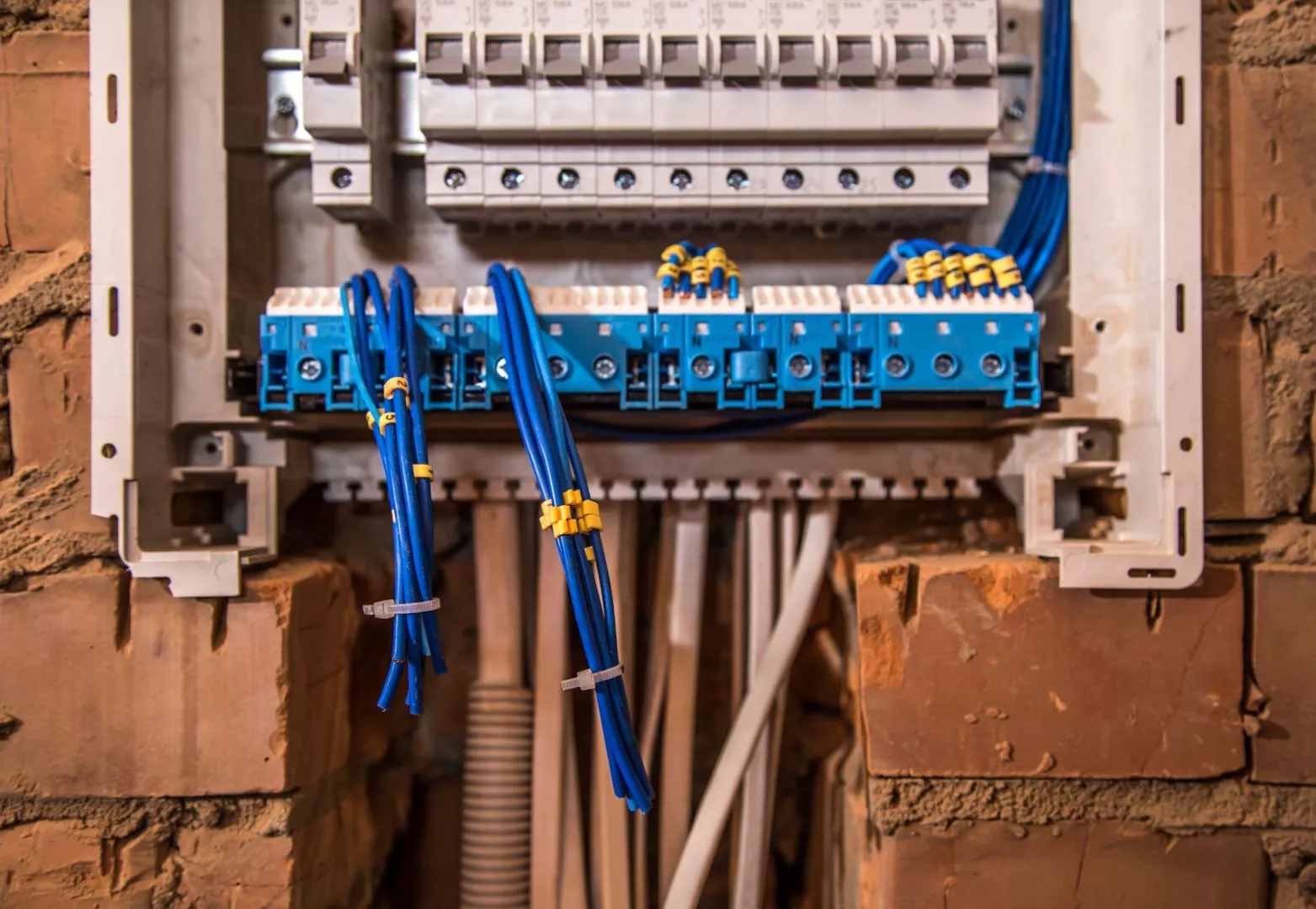
Many older homes in the UK still have outdated wiring, which can pose significant safety risks. Electrical systems from decades ago weren’t designed to handle the high power demands of modern appliances, computers, and entertainment systems. As a result, older wiring can become overloaded, leading to electrical faults, shocks, or even fires.
One sign of outdated wiring is the presence of knob-and-tube wiring, which lacks proper grounding and is no longer considered safe. Another warning sign is cloth-insulated cables, which deteriorate over time, increasing the risk of exposed wires and electrical fires. Homes with aluminium wiring instead of copper may also face overheating and loose connections, which can be hazardous.
Frequent circuit breaker trips, flickering lights, and warm or discoloured outlets are common indicators that your wiring may be outdated. If your home still has an old fuse box instead of a modern circuit breaker panel, it may not be providing adequate protection. Having a professional electrician inspect and update your wiring can significantly improve safety, ensuring your home meets current electrical standards while reducing fire risks.
Electrical Panel Overloads
Older electrical panels were not designed to handle the amount of electricity used in modern homes. As we rely more on high-powered appliances and technology, outdated panels can struggle to distribute power safely, leading to frequent issues. An overloaded panel poses a serious fire risk and can cause electrical failures throughout the home.
Signs of an Overloaded Panel
There are several warning signs that indicate your electrical panel may be overloaded. Frequent tripping of circuit breakers, flickering lights, or a burning smell near the panel are common red flags. If your panel feels warm to the touch or you hear buzzing sounds, it could be struggling to manage the electrical load. Ignoring these issues may increase the risk of an electrical fire or damage to your home’s wiring.
When to Replace a Fuse Box
Many older homes still have fuse boxes instead of modern circuit breaker panels. While fuse boxes were once effective, they are now considered outdated and less safe. Replacing blown fuses frequently, finding melted fuses, or struggling to find compatible replacement fuses are signs that it's time for an upgrade. A modern circuit breaker panel provides better safety features, handles higher electrical loads, and reduces fire hazards.
Modern Appliances and Old Panels
Homes built decades ago were not wired for today’s high-powered appliances. Washing machines, dishwashers, air conditioners, and home entertainment systems all require more electricity than older panels were designed to handle. If you frequently experience power surges or need to unplug devices to prevent overloads, your panel may not be sufficient. Upgrading your electrical panel ensures your home can safely support modern energy demands without risk of failure or fire.

Need assistance finding electrical repairs near you?
Get a QuoteUngrounded Outlets
Many older homes still have ungrounded outlets, which lack the third prong needed for safe electricity flow. Without grounding, excess electricity has no safe path to dissipate, increasing the risk of shocks, power surges, and electrical fires. These outlets are outdated and unsafe for modern appliances, which are designed to work with grounded systems.
Ungrounded outlets also offer no protection against power surges, making electronics more vulnerable to damage. Additionally, they can increase the risk of electric shocks, as faulty appliances or wiring may send stray electricity through a person instead of grounding it safely. Using two-to-three-prong adapters may seem like a fix, but they do not provide real grounding and leave devices unprotected.
If your home has ungrounded outlets, consider upgrading to grounded ones. This may require rewiring to add a ground wire, but it significantly improves safety. Alternatively, ground fault circuit interrupter (GFCI) outlets can offer some protection without full rewiring. Addressing ungrounded outlets helps safeguard your home, appliances, and family from electrical hazards.
Frequent Power Surges
Power surges occur when there is a sudden spike in voltage, potentially damaging appliances, shortening the lifespan of electronics, and increasing fire risks. While occasional surges happen due to lightning or power grid issues, frequent surges often indicate problems within your home's electrical system.
Common causes include faulty or outdated wiring, overloaded circuits, or large appliances cycling on and off. Older wiring may struggle with modern power demands, while excessive devices plugged into a single circuit can lead to sudden voltage spikes. Appliances like refrigerators and air conditioners can also cause fluctuations if your electrical panel isn’t distributing power efficiently.
External factors, such as issues with the power grid or faulty utility equipment, may also contribute. If surges affect your entire neighbourhood, contacting your utility provider is advisable.
Using surge protectors can help protect sensitive electronics, but frequent surges require professional attention. An electrician can inspect your wiring, upgrade outdated systems, and install whole-house surge protection to stabilise your electrical system and prevent further damage.
Lighting and Outlet Issues
Older homes often experience problems with lighting and outlets due to outdated wiring, wear and tear, or an electrical system that wasn’t designed to handle modern power demands. Flickering lights, buzzing switches, dead outlets, and inconsistent power can all indicate underlying electrical issues that should not be ignored. Addressing these problems can improve both safety and functionality in your home.
Flickering or Dimming Lights
If your lights flicker or dim when you turn on an appliance, it may indicate an overloaded circuit or faulty wiring. Older electrical systems may struggle to distribute power evenly, causing lights to lose brightness when high-energy devices, such as a microwave or air conditioner, are in use. Flickering can also result from loose connections, which can increase the risk of overheating and fire.
Dead or Non-Functioning Outlets
Outlets that don’t work can be frustrating and may point to an issue with the circuit, wiring, or electrical panel. In older homes, outlets can wear out over time, leading to weak connections. If multiple outlets stop working at once, it could indicate a tripped breaker or a deeper electrical fault that requires professional inspection.
Buzzing Switches and Outlets
Buzzing sounds from switches or outlets suggest loose wiring, faulty connections, or an overloaded circuit. These issues can cause excessive heat build-up, increasing the likelihood of electrical fires. If you hear buzzing or feel warmth when touching a switch or outlet, it’s best to turn off the power and have an electrician investigate.
Inconsistent Power Supply
Some electrical devices may work intermittently or lose power unexpectedly due to aging wiring, overloaded circuits, or failing outlets. Inconsistent power can cause damage to appliances and electronics, leading to costly repairs. If you notice this issue frequently, it may be time to upgrade your home’s electrical system.
Lighting and outlet issues are often warning signs of deeper electrical problems. Regular inspections and necessary upgrades can prevent hazards, improve energy efficiency, and ensure a safe and reliable electrical system for your home.
In this article: