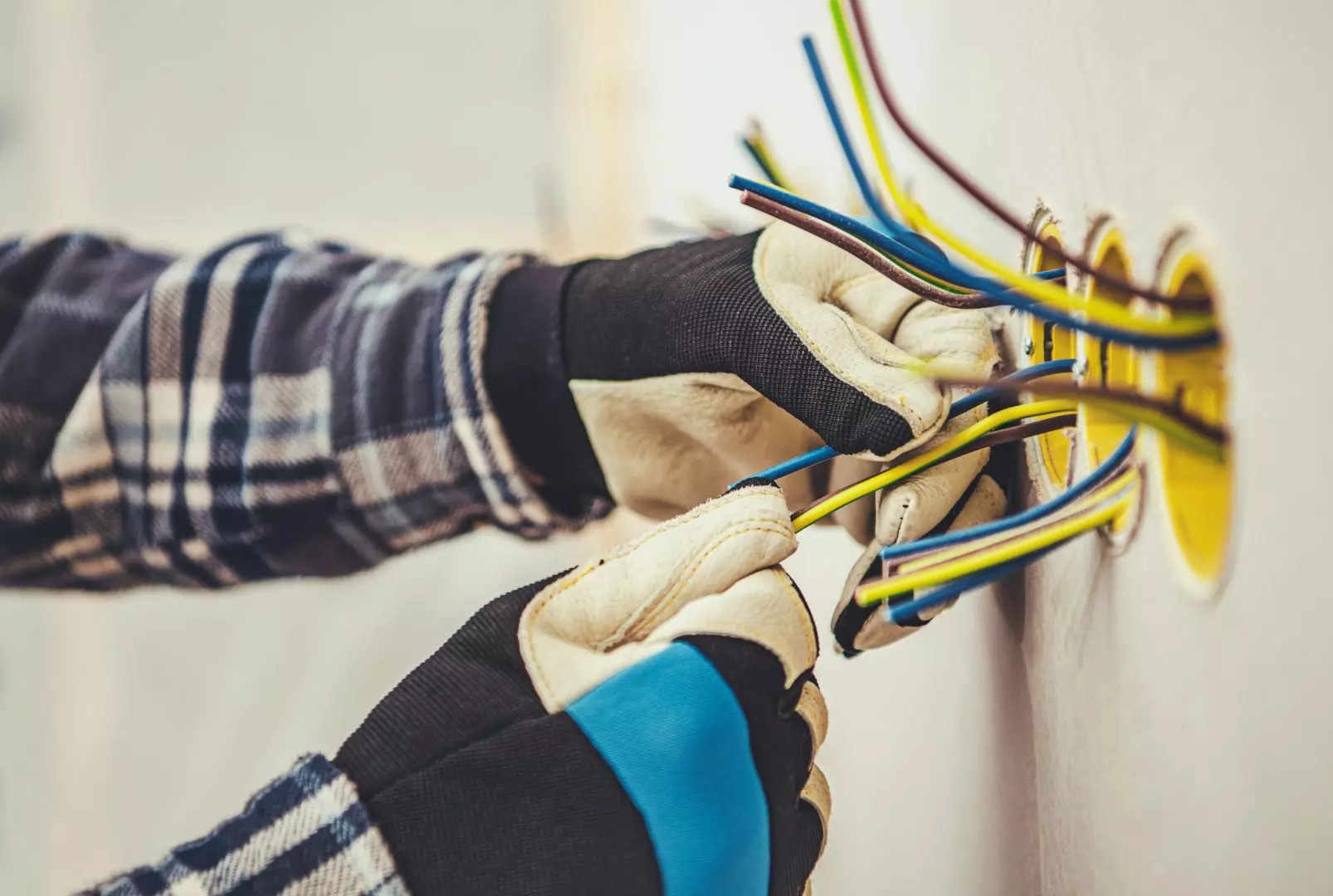
What is the Life Expectancy of Electrical Wiring?
Electrical wiring is an essential component of any home, ensuring that electricity is safely distributed throughout the property. The lifespan of wiring varies depending on the material used, the quality of the installation, and how well it has been maintained. On average, electrical wiring lasts between 25 and 40 years, but certain types, such as modern copper wiring, can last longer if properly cared for.
Older homes, especially those built before the 1980s, may still have outdated wiring systems that are not designed to handle today's electrical demands. Knob-and-tube wiring and aluminium wiring, commonly used in older houses, are particularly prone to deterioration over time. As wiring ages, it can become brittle, corroded, or damaged, increasing the risk of electrical faults and fire hazards.
Regular inspections and maintenance are crucial to extending the lifespan of your home’s wiring. Signs of wear and tear, such as frayed insulation, discolouration, or overheating outlets, indicate potential issues. If you are unsure about the condition of your wiring, it’s advisable to have a professional electrician conduct a thorough assessment. Keeping your electrical system up to date ensures a safer and more efficient home, reducing the risk of electrical failures and hazards.
Signs That Your Home’s Wiring is Failing
Recognising the warning signs of failing wiring is crucial for maintaining a safe and functional home. Electrical issues can start small but may develop into serious hazards, including fires or electric shocks. If you notice any of the following issues, it may be time to have your home's wiring inspected by a professional electrician.
Flickering or Dimming Lights
If your lights flicker or dim unexpectedly, especially when using other appliances, this could indicate an overloaded circuit or loose connections. While a single flicker might not be a major concern, frequent or widespread flickering suggests a more serious underlying issue.
Burning Smells or Scorch Marks
A burning smell with no obvious source, particularly near outlets or switches, is a red flag. This could indicate that wiring is overheating, which poses a fire risk. Scorch marks on outlets or switches also suggest electrical arcing, a dangerous condition that needs immediate attention.
Sparks or Electric Shocks
If you see sparks when plugging in appliances, this could be due to worn-out wiring or a faulty outlet. Similarly, a slight shock when touching switches or appliances may signal improper grounding or deteriorating wiring. These signs should never be ignored, as they could lead to electrical fires or injury.
Hot or Discoloured Switches and Outlets
Outlets and light switches should remain cool during use. If they feel warm or hot to the touch, it could mean that wiring behind the walls is overheating. Discolouration or burn marks around outlets may indicate short circuits or excessive heat build-up, both of which require professional attention.
Frequent Tripped Circuit Breakers
Circuit breakers are designed to protect your home by shutting off power when an electrical overload occurs. However, if your breakers trip frequently without an obvious cause, it may suggest that your home’s wiring is outdated or unable to handle your electrical needs. An electrician can determine if rewiring or a panel upgrade is necessary.

Need assistance finding electrical repairs near you?
Get a QuoteWhat Are The Dangers Of Faulty Wiring?
Faulty wiring is a serious hazard that can lead to fires, electric shocks, and damage to appliances. If your home's wiring is old, damaged, or poorly installed, it puts you and your family at risk. Below are the main dangers of faulty wiring and why it’s important to address issues quickly.
Electrical Fires
Worn-out or damaged wires can overheat, spark, and cause fires. Electrical faults are one of the leading causes of house fires, often starting in walls where they go unnoticed until it’s too late.
Electric Shocks
Exposed or frayed wiring can cause electric shocks when touching appliances, outlets, or switches. In severe cases, this can lead to serious injury or even be fatal.
Power Surges
Faulty wiring can cause sudden power spikes, damaging expensive electronics like computers, TVs, and kitchen appliances.
Overloaded Circuits
Older wiring may not be able to handle modern electrical demands, leading to overheating, frequent breaker trips, and potential fire risks.
Buzzing or Burning Smells
If you hear buzzing sounds or notice a burning smell near outlets, this is a clear warning sign of electrical faults that need immediate attention.
Regular inspections and timely repairs can help prevent these dangers, keeping your home safe.
When Should You Rewire vs. Repair?
It can be hard to tell if you need a full home rewiring or just a simple repair. The best way to decide is to look at the age of your wiring and the problems you are experiencing.
If your home is over 30 years old and has never been rewired, it’s likely time for an update. Old wiring wasn’t built for modern appliances and can become unsafe over time. Signs that you need a full rewiring include frequent power cuts, burning smells, flickering lights, or outlets that feel hot. If you still have knob-and-tube or aluminium wiring, rewiring is the safest option.
If you only have a small issue—like a broken outlet, a faulty switch, or a single tripped breaker—then a repair should be enough. An electrician can fix minor problems quickly without needing to replace all the wiring.
If you're adding new appliances or renovating your home, you may also need to upgrade your wiring. This ensures your electrical system can handle the extra load safely.
If you’re unsure, a qualified electrician can inspect your home and tell you whether a repair or full rewiring is the best solution. Fixing problems early will help keep your home safe and up to date.
What to Expect During a Home Rewiring Project
Rewiring a home is a big project, but it’s necessary to ensure your electrical system is safe and up to modern standards. If your home has old or faulty wiring, a full rewire can prevent hazards like electrical fires and power failures. Understanding the process can help you prepare for what’s involved.
Initial Inspection
A qualified electrician will assess your home’s wiring to determine the extent of work needed. They will check for outdated materials, overloaded circuits, and potential fire hazards.
Planning and Cost Estimate
Once the inspection is complete, the electrician will create a plan outlining what needs to be replaced. They will also provide a cost estimate and discuss any additional upgrades, such as adding more outlets or upgrading the fuse box.
Removing Old Wiring
During the rewiring process, electricians will remove outdated wiring and install new, safer cables. This may involve cutting into walls, ceilings, or floors to access the electrical system.
Installing New Wiring
New wiring, outlets, switches, and circuit breakers will be installed to meet modern electrical demands. This ensures your home can safely handle appliances, lighting, and technology.
Testing and Final Checks
Once the new wiring is in place, electricians will test the entire system to ensure everything is working safely and efficiently.
Rewiring a home can take several days to weeks, depending on its size and complexity. Although it may be disruptive, it’s a necessary investment for long-term safety and reliability.
In this article: