Can I Do an Electrical Repair Myself?
When it comes to electrical repairs, safety should always be the top priority. While some minor electrical tasks can be carried out by homeowners, many require a qualified electrician due to legal regulations and the risks involved. In the UK, the law under Part P of the Building Regulations outlines what work can and cannot be done by an unqualified person.
Simple repairs such as replacing a fuse, changing a light bulb, or resetting a tripped circuit breaker are generally safe for homeowners to handle. However, anything involving rewiring, installing new sockets, or modifying circuits must be done by a professional to ensure compliance with safety standards.
Attempting complex electrical repairs without the necessary knowledge can lead to serious hazards, including electric shocks, fire risks, and potential damage to the electrical system. Even if the work seems straightforward, a minor mistake can have dangerous consequences. Additionally, carrying out work without the proper certification can lead to issues when selling a property, as an electrical installation certificate is often required.
For peace of mind and compliance with UK regulations, it is always best to consult a qualified electrician when dealing with significant electrical repairs. Knowing when to seek professional help is key to ensuring both safety and efficiency in your home’s electrical system.
Electrical Repairs That Don't Require an Electrician
Replacing a Light Bulb
One of the easiest electrical tasks is replacing a light bulb. Before doing so, turn off the switch to avoid any risk of electric shock. Choose the correct wattage and type of bulb for your fixture. LED bulbs are a popular, energy-efficient choice that lasts longer than traditional incandescent bulbs.
When changing bulbs in ceiling fixtures, use a stable ladder and avoid standing on chairs or unstable surfaces. If a bulb is stuck, use a rubber grip or gloves to get a better hold while twisting it out. Never force a jammed bulb, as it could shatter.
Resetting a Tripped Circuit Breaker
When too many appliances run simultaneously or an electrical fault occurs, a circuit breaker may trip, cutting power to the affected circuit. Fortunately, resetting a breaker is a simple task.
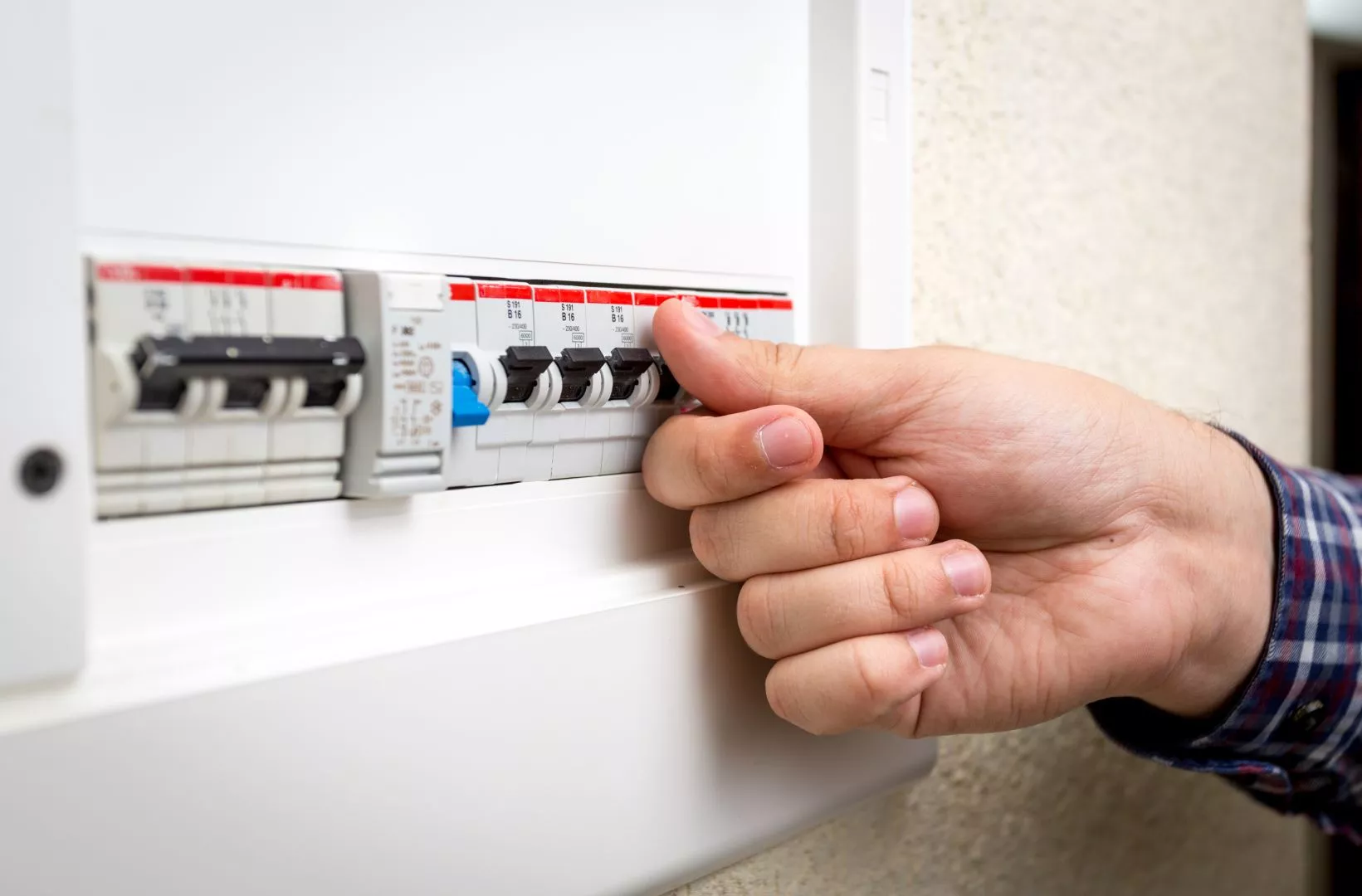
First, locate your home's fuse box or consumer unit. Identify the breaker that has flipped to the "off" position or is in between "on" and "off." Turn it fully off before switching it back on. If it trips again immediately, unplug the appliances connected to that circuit and try again.
Repeated tripping could indicate an issue such as an overloaded circuit or faulty wiring, requiring an electrician’s inspection.
Changing a Fuse in a Plug
Some electrical appliances, particularly those with UK three-pin plugs, have fuses that can blow due to power surges. If an appliance stops working, checking the fuse in the plug is a quick fix.
First, unplug the device and use a screwdriver to open the plug’s casing. Remove the old fuse and check its amp rating, usually printed on the fuse. Replace it with a fuse of the same rating—using the wrong one could damage the appliance or cause safety risks.
Once replaced, close the plug casing and test the appliance. If the fuse blows again soon, there may be a fault in the appliance or supply, requiring professional attention.

Need assistance finding electrical repairs near you?
Get a QuoteTools You Need for DIY Electrical Repairs
Having the right tools is essential for carrying out basic electrical repairs safely and effectively.
An insulated screwdriver helps prevent accidental electrical contact, while a voltage tester allows you to check if a circuit is live before starting any work. For minor wire repairs, a wire stripper removes insulation without damaging the copper wire, and a pair of pliers is useful for bending and cutting wires.
A cable cutter is handy for cutting thicker wires cleanly, and electrical tape helps insulate exposed wires for safety. A small electrical tester can also be useful for diagnosing simple faults in fuses or appliances.
Finally, safety gear such as insulated gloves and safety glasses provides extra protection. Even for small repairs, taking precautions reduces the risk of accidents.
While these tools can help with minor fixes, always work within your skill level. If a job seems beyond your expertise, call a qualified electrician.
Tools You Need for DIY Electrical Repairs
Electrical work, even minor repairs, carries risks. Taking proper safety precautions can help prevent injuries and ensure repairs are done correctly.
Turn off the power at the mains before working on any electrical component. Even for simple tasks like changing a socket cover, switching off the power reduces the risk of electric shock. Use a voltage tester to confirm the circuit is off before proceeding.
Use insulated tools designed for electrical work. Electrical screwdrivers and pliers with insulated handles reduce the risk of shocks. Never use metal tools that are not meant for electrical repairs.
Ensure your work area is dry and free from moisture, as water conducts electricity. Never work on electrical systems with wet hands or in damp conditions.
If an electrical issue seems complex, call a qualified electrician. Attempting work beyond your skill level can result in serious hazards, including fires and electrocution.
Electrical Repairs That Always Require an Electrician
Rewiring a Property
Rewiring a home involves replacing outdated or damaged electrical circuits, which requires expert knowledge and compliance with UK building regulations. Poorly executed rewiring can lead to fire hazards and electrical failures. This work must be carried out by a qualified electrician to ensure safety and proper certification.
Installing New Power Sockets
While changing a socket cover is a simple task, installing a completely new power outlet requires modifications to the wiring system. This process involves running new cables, making electrical connections, and ensuring compliance with safety regulations. Any errors could result in electrical faults or fire hazards, making it essential to hire an electrician.
Upgrading the Consumer Unit (Fuse Box)
Replacing or upgrading a consumer unit is a complex job that involves direct work with the main electrical supply. An improperly installed consumer unit can cause circuit overloads, electrocution risks, and even fires. UK law requires a certified electrician to complete and sign off on consumer unit upgrades to ensure compliance with electrical safety standards.
Fixing Faulty Wiring or Electrical Faults
If you experience flickering lights, frequent power cuts, or overheating electrical components, an electrician should be consulted. These signs often indicate deeper wiring problems that require professional diagnosis and repair. Attempting to fix faulty wiring without the proper knowledge can worsen the issue and pose serious safety risks.
While some minor electrical repairs can be done by homeowners, tasks that involve wiring modifications, safety-critical components, or working with high-voltage systems should always be handled by a qualified electrician. Hiring a professional ensures that work is done safely, meets UK regulations, and reduces the risk of future electrical hazards.
In this article: