Custom vs Pre-Made Signs: A Full Comparison for Business Owners
Choosing the right signs and banners for your business is an important decision that directly influences how customers view your brand. Signs are often the first point of contact a customer has with a business, so they must be clear, professional, and engaging.
When it comes to choosing signage, business owners often face a choice between custom signs, which are designed from scratch to meet specific requirements, and pre-made signs, which are mass-produced and ready to purchase off the shelf.
Both can be effective in promoting a business, but they differ in flexibility, cost, production time, and the long-term impact they can have.
This article provides a complete comparison of these two options, helping business owners make an informed decision. We will explore their differences, the situations in which one might be better than the other, and how they compare in terms of cost, upkeep, and return on investment.
To ensure you choose the right option, it is important to understand how each type of sign works in real-world settings. This involves looking beyond simple cost and considering design, brand impact, lifespan, and how each type fits into your overall marketing plan.
Key Differences Between Custom and Pre-Made Signs
Although both types of signs serve the same overall purpose, their features, production processes, and results can be quite different. Understanding these differences can help you choose the best option for your situation.
Design Flexibility
Custom signs offer complete control over the design, from the choice of colours and fonts to the shape, size, and imagery used. This level of flexibility ensures that the sign reflects your brand’s style and communicates the right message to your customers.
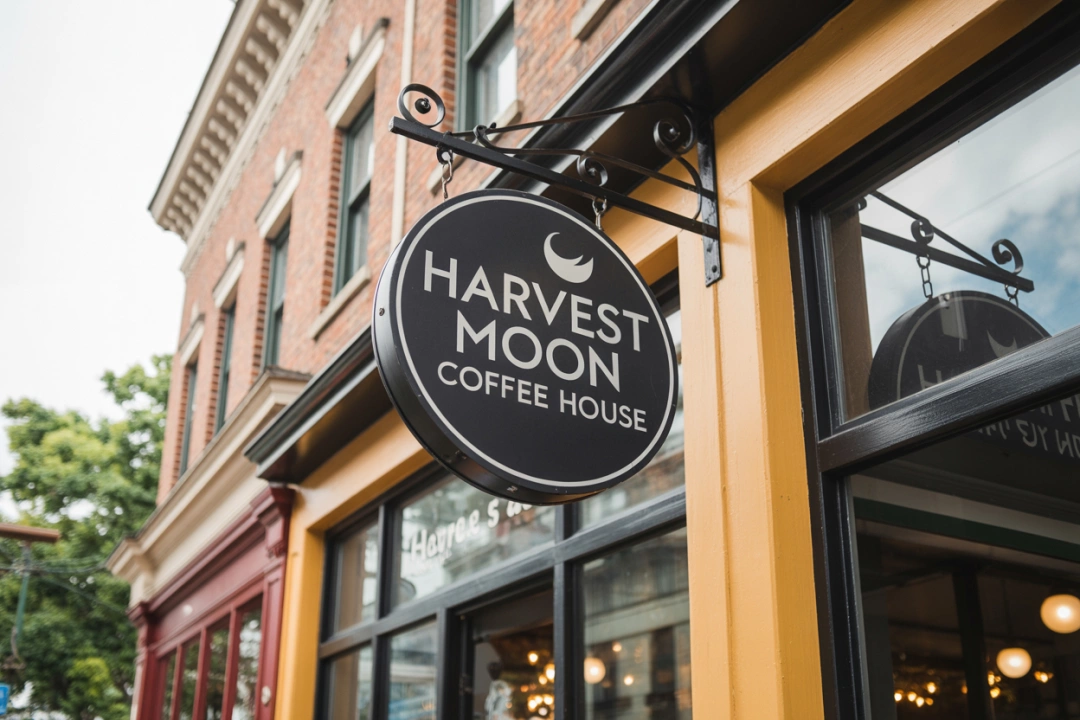
For example, a coffee shop could create a rustic wooden sign with hand-painted lettering that reflects its cosy atmosphere, while a technology store might opt for a sleek acrylic design with LED lighting to show a modern, high-tech image.
Pre-made signs, by contrast, come with fixed designs and limited customisation options. While you might be able to choose from a selection of templates, the ability to add personal touches such as brand-specific colour schemes or unique messages is often minimal.
Production Time
Creating a custom sign usually takes more time, as it involves a design stage, review and approval of proofs, and sometimes specialised manufacturing methods. This means that custom signs are best for projects where you can plan ahead and wait for production.
Pre-made signs are available instantly, making them an excellent choice for urgent needs such as last-minute sales, temporary promotions, or unexpected events that require immediate communication.
Material Quality
When you order a custom sign, you have the option to select high-quality, durable materials that can withstand outdoor weather conditions, sunlight, and wear over time. You can choose from metals, treated woods, or high-grade plastics depending on your needs.
Pre-made signs are typically made with standard materials suitable for short-term use. While they can be durable enough for indoor purposes, they may not last as long as a well-crafted custom sign, especially in outdoor settings.
Brand Impact
A custom sign can enhance your brand identity by matching your logo, colours, and tone perfectly. This creates a professional and consistent image that customers will remember and associate with your business.
Pre-made signs may not align perfectly with your brand image, which can lead to a less distinctive or polished look. However, for general messages such as “Open” or “Sale”, a pre-made sign can still be effective and practical.
Need assistance finding signs and banners near you?
Get a QuoteWhen Custom Signs Are the Better Choice
Custom signs help you make a strong and lasting first impression. They allow you to shape the design so it matches your brand style, tone, and message. This is useful for businesses that rely on a unique look to stand out on a busy high street or in a crowded retail park.
They suit permanent or high-value placements such as storefront fascias, wayfinding across large sites, and feature banners for flagship events. With control over size, materials, and lighting, you can create a sign that looks professional in all conditions and lasts for years.
Custom builds also solve tricky site issues. If your space has unusual dimensions, limited mounting points, or strict local rules, a tailored design can meet those limits while still looking neat and clear. The end result is a sign that fits perfectly and works hard every day.
For premium venues and brands, custom signs can lift perceived quality and support higher price points. A well crafted, well placed sign builds recognition, earns trust, and turns more passers-by into customers over time.
When Pre-Made Signs Make More Sense
Both custom and pre-made options can deliver value, but they do so in different ways. Think about upfront spend, care over time, and how much business each sign can bring in during its lifespan.
Initial and Ongoing Costs
Custom signs cost more at the start because they include design, tailored materials, and specialist production. Pre-made signs are cheaper to buy, which helps when cash flow is tight or the message will change soon.
Maintenance Needs
Well-specified custom signs often need only cleaning and basic checks, especially when made from weather-resistant materials. Lower cost pre-made items may fade, crack, or tear sooner outdoors, which leads to more frequent replacements.
Return on Investment
Custom signs can return more over time through stronger visibility and brand fit, especially in permanent locations. Pre-made signs work well for short bursts such as sales and events, but their impact tends to be shorter and less tied to long-term brand growth.
Cost, Maintenance, and ROI Comparison
Both types of signs involve different costs, upkeep requirements, and potential returns. Understanding these factors will help you decide which is the most suitable choice for your needs.
Initial and Ongoing Costs
Custom signs tend to have higher upfront costs because of the design work, high-grade materials, and manufacturing involved. However, their durability can mean fewer replacements over time, making them cost-effective in the long run.
Pre-made signs are much cheaper to buy, but because they are often made from lower-cost materials, they may need replacing more frequently. If you rely heavily on them for repeated use, these costs can add up over the years. For example, a retail store using pre-made sale banners every few months might find the total annual cost close to that of a single durable custom sign designed to be reused for years.
Maintenance Needs
High-quality custom signs usually require very little maintenance apart from cleaning. Materials like powder-coated metal or weatherproof plastic are designed to resist fading, rust, and wear, reducing upkeep costs.
Pre-made signs can deteriorate faster, especially when exposed to sunlight, wind, or rain. In many cases, it is not practical to repair them, meaning they need replacing instead, which increases maintenance expenses. Seasonal signs made from cheaper vinyl, for example, may fade or tear after just one season of outdoor use, leading to more frequent purchases.
Return on Investment
A well-designed custom sign can pay for itself through increased visibility, stronger branding, and higher customer engagement. Because it is built to last, it can continue to deliver results for years without significant extra investment.
Pre-made signs can still provide a positive return, particularly for short-term campaigns or seasonal events. However, because they are less personalised and often less durable, their long-term marketing impact is usually lower compared to a custom sign. The right choice depends on how you plan to use the sign. If you want an asset that represents your business for years, a custom sign is the better investment. If you want something quick and temporary, pre-made signs can be the more practical option.
In this article: