How Much Do Business Signs Cost in the UK and What Affects the Price
Business signs work hard every day. They tell people who you are, what you do, and where to find you. A clear sign can guide someone from the pavement to your door, while a dull or damaged sign can put them off. Choosing the right sign is a practical way to improve footfall and confidence in your brand.
The price of a sign in the UK depends on more than print and paint. Size, materials, finish, and lighting all play a role. So do design time, fitting, and aftercare. Costs also vary by region, access, and the need for permissions. This guide explains the usual price ranges and the main reasons why quotes can differ.
We use simple language to make the numbers easier to follow. Prices listed are broad averages that help with planning. Your final quote will depend on the details of your order. If you compare a few suppliers and check what is included, you will be able to choose a sign that fits your goals and your budget.
As you read, keep your main aim in mind. Do you need a short term banner for a sale or a long term shop front sign that must look smart for years. Each choice affects cost, lead time, and upkeep.
Common Types of Business Signs and Their Average Costs
There are many sign formats. Some work best for a quick message and others are built to last. Below we outline common options you will see on the high street and in business parks, along with ballpark figures.
Printed Banners
Banners are flexible, light, and quick to produce. Most are printed on PVC or mesh that can handle wind and rain. A small banner for indoor use may start around £20 to £40, while a large outdoor banner can range from £60 to £150 depending on size, eyelets, and finishing.
Because banners are simple to hang and remove, they are cost effective when you change messages often. You can roll them for storage and reuse them if the design stays relevant. The lifespan varies with weather and handling.
Shop Front Signs
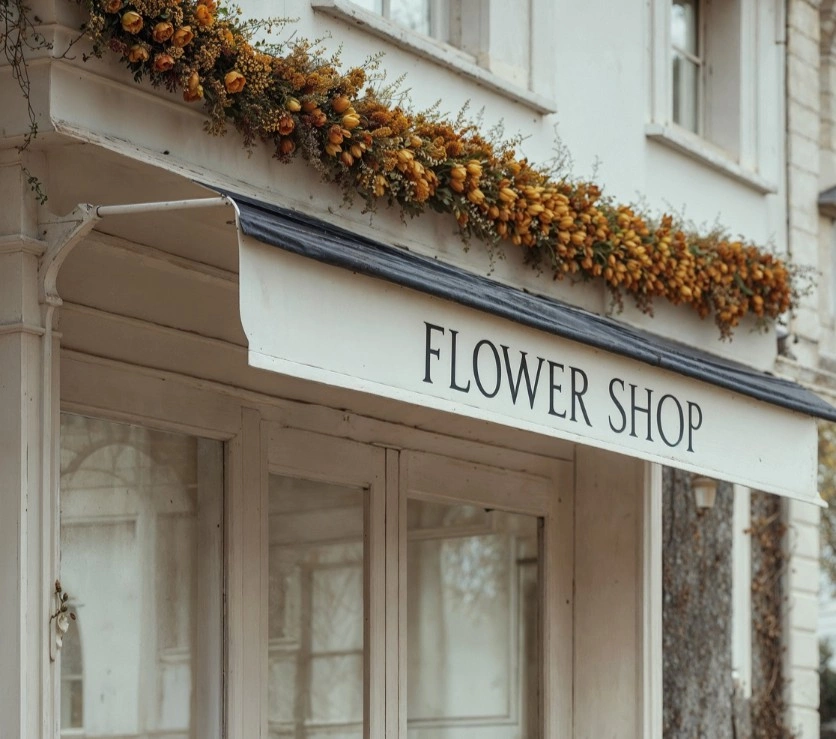
A shop front sign is the centrepiece of street facing branding. Common builds include printed trays, flat panels, and 3D letters. A basic non lit fascia may cost £200 to £800. Signs with built up letters or illumination can range from £800 to £2,500 or more, based on size and detail.
Lighting has the largest impact here. LED trough lights, halo lit letters, or backlit panels improve evening visibility and tend to increase conversion. The extra wiring and transformers add to the supply and the fitting cost.
Window Graphics
Window graphics turn glass into useful space for branding, hours, and offers. Options include cut vinyl letters, printed panels, and one way films. Small sets can start around £50 to £100. Full window coverage for a wide frontage may run £200 to £600 depending on coverage and print quality.
One benefit is how quick it is to refresh the message. You can remove and replace vinyl without major work. For landlords or sites with limits on external signs, window graphics can deliver a strong effect without structural changes.
Post and Panel Signs
Post and panel signs stand at entrances, car parks, and road verges. They are built for weather and high visibility. A small single post sign may cost £300 to £600. Larger double post signs with more height and reflective faces can range from £700 to £1,500 or beyond.
These signs often guide first time visitors, so clarity matters. Double sided layouts help on two way approaches. If the site is exposed, heavier posts and deeper footings reduce wobble and extend the life of the sign.
Need assistance finding signs and banners near you?
Get a QuoteKey Factors That Influence the Cost of a Business Sign
Several factors shape the final figure on your invoice. First is size. Bigger signs use more material and take longer to make and fit. A compact hanging sign will be cheaper than a wide fascia or a tall freestanding unit. Consider how far away people will stand and choose the minimum size that keeps text readable.
Next is material. PVC and standard vinyl are affordable and suit banners and simple panels. Aluminium composite gives a flat, clean finish at a moderate price. Acrylic and stainless steel look premium and can be formed into 3D letters. Timber offers warmth but needs sealing and care. Stronger and thicker materials boost longevity but lift the cost.
Lighting is another driver. Non lit signs cost less to produce and fit. LED lit and backlit options improve night time impact and help you stand out on dark streets. They also add parts such as drivers, cables, and fixings. If power is far from the sign location, allow for extra electrician time to run safe and hidden feeds.
Getting the Best Value on Your Business Sign
Good value does not always mean the lowest ticket price. A cheap sign that fades fast or cracks in frost can cost more in the long run. Aim for a clear brief, a timeless layout, and a build that suits daily use. If you are open late, spend on lighting. If you face strong sun, ask for UV stable inks and lamination.
Gather a few quotes that include supply, design, and fitting where needed. Check whether removal of old signage, access equipment, and electrical work are included. Ask for product specs in plain terms. For example, confirm the thickness of panels, the grade of vinyl, and the type of LEDs. This helps you compare like with like and avoid surprises later.
If funds are tight, phase the project. Start with the main fascia or a clean banner to get the site trading. Add window graphics, projecting signs, and internal wayfinding once revenue grows. Consistent colours and fonts across signs, banners, and print keep your brand stable while you build out the rest over time.
Additional Costs to Consider When Budgeting for Signage
Beyond the price of the sign itself, there are connected costs that can change the total project spend. Some are one offs and others recur. Planning for them now avoids delays and last minute add ons.
Installation, Access, and Safety
Fitting costs vary with height, access, and complexity. A small wall sign at ground level may need simple tools and two people. A large fascia or a sign above a shop awning can require towers, lifts, or road permits. Ask for a site survey so the quote reflects real conditions.
Groundworks also matter for freestanding signs. Posts need holes, concrete, and time to set. On paved areas, reinstatement is needed to leave the site tidy. If your site is busy, plan the install for a quiet period to reduce lost trade.
Design, Proofing, and File Setup
Some suppliers include basic layout time in the price. Complex artwork, redraws of logos, or new brand creation usually cost more. Budget for design if you do not have print ready files. Ask for proofs and a clear check of spelling, colours, and sizes. Small errors on a screen become large and costly on a finished sign.
If you plan to reuse designs across banners, leaflets, and your website, request files that suit both print and digital use. Simple shapes and high contrast colours read well at distance. Avoid very thin lines or crowded text.
Planning Permission, Licences, and Ongoing Care
Some signs need formal consent, especially in conservation areas or on listed buildings. Councils charge fees and may take several weeks to decide. It is wise to speak to your local planning team early so you understand what is allowed and what evidence is needed to support the application.
After installation, allow a small budget for cleaning, checks, and minor repairs. Wipe downs extend the life of vinyl and acrylic. Replacing a damaged letter or a failed LED driver is cheaper than waiting until the whole sign looks tired. A simple care plan keeps your site looking sharp and protects the money you invested.
In this article: