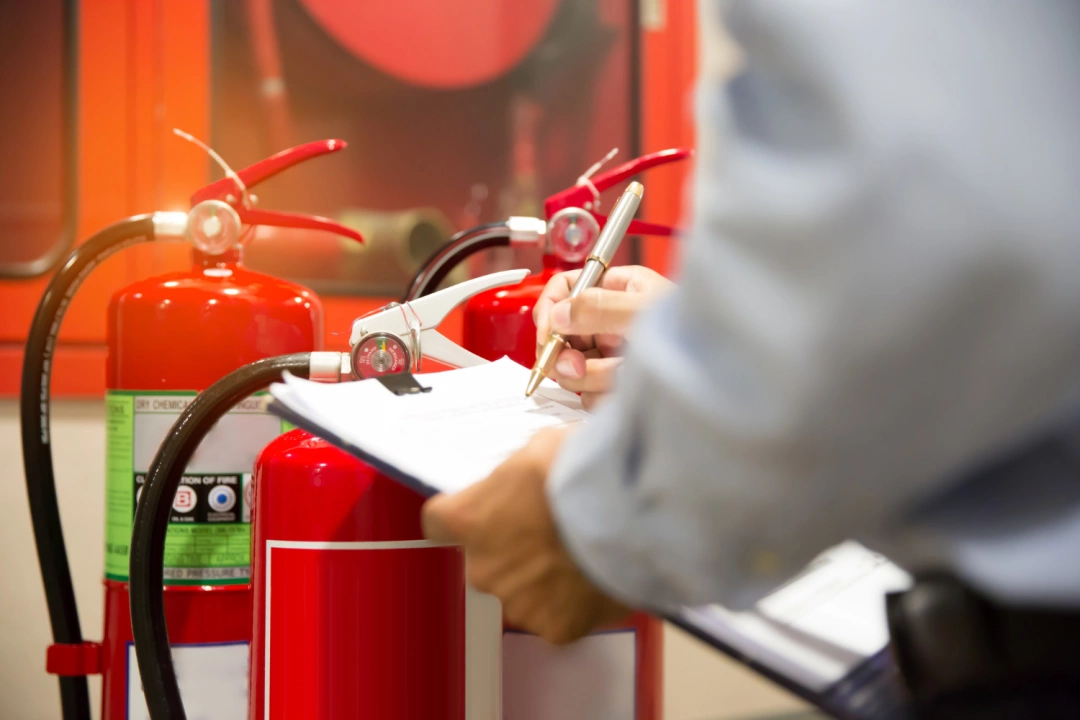
What Happens If You Don’t Service Your Fire Extinguishers?
Fire extinguishers are vital safety devices that are often overlooked once installed. Many people believe that simply having them in place is enough, but this is not true. Like any other piece of safety equipment, they require routine checks and servicing to ensure they work when needed most. Ignoring this important step could lead to dangerous and costly outcomes.
If you fail to service your fire extinguishers, you may face situations where they do not function properly during an emergency. This could put people’s lives at risk, increase fire damage to property, and even create legal and financial challenges for a business or property owner. To avoid these risks, it is crucial to understand why servicing matters and what could happen if it is neglected.
The Immediate Risks of Skipping Servicing
Not servicing fire extinguishers has consequences that can be felt right away. Fires are unpredictable and can grow very quickly. In those critical first moments, the ability to grab an extinguisher and stop a fire before it spreads can make the difference between a small incident and a large-scale disaster. If an extinguisher has not been serviced, there are several risks that could make it fail at the worst possible time.
Failure to Operate
One of the most common problems with neglected extinguishers is complete failure to operate. If the handle jams, the pressure is gone, or the nozzle is blocked, the extinguisher will be useless. Fires double in size every minute, so even a short delay can turn a controllable situation into one that requires evacuation and the fire service. In many cases, fires that could have been managed with a working extinguisher end up destroying entire rooms or buildings because the equipment did not work.
Reduced Firefighting Power
Even if an extinguisher does spray, it may not perform properly. If the pressure is low or the extinguishing agent has deteriorated, the stream will be weak and less effective at controlling flames. For example, powder extinguishers can clump over time, reducing their ability to spread evenly. This makes them far less effective against fast-moving fires, leaving people exposed to danger and forcing them to abandon the effort and wait for professional firefighters.
Leaks and Damage
Fire extinguishers are built to last, but they are not indestructible. If they are not serviced, slow leaks can go unnoticed, leaving them empty or under-pressurised. Corrosion, dents and other forms of damage can weaken the cylinder, making it unsafe to use. In rare cases, faulty extinguishers may even rupture under pressure, posing a risk of injury to anyone nearby. Regular servicing helps to detect these problems before they become dangerous.
False Confidence
Seeing fire extinguishers on the wall often gives staff and visitors a sense of safety. However, this confidence is misplaced if the extinguishers are not properly maintained. In a real fire, discovering that the extinguisher does not work can cause panic and confusion. Instead of acting quickly to control the fire, people may waste valuable time trying to use faulty equipment, putting themselves in greater danger.

Need assistance finding fire extinguisher sales & service near you?
Get a QuoteLong-Term Consequences for Safety and Compliance
The dangers of neglected extinguishers do not end with immediate risks. Over time, the decision to skip servicing can have long-lasting effects on both safety and compliance. A building that is not protected by reliable fire extinguishers is always at greater risk of serious fire damage, injuries and loss of life.
From a legal perspective, UK fire safety regulations make it clear that extinguishers must be serviced regularly by qualified professionals. This usually means a basic service once a year, along with a more thorough test every five years, depending on the type of extinguisher. If inspections are ignored, business owners and property managers can face fines, enforcement notices, or even closure until compliance is restored. For landlords, neglecting this duty may also breach tenancy agreements and expose them to claims if a fire occurs.
Another consequence involves insurance. Insurance companies expect businesses and property owners to meet safety standards. If a fire breaks out and it is discovered that extinguishers were not serviced, an insurer may reduce or refuse to pay a claim. This could leave the owner responsible for all repair costs, lost income and legal expenses. In some cases, this financial burden can cause businesses to close permanently.
Beyond legal and financial issues, there is also a reputational risk. Staff, customers and visitors expect a safe environment. If a fire occurs and extinguishers fail due to poor maintenance, trust can be destroyed. A company known for ignoring safety rules may find it harder to attract staff, win contracts, or retain loyal customers. In contrast, businesses that take safety seriously build stronger reputations and long-term trust.
Finally, neglecting servicing increases the chance of serious injury or loss of life. Fires are unpredictable, and people rely on extinguishers to provide immediate protection. Without servicing, this essential layer of defence disappears, leaving lives at unnecessary risk.
Why Regular Servicing Is Always the Better Choice
Regular servicing ensures that fire extinguishers will be ready and safe to use at any time. During a service, trained engineers check the pressure, inspect the cylinder, clean the nozzle, and confirm that each extinguisher is suitable for its location. They also replace or refill extinguishers that are damaged, empty or past their safe life span. This gives peace of mind that equipment will work when needed most.
Another key benefit is that servicing prevents small issues from becoming serious faults. A small leak, for example, can be repaired during a service before the extinguisher loses all pressure. Similarly, any corrosion can be identified and dealt with early, preventing a dangerous failure later. By catching problems early, businesses save money and reduce risks.
Keeping up with servicing also ensures compliance with the law and avoids fines or enforcement action. It demonstrates that a business values safety and takes its responsibilities seriously. Staff and visitors are more likely to feel confident in a workplace where they know safety equipment is maintained to a high standard. This can boost morale and reassure clients or partners.
In addition, servicing costs are low compared to the potential losses from fire damage. Paying for a yearly service is far cheaper than covering the cost of destroyed stock, equipment or premises. When weighed against the possible financial and human costs of a fire, regular servicing is clearly the better and more responsible choice.
Ultimately, fire extinguishers are there to save lives. Skipping servicing not only breaks the law but also puts people at risk. Regular checks ensure that extinguishers are ready to do their job, offering the best chance of controlling a fire before it grows out of control.
Which Option Suits Your Business Best?
Although all businesses must service their fire extinguishers, the way this is managed can vary depending on size, risk level and resources. Choosing the right option helps ensure full compliance while keeping costs under control.
In-House Checks and Professional Servicing
Most workplaces benefit from carrying out basic in-house checks alongside professional servicing. Monthly visual inspections by staff can confirm that extinguishers are present, accessible and undamaged. Any concerns can then be raised with the servicing company. Annual visits by a qualified engineer provide the detailed checks required by law, ensuring equipment remains safe and reliable.
Service Contracts
Some organisations prefer to sign up for a service contract with a trusted provider. This option removes the worry of remembering servicing dates, as the provider schedules visits automatically. Service contracts often include replacement of faulty extinguishers and detailed records of all maintenance, making it easy to prove compliance during inspections. For medium-sized businesses, this is often the most convenient and reliable choice.
Full Fire Safety Packages
Larger organisations, or those in higher-risk industries such as manufacturing, hospitality or healthcare, may choose a complete fire safety package. These packages often cover not just extinguishers, but also alarms, emergency lighting, fire doors and staff training. By managing every element of fire safety together, these packages create a consistent approach that reduces the chance of oversights. They also make budgeting easier, as all services are combined into one plan.
Regardless of which option you choose, the key point remains the same. Fire extinguishers must be serviced regularly to protect people, property and businesses. Taking action now ensures you are prepared for any emergency, avoids legal problems, and provides reassurance that safety is always a priority.
In this article: