
Do UK Businesses Have Legal Responsibilities for Car Park Cleanliness?
In the UK, many businesses own or manage car parks as part of their premises. These spaces may serve customers, staff, delivery drivers or the general public. But while car parks are often seen as simply a place to park vehicles, their cleanliness carries more importance than many realise.
Car park cleaning is not only about maintaining a tidy appearance. It is also connected to health, safety, environmental care and legal duties. If a business fails to keep its car park in good condition, it may face risks such as accidents, fines, legal action or even loss of custom.
In this article, we look at whether UK businesses are legally required to keep their car parks clean. We will explain the laws that may apply, how cleanliness relates to safety regulations and the possible consequences of failing to maintain your car park properly.
You will also learn practical steps your business can take to stay compliant and make sure your car park stays clean, safe and welcoming for everyone who uses it.
Legal Duties That May Apply to Business Car Parks
Although there is no single rule that directly states a business must clean its car park, several laws together create a legal duty to do so. These laws relate to safety, the environment and how properties are managed.
The Health and Safety at Work Act 1974
This law requires all employers to protect the health, safety and welfare of their staff and anyone affected by their business. This includes visitors, contractors and members of the public who may use the car park.
If the car park surface is dirty, slippery or cluttered, it could lead to accidents such as slips, trips or falls. The business would be expected to take reasonable steps to prevent such risks. Keeping the area clean, removing hazards and performing regular checks can help meet this duty of care.
For example, if oil spills are left untreated or leaves are allowed to build up and rot, these create real dangers. If someone is injured, an investigation could find the business at fault for not keeping the area clean and safe.
The Occupiers’ Liability Act 1957
This law makes businesses responsible for the safety of their premises. If the car park is under your control, you are legally required to make sure it is safe for use by lawful visitors. This means spotting hazards, fixing problems and making the area safe to walk or drive on.
Car park cleaning plays a big role here. Regular cleaning prevents the build-up of rubbish, oil, dirt, algae or other hazards that could lead to injury. A claim for injury may succeed if the court finds that the car park was not kept in a clean and safe condition.
Environmental Protection Act 1990
Under this law, businesses have a duty to keep their land clear of waste and litter. If your car park is untidy, has overflowing bins or contains waste materials, your local council may issue a notice or fine. These powers are especially enforced in areas with heavy foot traffic or public access.
Regular car park cleaning helps you manage waste properly, maintain hygiene and prevent environmental damage. It also ensures your site does not become a breeding ground for pests or rodents, which may pose public health concerns.
Building Regulations and Planning Agreements
When a new building or car park is developed, planning permission may include conditions about future maintenance. These conditions may cover cleaning, drainage or surface upkeep. If your business agreed to any such rules, failing to clean the car park could breach the planning terms.
Some commercial leases also include clauses that require tenants to keep external areas, such as car parks, clean and tidy. If ignored, this could cause legal issues with landlords or property managers.
Need assistance finding car park cleaning near you?
Get a QuoteHow Car Park Cleanliness Links to Health and Safety Rules
Car parks are more than just places to leave vehicles. They are shared spaces used by pedestrians, cyclists and drivers. When not cleaned regularly, they can become dangerous in many ways. UK health and safety rules are in place to prevent such dangers.
Dirty car park surfaces can become slippery, especially when wet or covered in moss or algae. Oil spills, food waste and rotting leaves all add to the risk. These problems can lead to slips and falls, particularly for older people or children. If someone is hurt in your car park, your business could face a claim or fine if you fail to take steps to clean the area.
Damaged surfaces also pose safety problems. Potholes and cracks can harm pedestrians or damage vehicles. Litter or fly tipping in the car park may hide trip hazards or encourage anti-social behaviour. All of these are avoidable with routine car park cleaning and basic inspections.
Health and safety regulations require businesses to carry out risk assessments of their sites. That includes the car park. These assessments should consider cleanliness, drainage, visibility and surface condition. A safe and clean car park helps meet these requirements and keeps everyone protected.
Fines, Insurance Issues and Consequences of Neglect
Ignoring the condition of your car park may seem like a small matter, but the risks are real. There are legal, financial and reputational consequences that could impact your business if proper car park cleaning is not carried out.
In the event of an injury on-site, your business may be taken to court. If the injury was caused by a hazard such as a slippery surface, litter, or poor lighting, you may be found liable. Compensation payments, legal fees and investigation costs can be expensive and time-consuming.
Your business insurance may also be affected. Most policies expect you to take steps to reduce risk. If you cannot show that the car park was cleaned and maintained, your insurance provider might refuse to cover a claim. This could lead to large out-of-pocket expenses or policy cancellation.
Local councils have the power to fine businesses that allow waste to build up or cause public health concerns. These fines can range from several hundred to several thousand pounds. Repeated breaches can lead to court action and even business disruption orders.
Reputation matters too. If customers or clients arrive at your site and see rubbish, dirt or poor lighting, it may affect how they view your brand. They may choose to go elsewhere, leave bad reviews or avoid recommending your business to others.
Neglecting your car park can also lead to damage over time. Surface erosion, blocked drains and weed growth can shorten the life of the car park and cost more to fix later. Preventive cleaning is often far cheaper than repairs or legal claims.
Keeping Your Business Compliant with Cleaning Standards
To protect your business, follow best practices for car park cleaning. A proactive approach helps you meet legal duties, reduce accidents and present a professional image. You do not need to wait for a problem to act. Simple steps now can prevent bigger issues in future.
Create a Cleaning and Inspection Plan
Start with a schedule that suits your car park size and usage. A small car park might only need cleaning once a week, while a busy one may need daily checks. Your plan should include removing litter, clearing leaves, cleaning up spills and checking lighting and signage.
Make sure you assign responsibility to staff or use a trusted cleaning service. Keep records of what tasks were done and when. These logs help prove that you took reasonable steps to keep the site safe, should a claim or complaint arise.
Use the Right Equipment or Hire Professionals
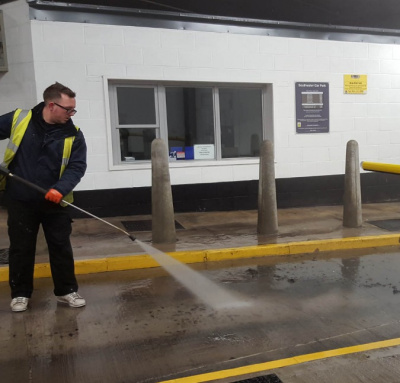
Basic cleaning, such as sweeping and bin emptying, can be handled in-house. However, for deep cleaning, you may need specialist tools like pressure washers, gum removers or oil treatment equipment. Professional cleaning companies have the right tools and knowledge to deal with all types of car park surfaces.
They can also help with regular maintenance, drain clearance and line marking. A professional service may cost more upfront, but it can save money by preventing fines, repairs or legal issues later on.
Monitor and Improve Regularly
Cleaning is not a one-time task. Conditions can change with weather, seasons and usage. Review your plan regularly to make sure it still fits your needs. Ask staff or customers for feedback, and adjust cleaning schedules as needed.
Check for signs of wear, damage or dirt buildup. Keep drains clear and lighting in working order. Even small improvements to your car park cleaning routine can make a big difference to safety, appearance and compliance.
In this article: