
How Often Should You Schedule Car Park Cleaning for a Commercial Site?
Car parks are one of the first places people see when they arrive at a business. Whether your site welcomes shoppers, employees, or visitors, the condition of the car park gives a strong first impression. If it is dirty, full of litter, or marked with stains, it can quickly give the wrong message about your site. Clean and well-maintained car parks are not just about appearance. They also improve safety, reduce wear and tear, and can help to prevent long-term damage. But deciding how often to clean a commercial car park is not always straightforward. Some sites may need cleaning daily, while others might manage with a monthly routine.
In this guide, we explore the key factors that influence how often cleaning should take place. We also outline different cleaning schedules based on car park type, highlight signs that more frequent cleaning might be needed, and provide tips for building a sustainable plan that works in the long run. Understanding this helps you protect your investment and keep your site looking its best.
Factors That Influence Car Park Cleaning Frequency
Not all car parks are the same. The frequency of cleaning depends on how the car park is used, where it is located, what it is made of, and even the local weather. Each of these things can affect how quickly dirt builds up or how easily the area becomes damaged.
Footfall and Vehicle Traffic
Car parks that serve large supermarkets, shopping centres, or busy business parks often see hundreds or thousands of visitors each day. The more people and cars that use the space, the more dirt, litter and wear you can expect. These car parks will naturally need more frequent cleaning, especially during peak periods. Lorry parks and loading areas should also be cleaned regularly, as heavy vehicles are more likely to leave behind oil or tyre marks that can damage surfaces over time.
Location and Surroundings
The physical location of the car park can affect how quickly it gets dirty. Urban sites are more likely to suffer from air pollution, litter from passers-by and nearby traffic fumes. Suburban car parks may face issues from windblown leaves, pollen or dust. Sites next to trees, open fields or industrial areas may need more attention, particularly after storms or windy conditions. In these cases, cleaning may be needed after specific weather events or seasonal changes.
Surface Type and Material
The type of surface also plays a big role. Tarmac and asphalt are more likely to soak in oil and fuel stains, while concrete may show signs of dirt and moss build-up. Smooth surfaces may be easier to clean but can become slippery if not looked after properly. Painted surfaces or those with marked bays should be maintained carefully to ensure the lines remain visible. Dirt, oil and debris can wear down the paint, making the car park harder to use and less safe.
Weather Conditions
Changes in weather affect how often a car park should be cleaned. In winter, gritting salt and mud can build up on the surface, while autumn brings falling leaves that block drains. Rain may wash away some dirt, but it also brings risks of puddles, stains and slippery patches. Hot summers may lead to dried-out stains and dust layers, especially in uncovered or open car parks. Regular cleaning is needed to keep these spaces safe for pedestrians and vehicles alike.
Need assistance finding car park cleaning near you?
Get a QuoteRecommended Cleaning Schedules by Car Park Type
The ideal cleaning schedule often depends on what kind of car park you manage. Different locations attract different types of use, and this affects how quickly they become dirty. By matching the cleaning plan to the use of the space, you can stay on top of problems and avoid major build-up.
Supermarket car parks are often used heavily, especially at weekends. They can build up rubbish, trolley marks, spilled drinks, and oil leaks very quickly. For these sites, daily or every-other-day cleaning is usually best to keep the space safe and welcoming for customers. Office and business parks may not need daily cleaning, but a weekly routine can help keep on top of dust, litter and tyre marks. Employees appreciate a clean environment, and it gives a professional image to visitors and clients.
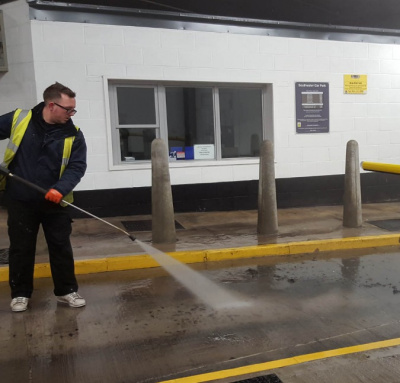
Multi-storey or underground car parks face challenges such as poor air flow, dust accumulation and fumes. These should be cleaned weekly or bi-weekly, with a focus on sweeping, pressure washing and surface checks. Ventilation areas may also need extra cleaning attention. Residential car parks often see lighter use, but they should still be cleaned monthly to avoid long-term build-up. This is especially true in blocks of flats or housing estates with shared spaces. Maintaining these areas shows respect for tenants and improves overall property value.
Car parks at venues such as football stadiums or music halls may not be used every day, but they can become extremely dirty after an event. Cleaning after each use is essential to prevent long-term staining and maintain a good public image.
Signs Your Car Park Needs More Frequent Cleaning
Even if you have a regular cleaning schedule, there may be times when the car park starts to look dirty faster than expected. These signs suggest that your current routine may not be enough and should be reviewed.
One of the most obvious signs is visible litter. If you see overflowing bins, food wrappers, cans or cigarette ends lying around, it is likely that cleaning is not happening often enough. This can lead to complaints from customers, staff or nearby residents. Oil stains and spill marks should also be taken seriously. These can lead to surface damage, slippery areas and costly repairs. If new marks appear often, cleaning should be more frequent or deeper.
Blocked drains or puddles that take too long to clear may mean that too much debris is collecting around the site. Wet conditions can cause algae and moss, which are not only unsightly but can become a slip hazard. If parking bays, road markings or signs are difficult to see, it could be a result of dirt or dust building up. This affects both safety and ease of use. Clear signs and visible lines help drivers move around the space with confidence.
In general, if staff or users are reporting that the car park is unpleasant or hard to use, then it is worth reviewing your cleaning plan to see what can be improved.
Building a Sustainable Long-Term Cleaning Plan
A successful car park cleaning plan should not only keep the area looking good today but also ensure it stays that way in the future. Creating a long-term plan that balances quality, cost and environmental impact is key for any commercial site.
Assess Your Site Regularly
Schedule inspections every few weeks to review the condition of the car park. Make notes about common problems, like where litter builds up or where stains appear most often. Look for patterns and trends that may help you predict future issues. Involve your maintenance team or site manager in these reviews. Their input will help you decide whether to increase cleaning, target certain areas more often, or update equipment and materials used.
Work With a Professional Cleaning Service
Using a trusted cleaning provider ensures that your car park receives the care it needs. Professionals have the correct tools, cleaning products and knowledge to deal with all surface types. They can provide pressure washing, drain cleaning, oil removal and more. Consider setting up a flexible contract that allows for adjustments based on seasonal or event-related needs. A good provider will work with you to plan ahead and keep the car park in top condition all year.
Some cleaning companies also offer advice on eco-friendly options and water-saving practices, helping you meet your environmental goals.
Encourage Daily Tidiness
Cleaning does not have to be limited to major sessions. You can keep things under control by encouraging small daily actions. For example, ask staff to report messes, replace bin bags regularly, and check entrance areas during shift changes. Installing more bins, better lighting, and clear signs can also help users take care of the space. When everyone plays a part, the car park stays cleaner for longer and full cleans become quicker and easier.
In this article: