
What Is Included in a Professional Car Park Cleaning Service?
Keeping a car park clean is more than just sweeping up litter. A professional car park cleaning service helps maintain the safety, appearance and hygiene of the space. This service can improve the experience for drivers and help prevent damage to vehicles and property.
Car parks often face high traffic and tough weather, which can quickly lead to dirt, oil spills, rubbish and even algae growth. A regular cleaning schedule helps deal with these problems and keeps the area looking tidy and well-kept. Dirty surfaces can become slippery and unsafe, especially in wet or icy conditions. Regular maintenance helps reduce the risk of accidents and ensures the area remains safe for both vehicles and pedestrians.
Keeping up with cleaning also shows that the space is cared for, which reflects well on the business or organisation responsible for the property. In this article, we will look at the most common tasks involved in car park cleaning, what equipment is used, how waste is handled and what extra services may be available as part of long-term care.
Common Cleaning Tasks and Site Preparations
Before the actual cleaning begins, professionals follow several steps to prepare the site and carry out the required tasks safely and effectively. Each part of this process is planned to reduce risks, improve cleaning outcomes and protect the space.
Site Inspection and Risk Assessment
Before starting any work, a team will usually visit the site to inspect the area. This helps them understand the layout, note any hazards and plan the cleaning around traffic times to avoid disruption. Any existing damage or problem areas can also be recorded during this step. A risk assessment is also carried out to check for safety concerns such as slippery surfaces, blocked drains or low visibility. The team may set up warning signs or temporary barriers to keep people and vehicles safe during cleaning. Lighting levels may also be checked to ensure good visibility for the team working at the site.
Litter Picking and Debris Removal
The first cleaning step is usually picking up rubbish and debris. This includes loose litter, leaves, broken glass or other items that might block drains or pose a hazard to drivers and pedestrians. Cleaning teams pay close attention to corners, edges and spaces around kerbs where rubbish tends to gather. All rubbish is bagged and removed from the site. In larger car parks, this may be done with the help of sweeping machines or vacuum tools to speed up the process. The goal is to ensure no waste is left behind that could affect later cleaning stages or cause damage to cleaning machines.
Surface Sweeping and Scrubbing
Once litter has been cleared, the next step is sweeping the surface. This may be done with mechanical sweepers or scrubbers, depending on the size of the car park and the type of surface. Machines with strong brushes and suction systems are often used to clean hard-to-reach spots or remove stubborn dirt. Scrubbing helps lift dirt, tyre marks, oil stains and other build-up from the ground. Special detergents may be used for stubborn marks, especially in areas with high traffic like entrances and exits. These detergents are usually selected for their safety on surfaces and for being gentle on the environment.
Drain Cleaning and Weed Control
Blocked drains can lead to standing water and damage over time. Part of the service may include checking and clearing surface drains of leaves, mud or rubbish to make sure they are working properly. This reduces the chance of water pooling or causing slip hazards in wet weather. If weeds are growing through cracks or edges, these are usually removed or treated with weed control products to prevent future growth. This helps keep the area neat and reduces trip hazards. Weeds can also damage surfaces if left untreated, making regular control an important part of cleaning.
Need assistance finding car park cleaning near you?
Get a QuoteEquipment and Techniques Used by Professional Contractors
Car park cleaning services use a range of tools and machines to carry out their work safely and efficiently. The choice of equipment depends on the size of the area and the type of surface. Some sites require large industrial machines, while others are better suited to smaller tools for tight or awkward spaces.
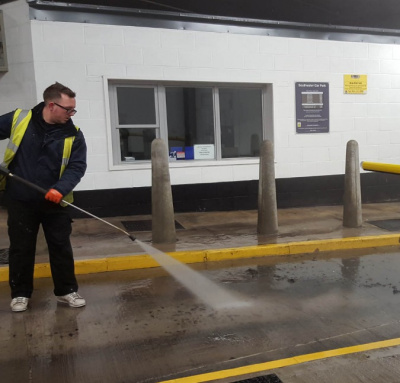
Ride-on sweepers and scrubbers are commonly used in larger car parks. These machines can clean wide areas quickly while collecting dirt and liquids. Smaller areas may require manual tools like brooms and pressure washers. In both cases, trained staff are needed to operate the machines correctly and safely.
To remove oil and grease stains, professionals often use high-pressure steam cleaning or surface scrubbers with eco-friendly detergents. These solutions help break down the dirt without damaging the surface or harming the environment. They are often non-toxic and safe to use near plants or drains.
For underground or multi-storey car parks, low-emission equipment may be used to avoid fumes building up in enclosed spaces. Water-fed pole systems and vacuums can also be used to clean walls or signage without the need for ladders. Some services also use quiet-running machines for work in residential or sensitive areas.
How Waste and Water Run-Off Are Handled Safely
Managing waste and water is a very important part of professional car park cleaning. If not handled correctly, run-off from cleaning activities can carry oil, dirt and chemicals into public drains or the environment. This can lead to pollution and legal problems if the right steps are not followed.
To prevent this, many cleaning companies use water recovery systems. These systems collect used water during pressure washing or scrubbing, filter it, and either dispose of it properly or reuse it. This helps reduce the impact on the environment and follows local waste regulations. Any remaining harmful materials can be treated or removed through specialised waste services.
All collected waste, including litter, sludge and oily water, is stored in suitable containers before being removed from the site. Licensed waste disposal services are then used to make sure all materials are handled legally and safely. This helps businesses avoid fines and keeps the community safer and cleaner.
In some areas, permission may be needed before cleaning starts, especially if the site is close to a waterway or uses large amounts of water. Professionals are aware of these rules and follow them to avoid fines or environmental damage. Using the right drainage covers and planning helps reduce the risk of pollution.
Optional Add-Ons and Long-Term Maintenance Plans
Many companies offer extra services that can be added to regular car park cleaning. These extras help improve the look, safety and lifespan of the space. Choosing a complete package gives property owners peace of mind and helps prevent larger problems down the line.
Line Marking and Sign Refresher Services
Clear markings are vital in a car park. Faded lines can lead to confusion and accidents. As part of a full maintenance plan, some services offer fresh line painting or touching up worn signs and arrows. This can include adding new signage or reflective paint to improve visibility at night. This improves traffic flow, pedestrian safety and helps with space management. Line marking can often be done after a deep clean so the surface is ready for painting. In some cases, new layouts can also be designed to make better use of available space.
Surface Repairs and Pothole Filling
Over time, wear and tear can lead to cracks, loose paving or potholes. Small repairs can often be done as part of a cleaning visit or booked separately with the same team. Repairing these early helps avoid injury claims and stops further damage from growing over time. Fixing damage early keeps the car park safe for everyone and helps avoid costly repairs in the future. A well-maintained surface also improves the appearance of the property and supports its long-term value.
Scheduled Maintenance Programmes
Instead of booking one-off cleans, many companies offer regular maintenance plans. These can be weekly, monthly or seasonal, depending on the site’s needs. Cleaning can be scheduled outside business hours to avoid disruption. Regular care ensures the car park stays in good condition all year round. It also helps businesses plan budgets better and spot problems early before they become serious. A planned approach is often more affordable than dealing with major issues as they arise.
In this article: