Jet Washing vs Sweeper Cleaning for Car Parks Which Is Better?
When it comes to car park cleaning, businesses often have to choose between two main methods: jet washing or sweeper cleaning.
Each method offers its own advantages depending on the surface, type of dirt, and cleaning goals. Some businesses may prefer one, while others could benefit from a combination of both. In this article, we look at how each method works, compare their effectiveness based on different situations, and help you understand which one might be right for your car park. Choosing the right cleaning approach helps maintain safety, improves appearance, and extends the life of your car park surface.
How Each Cleaning Method Works in Practice
Understanding how jet washing and sweeper cleaning work is important for making a smart decision about car park cleaning. Each technique has its own process, tools and results.
Jet Washing
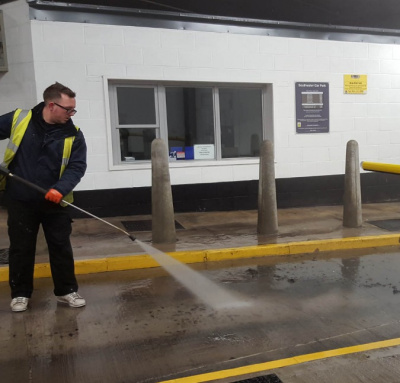
Jet washing, also known as pressure washing, involves using water sprayed at high pressure to remove stubborn dirt, stains, oil patches, moss, algae and even chewing gum from surfaces. The equipment uses a powerful motor to push water through a narrow nozzle, which allows it to lift grime off surfaces. Some machines also allow the use of cleaning solutions for even better results. Jet washing is highly effective on hard surfaces like concrete, brick and tarmac, especially where deep cleaning is needed. It is also useful for tackling areas that pose slip hazards, such as those with algae or spilt oil. It can also restore surfaces to a much newer-looking condition by removing layers of built-up dirt and pollution stains that sweepers cannot touch.
Sweeper Cleaning
Sweeper cleaning uses a machine fitted with rotating brushes, suction fans and waste tanks. These machines move over the surface to collect loose dirt, leaves, litter, sand and light debris. Sweepers are available in different sizes, from small walk-behind types to large ride-on or vehicle-mounted models, allowing cleaning teams to match the size of the equipment to the site. This method is ideal for regular cleaning and for keeping outdoor and multi-level car parks tidy without using water. Many sweepers are now battery-powered, offering quieter operation and fewer emissions. It is also useful for sites where using water is not allowed or not practical, such as those with limited drainage or colder climates where water might freeze.
When Is Each Method Typically Used?
Jet washing is best used for periodic deep cleans, especially after winter, following heavy use, or in response to specific problems like oil spills, slippery spots or graffiti. Sweeper cleaning is better suited for routine maintenance. It is often done daily or weekly in busy retail parks, hospitals, schools and transport hubs to keep the area free from litter and debris. Businesses that care about their public image will often use sweepers to ensure the car park looks neat and well cared for at all times.
Environmental Impact
Jet washing uses a significant amount of water, which can lead to wastewater run-off that needs proper handling to avoid pollution. Some systems come with water recovery features to reduce waste. Sweeper cleaning is usually more eco-friendly since it does not require water. It creates less run-off and helps maintain dry conditions, which can be safer for both drivers and pedestrians.
Need assistance finding car park cleaning near you?
Get a QuoteComparing Effectiveness by Surface Type and Dirt Level
The effectiveness of each cleaning method often depends on the surface material and the level or type of dirt present in the car park. What works well in one area may not be enough in another. Jet washing is especially effective on smooth, sealed surfaces such as tarmac or concrete. These materials can handle high-pressure water, and the method can clean deep into small cracks and pores where grime builds up. It is ideal for removing sticky or oily substances that cannot be swept away, such as chewing gum, oil drips from vehicles, graffiti and moss growing near shaded or damp areas.
In contrast, sweeper machines are best for cleaning dust, sand, paper, wrappers, leaves and general rubbish. These types of dirt tend to collect quickly in busy areas and need regular removal to keep the surface tidy and safe. Sweeping is also a good first step before jet washing, as it removes loose material that could clog drains or increase water usage during the pressure wash. If your car park is heavily soiled, with oil patches or built-up grime, jet washing is likely to be the better choice. If the main issue is day-to-day dirt and debris, sweeper cleaning may be sufficient. It is often useful to combine both methods, especially in large or mixed-use sites. Sweeping can be done regularly, while jet washing can be scheduled as a seasonal or occasional task.
Cost, Time and Practical Considerations for Businesses
When planning car park cleaning, businesses need to think about more than just the results. Cost, time, disruption and site access all influence which method will be most suitable. Sweeper cleaning is usually faster than jet washing, particularly for large areas. A large ride-on sweeper can clean several hundred square metres per hour, making it cost-effective for routine cleaning. Because it is quieter and cleaner, it can often be done during opening hours or during low-traffic times without causing much disturbance to customers or staff. This makes it suitable for retail parks and public sites.
Jet washing, on the other hand, can take longer. Setup time, access to water and safe drainage all need to be considered. It may also require cordoning off sections of the car park, which can temporarily reduce parking availability. While more expensive per session than sweeping, jet washing is more effective for deep cleaning and may reduce the number of cleanings needed throughout the year.
Costs for each method vary based on the area size, type of surface, access limitations and the level of cleaning required. Sweeping is often charged by the hour or visit, while jet washing is commonly priced per square metre or per job. Other factors to consider include weather conditions, customer footfall and environmental rules regarding water use and waste management. Planning cleaning during dry periods can improve efficiency and safety.
Choosing the Right Method or a Combination Approach
There is no one-size-fits-all solution when it comes to car park cleaning. The most effective approach will depend on the unique needs of your site, the type of surface, how often it is used and what level of cleanliness is expected.
Assessing Your Car Park's Needs
Before choosing a method, assess your car park’s daily usage. Do you have a high turnover of vehicles, lots of foot traffic, or regular issues with oil and grime? Are there trees nearby that drop leaves or pollen? Is the surface flat, sloped, smooth or textured? These factors will affect which cleaning method will be most effective and safe. If safety is a concern due to slippery spots or heavy staining, then jet washing should be included in your cleaning plan. If general upkeep and tidiness are your main goals, sweeper cleaning may be enough.
When to Use Both Methods Together
Many companies find that using both methods as part of a planned schedule brings the best results. Sweeping can be done weekly or monthly, and jet washing can be added quarterly or after seasonal changes. This balanced approach helps maintain surface quality, improves customer perception and ensures compliance with health and safety standards, especially in public spaces and retail locations. It also spreads costs across the year and reduces the chances of needing emergency cleaning services due to neglect or sudden build-up of dirt.
Getting Professional Advice
If you are unsure which method is best, a professional cleaning company can offer a site visit and provide tailored advice. They can assess surface condition, recommend the right machines and suggest how often cleaning should take place. Hiring experts also means you get the right insurance, trained staff and proper handling of wastewater, which are important if your site is in a built-up area or near drains.
In this article: