
What Types of Car Parks Need Specialist Cleaning Services?
Car parks vary greatly in size, design, and usage. Some are small and tucked behind buildings, while others are massive, multi-level structures that serve hundreds or even thousands of vehicles each day. All car parks, regardless of their type, are exposed to a range of environmental and usage-related issues that can lead to dirt, staining, and damage. From oil leaks and fuel stains to food litter and graffiti, these spaces can quickly become unsightly or even unsafe without proper care.
This is why car park cleaning is not just about sweeping and pressure washing. In many cases, specialist services are required to manage the unique challenges found in these environments.
Environments That Typically Require Specialist Cleaning
While general cleaning may be fine for basic surface needs, certain car park settings demand more advanced techniques and equipment. Factors like footfall, location, exposure to weather, and traffic levels all play a role in how quickly dirt builds up and how hard it is to remove. Specialist cleaning services are often needed to handle these spaces in a safe, thorough, and effective way.
Multi-storey Car Parks
Multi-storey car parks are commonly found in city centres, shopping centres, and transport hubs. These structures see a high number of vehicles on a daily basis, resulting in constant wear and tear. They often have tight turns, ramps, and ventilation challenges, which make cleaning harder than in open-air spaces. Oils and tyre marks are common problems, as are water stains from leaks in the ceiling and graffiti on walls. Specialist cleaning is essential for dealing with these issues and keeping the structure looking clean and safe.
Underground Car Parks
Underground car parks are enclosed, often dark, and usually suffer from poor ventilation. Moisture builds up due to rain carried in by vehicles or from drainage issues, leading to slippery surfaces and mould growth. Dust and exhaust fumes can also settle and cause air quality problems. These areas are also more likely to suffer from litter build-up in corners and hard-to-reach spots. Professional cleaning teams are needed to remove dirt properly without damaging the structure or affecting air flow systems.
Retail and Shopping Centres
Retail car parks are heavily used during business hours and weekends, with many short visits throughout the day. This leads to higher amounts of litter, from food packaging and drink containers to carrier bags and broken trolleys. Shopping centres also attract large numbers of pedestrians, which increases the risk of slips, trips, and falls due to spills or broken items. Regular and thorough cleaning is key to keeping the car park safe, tidy, and welcoming for customers.
Hospital and Healthcare Facilities
Hospital car parks are busy 24 hours a day and are used by patients, staff, emergency services, and visitors. Cleanliness is extremely important in these environments. Leaks from ambulances, patient transport vehicles, or dropped medical waste can create both safety hazards and hygiene risks. These spaces must be cleaned to very high standards, often with approved disinfectants. Specialist car park cleaning teams understand how to manage these risks and use safe methods that reduce harm to the environment while ensuring public safety.
Need assistance finding car park cleaning near you?
Get a QuoteWhy Certain Car Parks Need More Than Basic Cleaning
Basic cleaning such as sweeping or hosing down the surface may not be enough for many car parks. There are often layers of grime, chemical stains, or biological materials that cannot be removed with light cleaning efforts. Some car parks operate all day and night, leaving little time for cleaning during off-hours. This adds pressure to get the job done quickly and correctly using advanced tools.
Oily residues and fuel leaks, for example, not only look unpleasant but also erode surface materials like concrete and paint. If not cleaned with the right materials, these substances will leave long-lasting stains or safety hazards. Oil on the ground can create serious slip risks for people walking to or from their vehicles, especially during wet weather.
Weather also plays a major role in open car parks. Rain can bring in dirt, while snow and ice can melt and create pools of water. This moisture often leads to algae or moss forming on the ground, which again creates slipping risks. Pressure washing alone is not enough in these cases. Proper drainage checks and chemical treatments may be required.
Security is another concern. Dirty, poorly lit, and littered car parks can make people feel unsafe. They may also attract vandalism or anti-social behaviour. Keeping the space clean and orderly not only helps prevent crime but also encourages people to use the facility with confidence.
Industry Examples with Unique Cleaning Requirements
Each type of business or organisation that uses a car park has its own unique needs. These needs affect how often cleaning is required, what tools are used, and how waste is managed during the process. Let us take a look at some specific industries where specialist car park cleaning is not just useful, but often required.
Airports: Airport car parks are vast, with different areas for short-stay, long-stay, staff, and business parking. Cleaning must be done at night or in low-traffic periods to avoid inconvenience. Oil and rubber debris from taxis and shuttle buses can build up fast, requiring regular heavy-duty cleaning.
Stadiums and Event Venues: Event car parks face an intense amount of use over short periods. After concerts, sports games, or exhibitions, they are often filled with discarded food containers, drinks, glass, and even clothing. Clean-up must be fast, often happening overnight, and teams need to be ready for anything.
Supermarkets: Food spills, trolley damage, and vehicle leaks are all common in supermarket car parks. These are high-turnover areas where customer experience is closely linked to cleanliness. Cleaning crews may be required to work early in the morning or late at night to avoid customer disruption.
Residential Complexes: These car parks are generally quieter but still require regular attention. Residents expect a clean, safe environment and may report even small issues like oil marks or graffiti. Cleaning here should be low-noise and use products that are safe for pets and young children.
Choosing the Right Contractor for Complex Car Parks
Hiring the right team to clean your car park is important, especially if the area is used heavily or has structural or health concerns. Not every cleaning company has the knowledge, tools, or experience to handle the job properly. Choosing a contractor who understands these environments can help you avoid future repairs, reduce safety risks, and improve the appearance of your site.
Look for Proven Experience
One of the first things to check is whether the contractor has worked on similar car parks before. Experience with retail centres, hospitals, or multi-level parking garages shows they know how to manage time limits, safety needs, and unusual cleaning challenges. Ask for case studies or references that show their past results and satisfaction from other clients.
Check for Proper Tools and Techniques
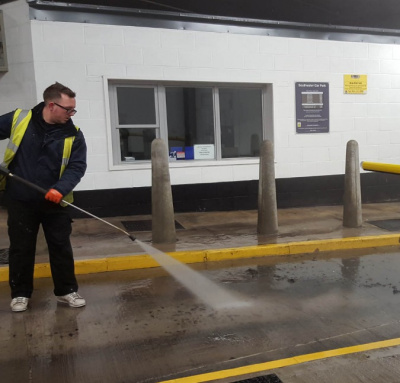
Specialist cleaning should involve machines like ride-on sweepers, high-pressure washers with water recovery, and eco-friendly degreasers. A contractor who brings the right tools is more likely to complete the job thoroughly and safely. They should also be aware of local drainage laws and avoid letting cleaning waste enter public systems without treatment.
Ensure Health and Safety Compliance
Car park cleaning often takes place in areas that are open to the public or staff. The contractor should follow clear safety procedures, such as using signs, cordons, and safety gear. They should also be trained in handling chemical cleaners and working in enclosed or poorly lit areas where extra care is needed.
In this article: