
How Much Do Retail and Business Park Cleaning Services Cost?
Retail and Business Park Cleaning is vital for maintaining a safe and professional setting. A clean environment creates a strong impression on visitors, helps staff feel comfortable, and reassures customers that they are in a well-managed place. Whether it is a small high-street shop, a supermarket, or a business park with offices and outdoor areas, cleaning forms part of everyday operations that cannot be ignored.
One of the most common questions asked by business owners and property managers is how much these cleaning services cost. Prices differ significantly, and this can be confusing when comparing providers. The cost depends on several aspects such as the size of the building, the type of cleaning needed, and the frequency of visits. Extra factors like the quality of the provider, the cleaning methods used, and your location also have a major influence.
This guide will break down the main factors that affect costs, highlight typical price ranges, explain why providers often charge different amounts, and show how you can get the best value from your cleaning budget. By understanding these points, you will be in a better position to select a cleaning service that fits your needs and avoids overspending.
Main Factors That Affect Cleaning Costs
Several important factors shape the cost of Retail and Business Park Cleaning. Each one plays a part in the overall fee you will be asked to pay. By knowing how they work, you can better understand quotes and choose the right service for your workplace.
Size and Layout of the Space
The bigger the premises, the more it costs to clean. Supermarkets, multi-floor offices, or business parks with several units need more time, more staff, and more products. A small retail shop might only need one cleaner for an hour, but a large office building may require a team working all day.
Layout also matters. Open-plan areas with smooth floors are faster to clean than sites with many rooms, staircases, or narrow corridors. Business parks often combine offices with shared facilities like kitchens and toilets, as well as outdoor areas. Each area needs a different approach, which increases both the time and the cost.
Frequency of Cleaning
How often cleaning is carried out has a direct effect on cost. Daily cleaning is common in busy retail units or offices where hygiene and appearance are a priority. These contracts are more expensive overall, but keep standards consistently high. Weekly or fortnightly visits are cheaper but can take longer because dirt builds up between sessions.
Many businesses find a mixed approach works best. Light daily cleaning, such as emptying bins and wiping surfaces, can be paired with a weekly deep clean that focuses on more demanding tasks. This balance can reduce costs while keeping standards at the right level.
Type of Cleaning Required
Standard cleaning jobs like vacuuming, mopping, and dusting are usually included in all packages. However, the moment specialist work is needed, prices increase. Examples include polishing floors, sanitising high-contact surfaces, and deep cleaning kitchens or toilets. Outdoor cleaning, such as pressure washing, litter removal, or maintaining pathways, also adds to the cost.
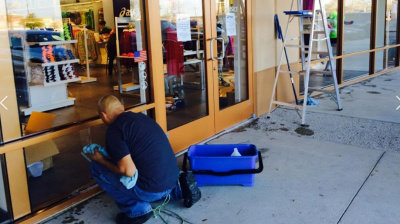
Every premises is different, and some require more detailed work. For example, a supermarket may need regular fridge and display cleaning, while a business park might need regular window cleaning to keep its appearance professional. These added tasks will push the overall cost higher.
Experience and Quality of the Provider
Another key factor is the provider you choose. Established cleaning companies often charge more, but they usually offer trained staff, reliable scheduling, and better insurance cover. Their services are consistent and often come with guarantees. Smaller or newer providers may have lower prices, which can be attractive, but they may lack resources or experience.
In some cases, the cheaper option can end up costing more in the long run if the cleaning is not carried out properly or if standards are not met. Paying slightly more for a trusted and reliable provider can be a better investment.
Need assistance finding retail and business park cleaning near you?
Get a QuoteTypical Price Ranges for Cleaning Services
Understanding price ranges helps set a realistic budget. While costs vary by location and service level, there are some average figures to guide you.
For small shops or single-floor offices, hourly rates are usually between £15 and £25 per cleaner. This covers basic cleaning tasks. For larger spaces such as supermarkets, warehouses, or multi-floor offices, the hourly rate often increases to between £30 and £50. These jobs are more complex and require more resources.
Fixed prices are also common. Carpet cleaning can range from £70 to £150 depending on size, while professional window cleaning may start at £50 and go over £200 for big sites. Deep cleans, which involve more labour and specialist equipment, are priced higher. These might be carried out a few times per year alongside regular cleaning.
Monthly contracts are a popular choice for businesses that want predictable costs. A medium-sized office might pay between £400 and £800 per month, depending on the number of visits. A large business park with several units could see monthly costs in the thousands. These contracts usually include set schedules and agreed services, which makes planning easier.
Out-of-hours work also increases costs. Evening or weekend cleaning is often charged at a higher rate. Emergency call-outs, such as after a flood or an accident, also come at a premium. Businesses should allow some flexibility in their budget for these situations.
Why Cleaning Costs Vary Between Providers
It is common to receive very different quotes from different providers, even for the same space. This happens because each provider calculates costs differently. Some base their price on time, others on tasks, and some use a mix of both.
Staff numbers are one reason for variation. A company may offer a low hourly rate but only send one cleaner, meaning the job takes longer. Another provider may charge more per hour but send a team, completing the work faster with less disruption. In practice, the final cost may be similar.
Equipment also makes a difference. Companies with modern machines can work faster and deliver better results. Providers that use eco-friendly products or advanced disinfecting tools often charge more to cover their costs. Staff training also plays a role, as well-trained cleaners usually work more effectively.
Location influences price, too. Services in cities are often more expensive because of higher wages, travel, and overheads. In smaller towns, prices may be lower. Travel costs can be added if the provider needs to bring staff or equipment from a distance.
When comparing providers, price alone should not be the only factor. Reliability, quality, and trust are equally important. A slightly higher cost may be worth paying for peace of mind and consistent standards.
Getting the Best Value from Your Cleaning Budget
Cleaning services are necessary, but you can still make sure you are getting good value. Careful planning and comparison will help you make the most of your budget without lowering standards.
Compare Quotes Fairly
Always check what is included in each quote. A lower hourly rate may only cover basic jobs, while a slightly higher rate may include extras such as sanitising or rubbish removal. Be aware of hidden fees for travel, supplies, or weekend work. Look for clear quotes that show exactly what is covered.
Decide on the Right Frequency
Not all premises need daily cleaning. Busy shops and shared offices may need it, but smaller offices may be fine with two or three visits each week. Choosing the right frequency ensures you are not paying for unnecessary services while keeping your site safe and welcoming.
Plan for Long-Term Savings
Long-term contracts usually reduce the average cost compared to one-off bookings. They also give predictable monthly expenses and ensure regular cleaning is carried out without interruption. Regular cleaning protects carpets, flooring, and fixtures from damage, saving money on repairs in the future.
Some providers also offer combined packages that include small maintenance checks. This can reduce the need for separate call-outs and add value to the service. By planning, you can make your cleaning budget go further and avoid unexpected costs.
In this article: