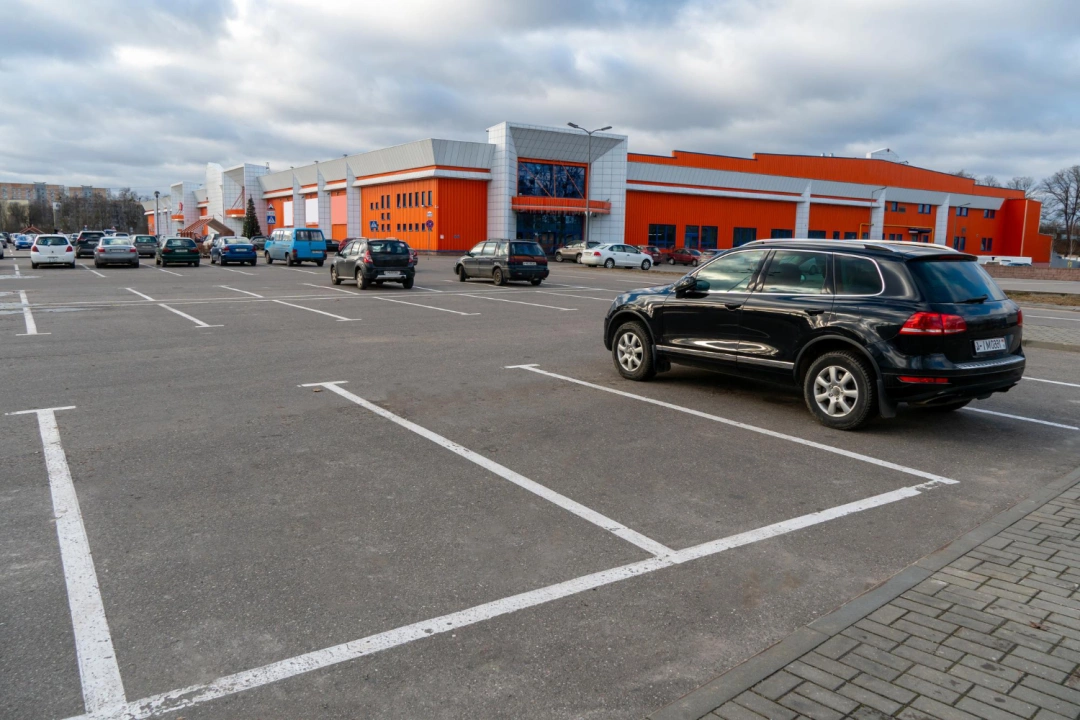
Why Professional Cleaning Is Essential for Retail and Business Parks
Retail and business parks bring together shops, offices, gyms, restaurants and services in one place. These sites are busy, with people arriving all day for work, shopping and leisure. With so much activity, dust, litter and spills build up quickly, which is why a planned approach to cleaning is vital.
Professional cleaning keeps these spaces safe, attractive and ready for trade. A clean site makes a strong first impression, supports public health and helps tenants focus on serving their customers. It also protects the value of buildings, paths and outdoor areas by preventing wear and damage.
When cleaning is organised and consistent, everyone benefits. Visitors feel at ease, staff can do their jobs, and the whole site runs more smoothly. The goal is simple. Keep the park tidy, hygienic and welcoming so people want to come back again.
This article explains why expert help matters, the risks of letting standards slip, and how a tailored plan can meet the needs of large, complex sites. It also shows what to look for when choosing a partner, so decision makers can act with confidence.
The Key Benefits of Professional Cleaning
Cleaning is about more than shiny floors. It affects how people feel, how they move around and how long facilities last. The right team and tools make daily life easier for site managers, tenants and visitors.
Improved First Impressions
People judge a place within seconds. Clear signs, tidy paths and fresh entrances tell visitors that care has been taken. If bins are empty and glass is streak-free, the mood is positive from the start. Customers are more likely to stay longer, spend more and return.
Good presentation also supports brands on the site. Retailers and office tenants want their units to look the part. Clean shared areas reflect well on every business and help leasing teams show the park at its best during viewings.
Health and Safety Standards
High footfall means germs spread fast. Professional teams use safe products and clear routines to sanitise touch points such as doors, rails, tills and lifts. Toilet areas are checked often, with logs kept for proof of care. Fresh air and clean surfaces help reduce sickness and support wellbeing.
Safety matters too. Spills, litter and loose debris can cause slips or trips. A planned cleaning rota, with fast response to hazards, lowers the chance of accidents. Good lighting, clean stairs and clear fire routes make movement easier for everyone.
Extended Lifespan of Facilities
Dirt is not just a visual problem. Grit wears down floors, stains set into porous stone, and neglected gutters overflow and damage walls. Regular sweeping, mopping and machine scrubbing protect finishes and keep costs under control. Window and facade cleaning preserves frames and keeps glass clear.
Outside, pressure washing removes algae and oil from pavements and car parks. This improves grip and prevents cracks from getting worse. A small routine task today often avoids a large repair tomorrow.
Support for Business Success
People spend more time in places that feel clean, bright and calm. That leads to better sales for shops and a smoother day for office staff. Tenants value steady standards, which support renewals and occupancy. For site owners, that stability adds up to reliable income and a stronger reputation.
Professional cleaners also work around trading hours. Early morning, evening and overnight tasks reduce disruption, so teams can clean hard without getting in the way. This flexible approach keeps the site ready for business every day.
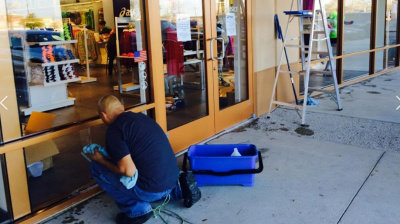
Need assistance finding retail and business park cleaning near you?
Get a QuoteThe Risks of Poor Cleaning Standards
Cutting back on cleaning may look like a saving, but the hidden costs appear quickly. The first risk is reputational. Overflowing bins, marked floors and dusty shelves make a space feel uncared for. Visitors leave sooner and tell others to avoid the area. Tenants receive more complaints, and staff morale drops.
There are health risks as well. In busy sites, germs and pests spread where food, waste and people meet. If toilets, food courts and bins are not serviced often, odours grow and hygiene declines. This raises the chance of illness, which can lead to staff absences, temporary closures and damage to public trust.
Poor standards also raise safety concerns. Spilled drinks, rainwater at entrances and stray packaging on floors lead to slips and trips. If records are weak, it becomes harder to defend claims. Insurance costs may rise, and budgets are squeezed by avoidable payouts.
Finally, assets wear out faster. Grit scratches polished floors. Algae makes paving slippery and weak. Blocked drains and gutters lead to leaks inside units. What starts as a small stain or loose wrapper can become a cracked tile, a damaged ceiling or a rusted sign. These repairs cost far more than routine upkeep.
Tailored Cleaning Solutions for Large Sites
Every retail and business park is different. Layouts vary, tenant mixes change, and visitor numbers rise and fall with seasons and events. A single checklist is not enough. The best results come from a plan that fits the site, with clear zones, methods and timings.
Start with a survey. Map out entrances, walkways, lifts and stairwells. Note food areas, loading bays and bin stores. Include car parks, service roads, bike racks and green spaces. This map becomes the basis of routes, frequencies and skills. It also shows where specialist tools are needed, such as high-reach window kits or ride-on scrubber dryers.
Next, match the plan to trading patterns. Early morning litter picks prepare the grounds before opening. Daytime touch point cleaning keeps hygiene high when footfall peaks. Evening deep cleans reset floors and toilets for the next day. For office blocks, daily desk and kitchen routines sit alongside periodic tasks like carpet extraction and air vent dusting.
Outdoor care needs structure, too. Regular sweeping reduces slip risks. Pressure washing clears oil in car parks. Signage, benches and handrails should be wiped so they do not collect grime. In winter, gritting routes and stock levels are checked so ice can be treated before crowds arrive.
Choosing the Right Cleaning Partner
Selecting a provider is a major decision. The right partner brings steady standards, clear reporting and a culture of care. A short list of practical checks helps managers choose with confidence and avoid surprises later on.
Experience and Proven Systems
Look for a partner with experience on large, mixed-use sites. Ask how they plan routes, train staff, and supervise quality. Good providers use simple, visible systems. Examples include colour-coded cloths to avoid cross-contamination, digital task lists and sign-off logs for toilets and lobbies.
Request evidence of results. Case summaries, site references and performance reports show how the team handles peaks, events and seasonal change. Providers who measure outcomes, not just tasks, are more likely to keep standards high.
Flexibility, Safety and Compliance
Large sites need flexible hours and safe methods. Check that the provider can cover early starts, late finishes and quick responses. Ask to see risk assessments, method statements and training records. Workers should know how to handle chemicals, lift safely and use machines without risk.
Compliance is not optional. Expect clear policies on safeguarding, data protection and environmental care. Waste should be sorted correctly, with evidence of recycling where possible. Responsible choices protect people and reduce the impact on the local area.
Communication and Value
Good communication keeps everything on track. Agree on how issues are raised and closed, who attends meetings and what goes into monthly reports. Photos, action lists and trend data make problems easier to spot and fix. This shared view builds trust and speeds up decisions.
Price matters, but value is broader than the headline figure. Consider staff retention, supervision levels and the quality of tools and materials. A reliable team that prevents damage and reduces complaints often saves more than a cheaper, inconsistent option.
In this article: