
How Seasonal Changes Impact Cleaning Needs in Retail and Business Parks
Retail and business parks are busy spaces that attract workers, shoppers, and visitors every day. Cleanliness in these environments is about more than keeping areas looking neat. It influences how safe people feel, how long they stay, and whether they choose to return. A well-maintained environment reflects positively on every business located within the park and supports employee well-being at the same time.
Different times of year bring different cleaning challenges. Weather, foot traffic, and natural changes such as pollen in spring or leaves in autumn all affect how sites must be managed. Cleaning routines that work in one season may be completely unsuitable for another. For this reason, retail and business parks need flexible plans that adapt to conditions as they change.
This article looks at the main seasonal cleaning challenges, how weather affects safety, the cost and operational impact of cleaning tasks, and the most effective ways businesses can prepare for these changes. By planning carefully, retail and business parks can protect their image, support staff, and provide visitors with a safe and pleasant experience all year round.
Seasonal Cleaning Challenges in Retail and Business Parks
Every season presents unique cleaning issues. Some are caused directly by weather, while others are linked to changing customer behaviour. Cleaning teams need to anticipate these changes and adapt their approach to keep standards high. Below are the key challenges that arise throughout the year.
Winter: Managing Snow, Ice, and Salt Residue
Winter is one of the toughest times of year for cleaning teams. Snow and ice create slip hazards, especially in car parks, steps, and walkways. To reduce risks, grit and salt are spread on surfaces, but this leads to further problems. Salt can damage floors, leave stains, and create residue that requires specialist cleaning. Indoors, grit and moisture are brought in on shoes, making carpets and tiles dirty more quickly.
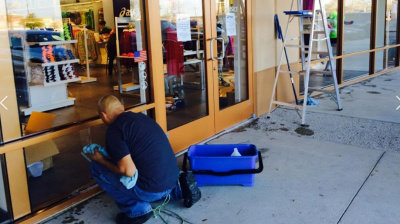
Windows also become dirtier in winter due to snow, rain, and salt spray, while heating systems may circulate more dust. To keep air quality high, filters and vents need regular checks. Without this care, both staff and customers may notice a drop in comfort, which can affect their overall experience.
Spring: Addressing Pollen, Dust, and Increased Footfall
Spring is often seen as a fresh and lively season, but it creates several cleaning challenges. Pollen levels rise, which can affect people with allergies and also settle on surfaces and windows. Ventilation systems and air filters must be cleaned more often to reduce the spread of allergens. At the same time, outdoor landscaping begins, and this increases the amount of dust and soil that can be carried indoors.
Footfall also tends to rise during spring as people spend more time outdoors. Retail and business parks often see more visitors at weekends and during school holidays. As a result, toilets, food courts, and seating areas require extra attention. Without stronger cleaning routines, these busy spaces can quickly appear untidy and unhygienic.
Summer: Heat, Litter, and Outdoor Maintenance
In summer, long days and warmer weather bring heavier use of outdoor spaces. Benches, picnic spots, and green areas attract more visitors, which leads to more litter. Bins fill up quickly, and in hot conditions they can produce strong odours if not emptied often. This makes waste management one of the biggest cleaning challenges during this season.
Heat also affects surfaces. Pavements and outdoor seating can collect dust and stains that spoil the appearance of the site. Cleaning teams need to carry out regular sweeping and pressure washing to maintain standards. Air conditioning systems are another focus, as increased use causes filters to clog more quickly. Without proper cleaning, these systems can spread dust and reduce energy efficiency.
Autumn: Leaf Build-Up and Wet Weather Risks
Autumn brings heavy leaf fall, damp weather, and shorter days. Wet leaves quickly become slippery, creating hazards for both cars and pedestrians. If not removed, they also block drains and gutters, causing water to build up in car parks and paths. This not only creates risks but can also damage infrastructure if left unchecked.
Indoors, mud and water are often carried in on shoes, leaving floors dirty and increasing
Need assistance finding retail and business park cleaning near you?
Get a QuoteThe Effect of Weather on Customer and Employee Safety
Weather has a direct impact on safety in retail and business parks. Rain, ice, and snow make surfaces slippery, while heat can cause hygiene concerns. Cleaning teams are at the centre of efforts to reduce these risks. They respond to hazards quickly, ensuring both staff and customers can move around safely.
One of the most common risks is wet flooring. When it rains, water is carried indoors on shoes and creates slipping hazards. If cleaning staff do not respond promptly with mopping, drying, and clear warning signs, accidents are more likely to happen. Outside, car parks and walkways require constant checks during winter to make sure water does not freeze or turn into mud.
High temperatures in summer also create risks. Overflowing bins attract pests and generate unpleasant smells. In areas with food outlets, poor cleaning can even lead to hygiene breaches that put public health at risk. By staying ahead of these issues, cleaning teams help preserve both safety and customer confidence.
Employee well-being is also tied to cleanliness. Staff who work in safe, hygienic environments are more comfortable and productive. Seasonal cleaning therefore supports not just visitors but the overall workforce, making it a key part of business success.
Operational and Cost Implications of Seasonal Cleaning
Adapting cleaning to the seasons has direct effects on costs and daily operations. Winter requires more resources for grit, mats, and snow clearance, while summer increases the need for waste collection and outdoor cleaning. Each season brings different demands, and failing to plan for them can lead to unexpected expenses.
Preventative cleaning saves money in the long term. For example, clearing leaves in autumn avoids drain blockages that could cause flooding and costly repairs. Similarly, managing grit indoors in winter prevents floor damage. These preventative measures require investment but reduce the risk of larger bills later.
Labour costs also fluctuate throughout the year. Peak shopping periods such as Christmas or spring sales bring higher visitor numbers, which means more staff hours are needed to keep up with cleaning. Without careful scheduling, businesses may face increased costs or stretched teams unable to maintain standards.
By viewing cleaning as part of the wider operational strategy, retail and business parks can manage budgets more effectively. Allocating resources based on seasonal patterns allows for smoother operations and fewer unexpected problems.
Best Approaches to Seasonal Cleaning for Retail and Business Parks
Seasonal cleaning challenges can be managed effectively with the right strategies. Retail and business parks that prepare in advance and stay flexible are best placed to keep their environments safe, clean, and welcoming. The following approaches are particularly effective.
Regular Seasonal Assessments
Carrying out checks before each season helps identify areas that will need the most attention. Winter assessments may focus on gritting supplies and entrance mats, while summer reviews could highlight bin capacity and outdoor seating. These checks allow cleaning teams to prepare in advance and give managers the information they need to budget properly.
Flexible Cleaning Schedules
Conditions can change quickly, so cleaning schedules must adapt. More checks may be needed after heavy rainfall, or extra staff may be required during holiday periods when visitor numbers rise. Flexibility ensures that standards remain high, no matter the circumstances. Strong communication between staff and managers supports this adaptable approach.
Investing in Training and Equipment
Well-trained staff using modern equipment can handle seasonal challenges more effectively. Machines like outdoor sweepers, floor scrubbers, and high-powered vacuums save time and produce better results. Training ensures staff can use these tools safely while also following correct procedures for hygiene and safety. Investment in these areas improves results and reduces long-term costs.
By combining seasonal planning, flexible routines, and well-supported staff, retail and business parks can maintain high standards all year round. Customers enjoy a more pleasant experience, employees benefit from safer workplaces, and businesses save money through efficient and preventative cleaning practices.
In this article: