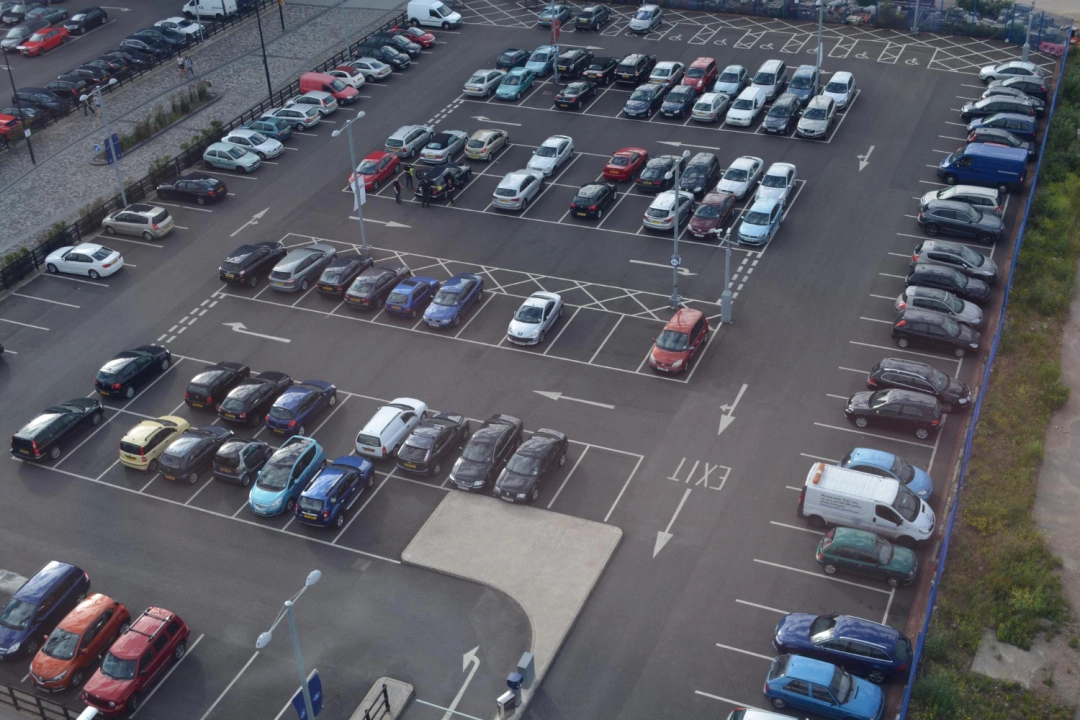
The Hidden Costs of Neglecting Cleaning in Business Parks
Many businesses treat cleaning as a background activity that can be managed with little thought. While this view might appear cost-saving in the short term, the truth is that failing to keep retail and business parks clean creates a chain of hidden costs. These costs do not only relate to appearance but also impact safety, staff wellbeing, customer confidence, and the long-term financial future of the organisation.
When cleaning tasks are delayed or ignored, the consequences are not always obvious straight away. At first, a little dust, clutter, or untended space may seem harmless. Yet small oversights gradually build into much larger problems. Over time, these problems reduce efficiency, create legal challenges, and harm the company’s reputation. By understanding the real costs of neglecting cleaning, businesses can make better choices that protect both people and profits.
Retail and business parks are complex sites with shared areas, heavy foot traffic, and many different types of spaces. The range of facilities includes car parks, green spaces, pavements, entrances, office units, and retail outlets. Every one of these areas requires regular care to stay safe and presentable. If cleaning is overlooked in even a single area, the whole site can quickly suffer, and the negative effects spread far beyond appearance.
The Main Risks of Poor Cleaning Practices
Neglecting cleaning is not just about untidy surroundings. It opens the door to risks that can harm employees, visitors, the environment, and the wider financial health of a business park. Below are some of the key issues that arise when cleaning is not taken seriously.
Health and Safety Concerns
The most serious impact of poor cleaning is the danger it creates for health and safety. Business parks often have large open spaces, walkways, and communal areas where accidents can easily happen. Spills, litter, or uneven flooring hidden beneath dirt or debris increase the likelihood of slips and trips. Staff or visitors injured in such incidents may require time off work or medical care, creating direct costs for businesses.
Neglected spaces also encourage bacteria, mould, and pests. Shared kitchens, toilets, and offices that are not cleaned properly become hotspots for illness. A single outbreak of flu or food poisoning can spread quickly, leading to lost productivity and higher absence rates. These hidden costs soon outweigh any savings made by cutting cleaning budgets.
Negative Customer Impressions
First impressions are powerful, especially in retail settings where customer choice is wide. Visitors arriving at a business park notice the cleanliness of the car park, entrance, and shared areas before they even step inside a shop or office. Overflowing bins, dirty windows, or untended walkways create an instant negative image. Customers may assume that if the environment is not cared for, the service or products will also lack quality.
For retail tenants, these poor impressions can directly reduce sales. Shoppers who feel uncomfortable in unclean surroundings may cut visits short or avoid returning altogether. Over time, this weakens the reputation of the entire park and makes it harder to attract new tenants.
Damage to the Environment
Business parks are often close to residential areas or natural spaces, which means poor cleaning can have environmental effects. Rubbish left in open areas can be blown into streets, waterways, or green fields. Plastic waste and food scraps attract wildlife and contribute to pollution. Communities expect companies to act responsibly towards the environment, and failure to manage waste can bring criticism or fines.
Increased Maintenance Problems
Neglecting cleaning also creates practical maintenance issues. Dirt, leaves, and litter can block drains, causing flooding during heavy rain. Surfaces left dirty for long periods may suffer staining, corrosion, or structural damage. Buildings surrounded by waste are also more attractive to pests, which can cause further harm by nesting or chewing materials.
All of these issues lead to higher repair bills in the future. What might have been solved with a quick clean-up becomes a major expense requiring contractors, equipment, and downtime.
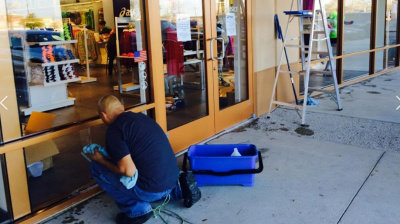
Need assistance finding retail and business park cleaning near you?
Get a QuoteHow Neglect Affects Daily Operations
Daily activities within retail and business parks depend on smooth and safe operations. When cleaning is neglected, everyday tasks become more difficult, less efficient, and more stressful for staff. Employees are less productive when they feel uncomfortable or unsafe in their surroundings. A cluttered or dirty workplace distracts staff, reduces morale, and creates extra tasks that take them away from their main responsibilities.
For customers and visitors, even small signs of neglect can reduce confidence. A sticky floor, unpleasant smell, or untidy entrance leaves them questioning the professionalism of the business. In retail spaces, this can directly lower sales as shoppers cut their visits short. For office spaces, dirty surroundings can weaken client trust during meetings and affect long-term partnerships.
Operational problems also become more common. Blocked entrances, untidy delivery areas, or overflowing bins can delay staff, suppliers, or customers. Pests drawn by poor waste management may require emergency pest control, disrupting services for days. These daily interruptions make it harder for companies to meet targets, provide quality service, and maintain strong relationships with clients or customers.
Over time, these small daily issues build into a culture of inefficiency. Staff lose pride in their workplace, absenteeism rises, and customers find alternatives that offer a more pleasant environment. The cost of lost time and declining loyalty far outweighs the short-term savings made by cutting cleaning services.
Long-Term Financial and Legal Consequences
While the daily effects of poor cleaning are damaging, the long-term financial and legal consequences are even more serious. Businesses that continue to ignore cleaning standards face costs that can threaten their survival. These costs often arrive suddenly and are far greater than the expense of regular cleaning.
Financially, neglected cleaning leads to higher repair and replacement costs. Structural damage, pest infestations, and environmental fines all add up. Insurance premiums may rise if a site is considered high risk due to repeated accidents or damage. Investors and partners may also lose confidence, making it harder to secure future funding or development opportunities.
Legally, the risks are just as significant. Health and safety regulations require businesses to maintain safe environments for staff and visitors. A single accident caused by a neglected area can result in legal claims for compensation, regulatory fines, and damage to reputation. In some industries, failing to meet hygiene standards may even lead to forced closure until problems are corrected.
Once a company gains a reputation for poor maintenance and safety, it can be difficult to recover. Tenants may choose to leave, and new businesses may avoid leasing space. The wider community may also view the park as poorly managed, reducing support for future growth. Over time, the property value of the entire site may decline, creating lasting financial harm.
Smarter Investments That Prevent Hidden Costs
The good news is that businesses can avoid these hidden costs by making smarter investments in cleaning and maintenance. By treating cleaning as a vital part of operations rather than an optional expense, companies can protect their staff, customers, and long-term financial health.
Regular Professional Cleaning Services
Professional cleaning teams provide consistency and expertise. They know how to handle different areas, from large car parks to shared offices. Scheduled cleaning keeps sites safe and attractive, reducing accidents, illness, and structural damage. This investment creates a positive cycle where clean surroundings improve morale, customer confidence, and reputation.
Focus on Waste Management
Effective waste management prevents many of the problems linked to neglect. Adequate bins, recycling systems, and timely collection keep business parks free of clutter and pests. Clear policies also show environmental responsibility, which is increasingly valued by both customers and local communities.
Adopting Preventive Maintenance
Combining cleaning with regular checks of facilities ensures that problems are identified before they grow. Clear walkways, unblocked drains, and well-kept surfaces last longer and require fewer expensive repairs. Preventive maintenance saves money, reduces disruption, and extends the life of shared spaces and buildings.
Ultimately, cleaning should be recognised as an essential investment rather than a background cost. By prioritising regular cleaning, proper waste management, and preventive maintenance, businesses can avoid the hidden costs of neglect. The result is a safer, healthier, and more welcoming environment that benefits staff, customers, and the wider community for years to come.
In this article: